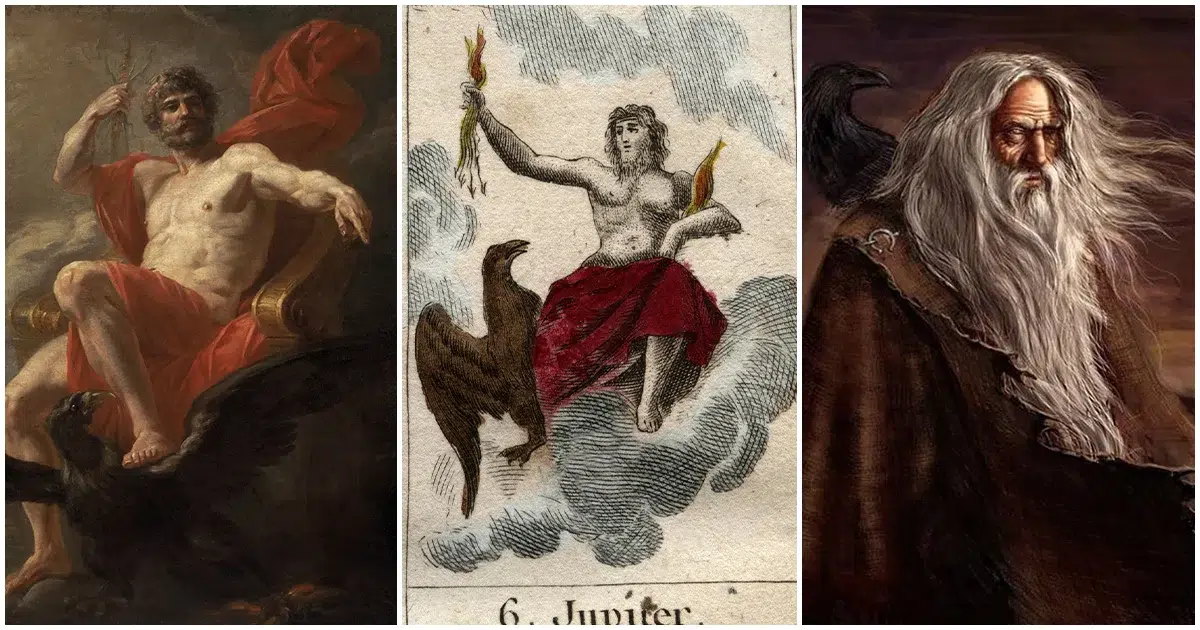
There is a family resemblance running through the gods of Greece, Rome, India, and the Germanic world. It is not an accident. Long before Zeus hurled a thunderbolt on a vase or Jupiter appeared in a triumphal statue, poets in an earlier language sang about a Sky Father, a storm wielding champion, radiant twins on fast horses, and a dawn goddess who opened the day. Those singers spoke a language linguists call Proto-Indo-European, often shortened to PIE. No one wrote their myths down, yet the stories echo across distant cultures in matching names, matching roles, and matching plot pieces. If we read carefully, we can sketch a root story and watch it branch into Zeus, Jupiter, Odin, Indra, Thor, the Dioscuri, the Ashvins, and more.
How we reconstruct a myth that no one wrote
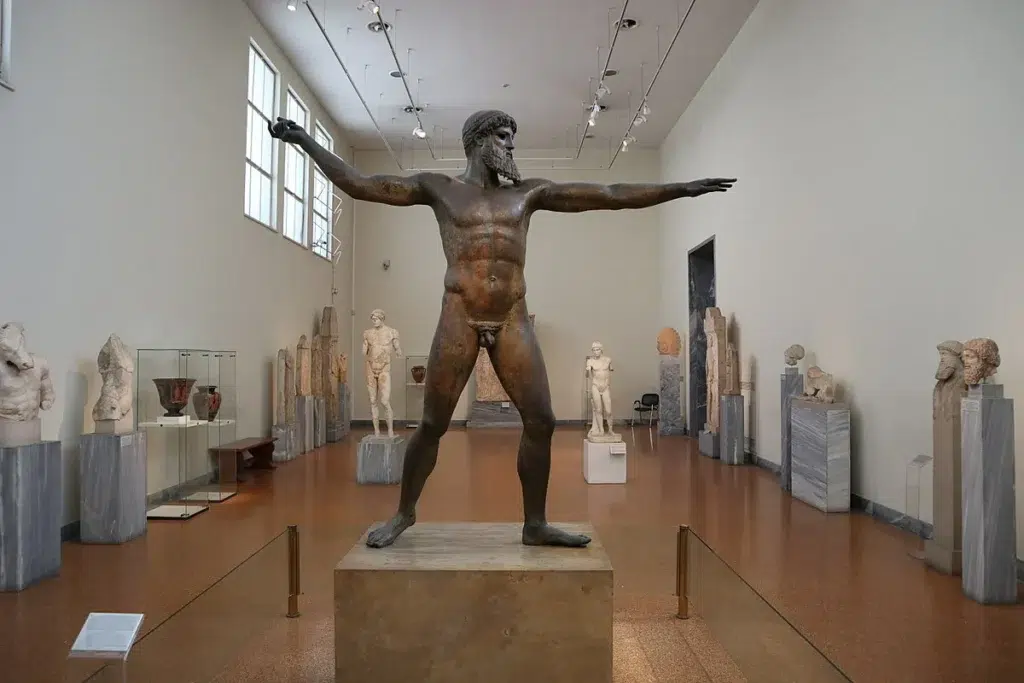
The comparative method that rebuilt the PIE language also helps with PIE religion. If related cultures keep a cluster of ideas that are too specific to be coincidence, and if those ideas match in name and function, then the safest bet is inheritance from an earlier tradition. Language gives the first clues. Zeus lines up with Latin Diespiter or Jupiter, and both line up with a Vedic name, Dyaus. All three point back to a form linguists write as *Dyēus ph2tēr, literally Sky Father. Add repeating roles and scenes and you get more than a shared word. You get a shared cast.
This does not mean every later god is a carbon copy. When a culture shifts from herding to city life, the Sky Father might slide from first rank to ceremonial fatherhood. When a culture leans into war leadership or ecstatic poetry, a god like Odin may take on traits that sit beside the old sky role rather than inside it. The point is not to flatten Zeus, Odin, and Jupiter into one figure. The point is to see the root that feeds them all.
The Sky Father and the Earth Mother
The simplest piece of the root story is a pair. A bright day sky who is also father, and an earth who is mother. The names change from place to place, but the pairing is stubborn. He is the vault that witnesses oaths and hears prayers, a god of open air and legal truth. She is ground, fertility, boundary, and burial place. In the Greek world the pair becomes Zeus and Gaia in a mythic genealogy, and Zeus’s role as sky and law remains. In Rome Jupiter survives as a guardian of oaths and treaties. In the oldest layers of Indo-Aryan poetry, Dyaus is a name that still means day sky rather than a later sculpted personality. The pair is the stage that all other action takes place upon.
The thunder wielding champion
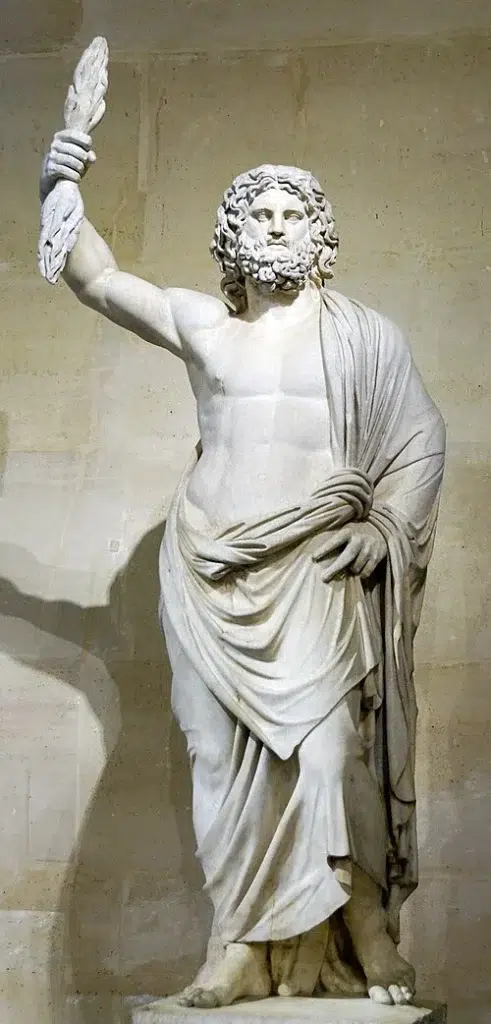
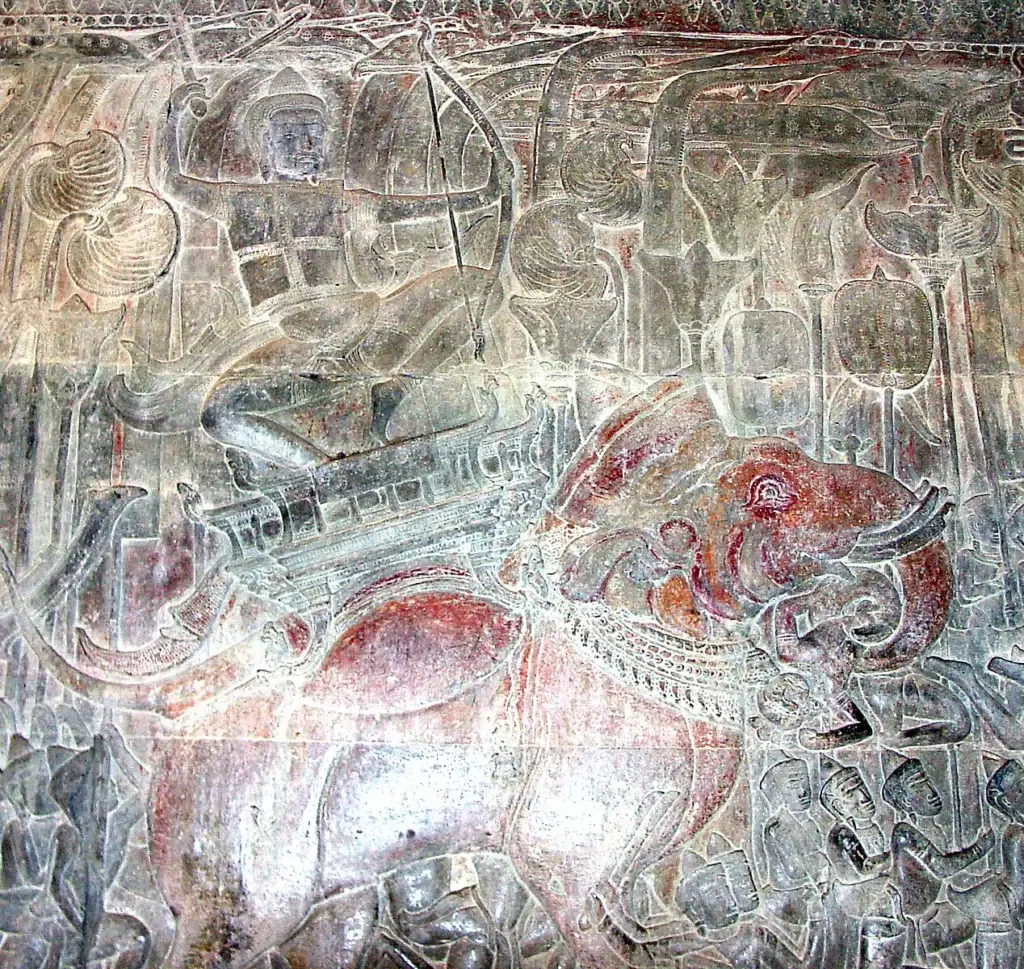
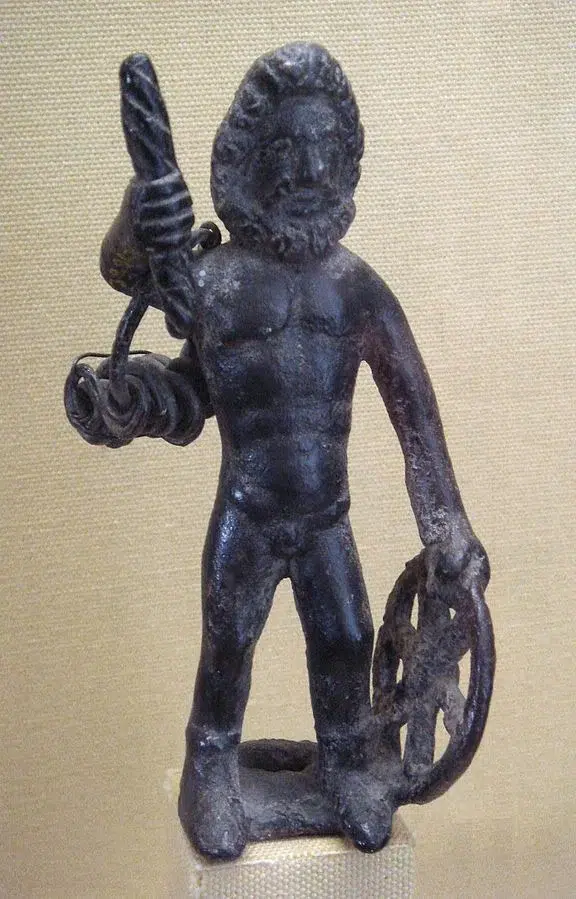
A second figure is a storm champion. This is the god who breaks things that block life. He hurls or strikes with a weapon that splits wood and bone, that shakes a gate, that clears a path for rain. The weapon is a bolt, a club, a hammer, or a spear that behaves like lightning. In the Vedic hymns the champion is Indra who wields a vajra, a striking device that cracks the serpent’s hold on the waters. In the Greek world the line blurs between Zeus as sky and Zeus as storm thrower. In the Germanic world the storm champion often sits not as sky father but as a second pillar, Thor with his hammer Mjölnir. In the Baltic world, Perkunas is a thunderer whose very name preserves a PIE root with the sense of oak and strike. The same job repeats with different kit. Break the choke point. Let the river flow. Let the cows out of the cavern. Make room for life.
The divine twins and their fast horses
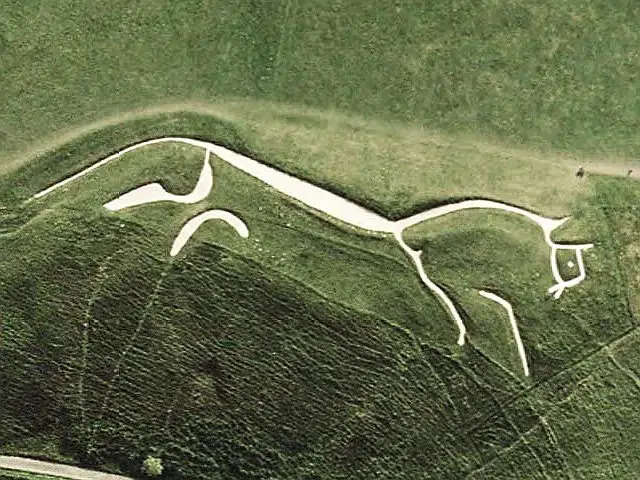
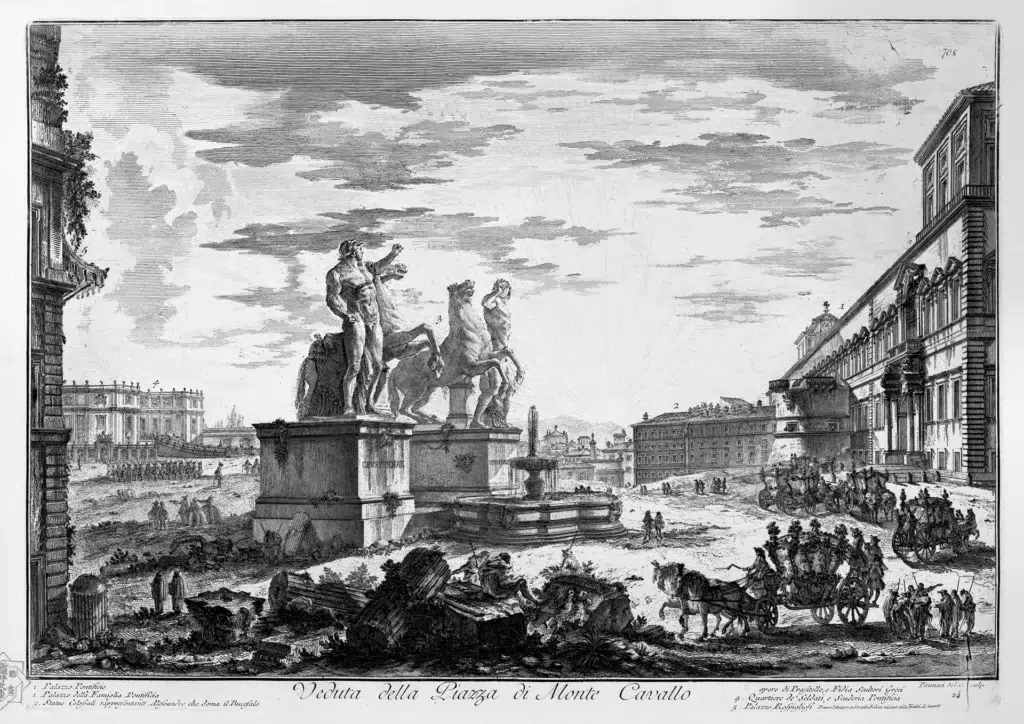
Many Indo-European traditions keep a pair of youthful rescuers who ride quickly and save people at the brink. In Greece that pair is the Dioscuri, Castor and Pollux. In India that pair is the Ashvins, literally horsemen, who rescue sailors from sinking ships and patients from disease. In Baltic songs there are divine brothers who appear with a sister of the sun and a wedding scene near the sea. The core function repeats. The twins arrive with speed and light, they help, and they often carry a mark of the dawn. The twins connect with horses so tightly that horse iconography feels at home with them, from white chalk figures on hillsides to gilded caps for bridles. Once you see the pattern, you see it everywhere.
The dawn goddess and the first light
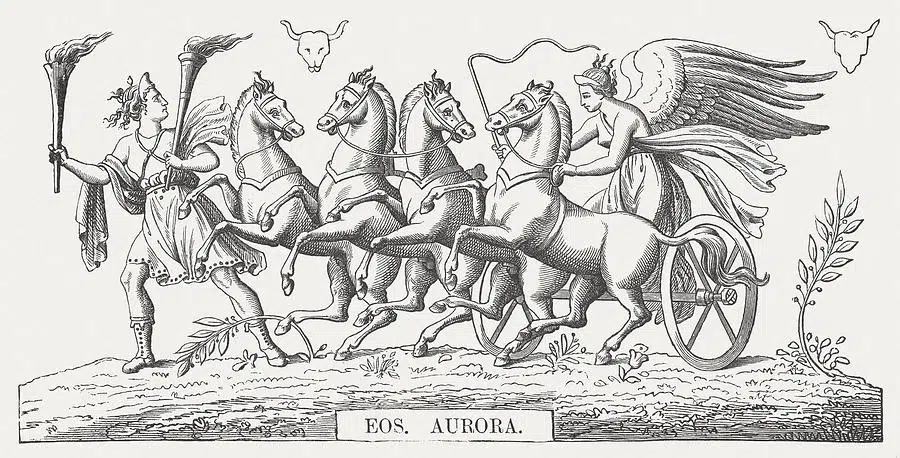
The root story has a dawn goddess whose name is easy to track. In Greek she is Eos, in Latin Aurora, in the Vedic hymns Ushas. The sound and the image line up. She opens the gates. She stretches rosy fingers across the sky. She is often a relative of the sun who leads the way. Dancing horses, fresh wind, and the language of youth and renewal cluster around her. When you put dawn beside the divine twins and the storm champion, you get an entire morning program. First light opens the day. The twins ride. The storm breaks the dragon’s hold. Waters and cattle are released. The world works again.
The dragon and the blocked waters
The most famous PIE plot is a fight against a serpent or dragon who blocks rivers and steals cattle. The storm champion cracks the serpent and the waters pour out. In India that is Indra versus Vrtra. In Iran a hero named Thraetaona fights a three mouthed dragon. In Greece Zeus faces Typhon and Herakles faces a host of serpents. In Norse poetry Thor fishes for a world serpent that coils beneath the sea. The names do not match one to one, but the shape does. Dragon blocks flow. Champion breaks block. World breathes again. The plot can drift from water to cattle, since the old language uses similar words for wealth and cows. A cattle raid in one branch of the family satisfies the same narrative hunger as a water release in another. Both are about getting life back from a hoarder.
Oath, right order, and the law of the open sky
A sky father is not only light. He is law. The open vault sees and remembers. His kind of religion makes oaths weighty. If you swear falsely under an open sky, something hard and bright will come due. In Greece, Zeus Horkios is Zeus of oaths. In Rome, Jupiter takes the role when treaties are struck. In early Indo-Aryan ritual, a pair named Mitra and Varuna shape law and binding. Varuna has a net that catches oath breakers. These roles are not copies. They are echoes of a way to think about community, where truth is public and the sky is witness.
Built out of a love for history, kept free from distractions.
Spoken Past is an independent project shaped by curiosity, care, and long hours of research. Reader support helps keep it maintained, carefully researched, and open to everyone.
Mead, soma, and the gift of inspiration
Many branches of the family keep a drink that belongs to gods and poets. It gives right words, courage, and a taste of the beyond. In the Rigveda that drink is soma. In Norse poetry it becomes the mead of poetry, stolen from giants and carried by a god to lend speech fire to human singers. Greek stories about divine nectar and ambrosia sit in the same corner of the room. When the drink changes from liquid to metaphor, the function stays. Inspiration is a gift that brings a human closer to a god for a moment. The thunder champion fights with muscle, but the poet fights with breath that tastes like the sky.
A three part world and a world tree
Indo-European myth often arranges the world in three parts. Sky above, middle world where people live, and underworld below. A tree or pillar links them. Birds nest at the top, snakes coil at the root, and people move on the trunk. The image shows up as an ash in Norse myth, a cosmic pillar in Indo-Iranian imagination, a world axis in Greek philosophical talk. The tree is a way to think about structure and connection. If the branches are healthy, the farm below is healthy. If the roots are gnawed, the city shakes.
From PIE to Zeus, Jupiter, and Odin
Zeus and Jupiter keep the clearest Sky Father roles. Zeus stands on law courts and holds meetings of gods. Jupiter guards treaties, oaths, and the calendar of the Roman state. Both throw thunder, which blends the sky and storm roles in one figure. Odin is different, but not unrelated. He is not a bright sky father. He is a god of breath, poetry, death on the tree, and dangerous wisdom. His name lines up with a Proto-Germanic root for fury or inspiration. Where the PIE pattern puts sky and storm side by side, the Norse world sometimes splits them. Thor is the storm champion who breaks giants. Odin is an old figure who drinks deep and speaks spells. If you insisted on finding the PIE sky father in the Norse set, you would look at Tyr and at a legal fatherhood that later loses rank. The Germanic family changes the casting but keeps the plot beats near at hand.
Horses, twins, and a traveling cult
Horses carry the story. Chariots roll across burial art. Bridle ornaments gleam in graves. Oaths are sworn over a horse or in a cart that circles sacred ground. In one part of the family, a king processes with white horses and a blessing follows the track. In another, sailors call on the twins and look for a star that bears their names. A chalk horse cut into a hillside can be a sign that the land belongs to a story about speed, rescue, and good weather. The animal is not decoration. It is a tool that turns myth into ritual.
How ritual keeps plot alive
A myth lives in what people do. If the story says the storm champion frees waters from a dragon, a spring festival might include a gate that must be opened or a rope that must be cut. If the story says oaths are sacred under the sky, a community might hold court in an open space. If the story says dawn rides ahead of the sun, the right time to begin a rite might be when the first color lifts in the east. These habits carry plot points long after names change. That is why you can take a god from one end of the family and a god from another and still understand what is happening to the crops or the fleet when you hear the story begin.
What cannot be recovered and what can
No scholar can hand you a full song in PIE words. What we can hand you is a set of repeated images and roles with solid anchors in language, ritual, and art. We can be sure that a Sky Father and a storm champion stood near the front of the stage. We can be sure that swift twins and a dawn goddess mattered. We can be sure that a dragon fight and a water or cattle release had power. We can see how Rome made Jupiter a civic father and Greece made Zeus a law speaker and storm thrower. We can see how the Norse split thunder and breath. The rest is careful listening.
FAQ
Is Odin really part of the same root as Zeus and Jupiter
Yes in the broad family sense, but with a different emphasis. Zeus and Jupiter keep the classic Sky Father role, legal and bright, often also serving as storm throwers. Odin aligns with a poem and death role that likely draws on Indo-European ideas about inspired breath and the power of words. In the Germanic branch the storm champion sits with Thor while Odin takes on wisdom, kingship, and the dead.
Did all Indo-European cultures worship exactly the same gods
No. They shared a pattern and a set of roles. Local history, environment, and politics changed casting. A seafaring island with horse cults and twin saviors will lean on one part of the root story. A mountain people in storm country will make the thunder champion first among equals. The pattern holds even as the names and scenes change.
Is the PIE Sky Father really the same as Zeus
They are not the same individual, but Zeus preserves the key features of the older figure. The name aligns with the same root, the legal and open sky functions match, and the storm role blends in. That is why Zeus often reads like more than a weather god. He is a figure of order, oath, and bright day.
Where do the divine twins show up outside Greece
In India as the Ashvins who rescue in emergencies. In Baltic song as youthful riders linked to the sun’s sister. In Rome as the Dioscuri who are thanked for help at sea and in war. The twins are a common Indo-European device for speed and salvation.
What about the dawn goddess
Her name aligns across branches as Eos in Greek, Aurora in Latin, and Ushas in Vedic poetry. She opens the day, brings light, and often appears with horses that fit the twin pattern. She is not a minor figure. She signals that the world is working.
How much of the dragon story is really shared
The ingredients are widely shared. A serpent or dragon blocks waters or hoards cows. A champion strikes with a bolt or hammer. The block breaks. Rivers run or cattle return. The names and settings change, but the outline holds from India to the North Atlantic. It is one of the strongest threads in the entire fabric.
Can the world tree idea be older than the Norse
Yes. A vertical axis that links upper world, middle world, and lower world is an Indo-European way to imagine structure. In some places it is a tree. In others it is a pillar, a mountain, or a ladder of birds and snakes. The Norse ash is just the most elaborated version in surviving literature.
If Zeus and Jupiter are close, why is Odin so different
Branches drift. Greek and Roman city politics supported a legal sky figure at the center. Germanic societies with strong warlord and poet cultures raised a god who embodies frenzy, wisdom, and death. Thor still performs the storm role. The divergence is exactly what you would expect over centuries of change.
Is there a single original PIE myth we could tell word for word
No. What we have are patterns with high confidence and scenes that recur. A good storyteller can weave a plausible tale from those pieces, but the exact wording is gone. The value is in recognizing the pattern and seeing how it seeded later myth worlds.
Does this erase local originality
Not at all. The PIE root is a starting point. Each culture adds, subtracts, and sharpens. Greek drama, Roman state ritual, Vedic hymn, and Norse poem are all full of invention. The family resemblance makes the inventions more interesting, not less.