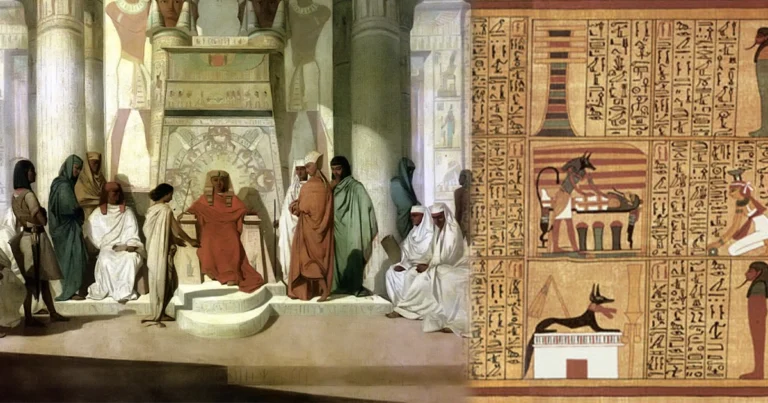

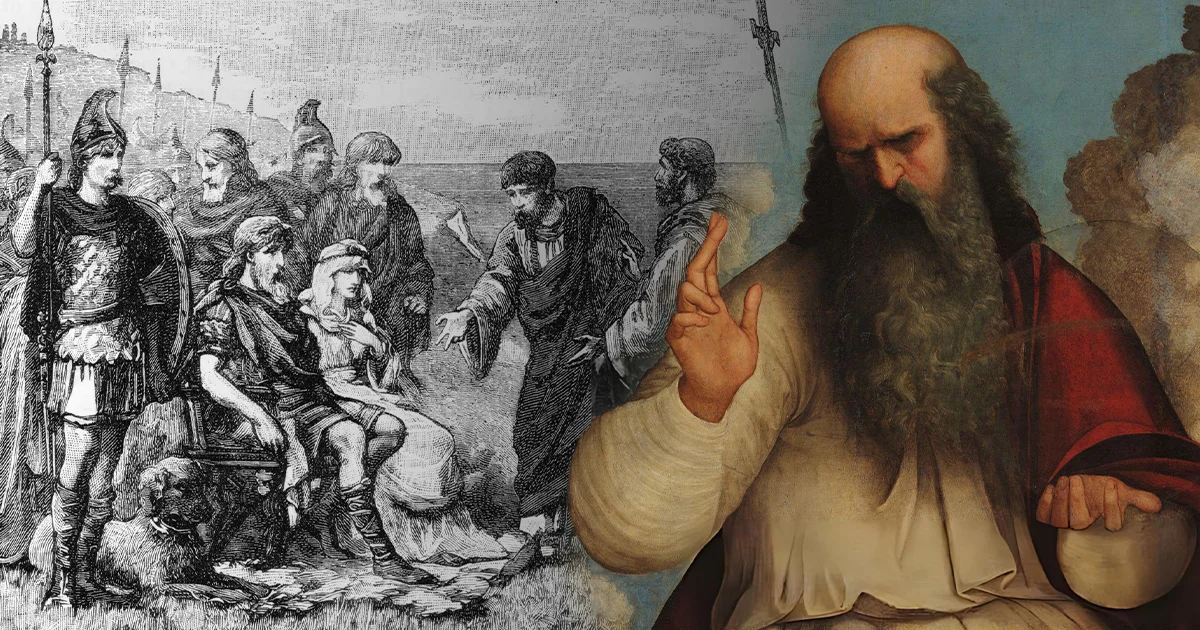
The early Christian understanding of Genesis differed dramatically from modern literal interpretations that emerged in the late 1800s. Church fathers from the 1st through 5th centuries CE predominantly read Genesis as allegory, symbolic framework, or instantaneous creation rather than chronological history. Origen of Alexandria, writing in the 2nd century, stated it was “inconceivable” to consider Genesis literal history. Augustine of Hippo argued in the 4th century that God created everything in a single instant, not across six 24-hour days.
This interpretive tradition began with Philo of Alexandria, a 1st-century Jewish scholar whose writings heavily influenced early Christian exegesis. Philo taught that the six days represented logical categories rather than temporal sequence. The Alexandrian school of Christian theology, including Clement and Origen, adopted and expanded these allegorical methods throughout the 2nd and 3rd centuries.
The early Christian understanding of Genesis emphasized theological meaning over chronological detail. Church fathers focused on what Genesis revealed about God’s nature, humanity’s relationship to the divine, and the origin of sin rather than debating the age of the earth or the mechanics of biological creation. They viewed attempts to read Genesis as scientific description as misunderstanding Scripture’s purpose.
These interpretations persisted as mainstream Christian teaching for over 1,500 years. Modern literal readings of Genesis as requiring young earth chronology developed primarily as Protestant reactions to Darwinian evolution in the late 19th century, representing a departure from traditional early Christian understanding of Genesis rather than continuity with it.
Philo of Alexandria’s Allegorical Framework
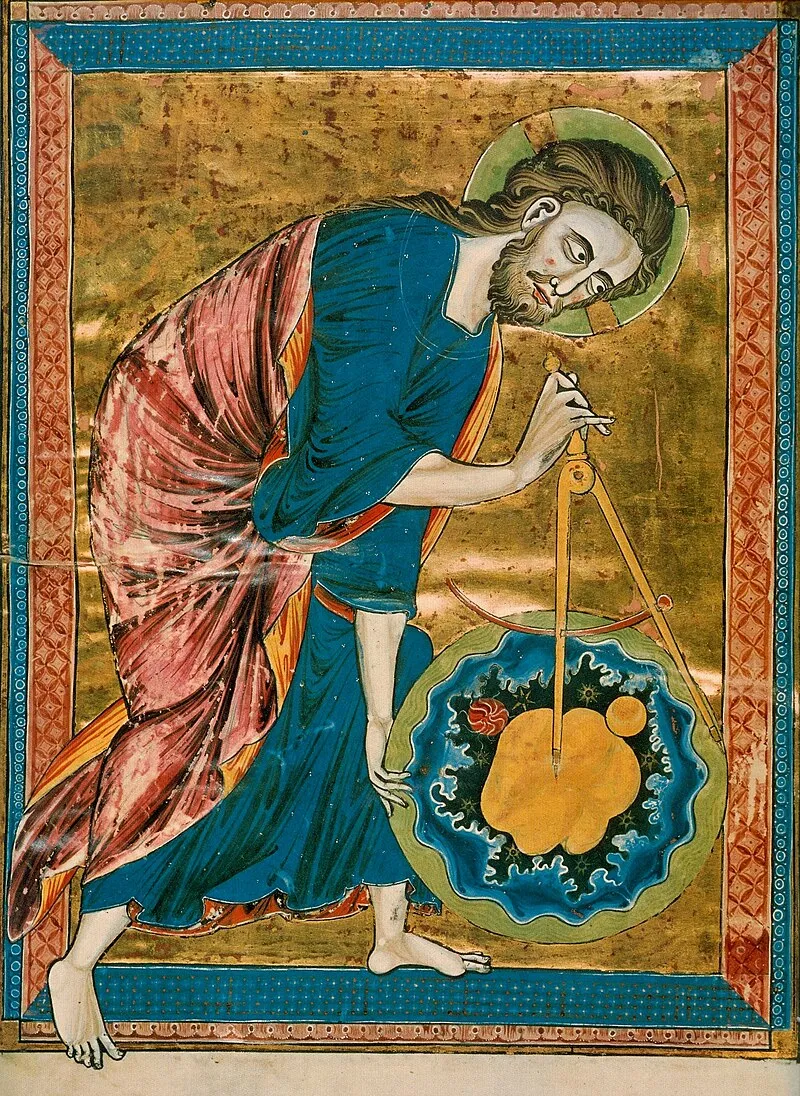
Philo of Alexandria lived from approximately 20 BCE to 50 CE, making him a contemporary of Jesus and Paul. As a Hellenistic Jewish philosopher, Philo wrote extensive commentaries on the Pentateuch that blended Jewish theology with Greek Platonic philosophy. His works, particularly “On the Creation” and “Allegorical Interpretation,” established methods that early Christian theologians would adopt for centuries.
Philo argued that literal interpretation of Genesis produced absurdities that dishonored Scripture. He asked how light could exist on day one before the sun was created on day four if the text described literal 24-hour periods. Similarly, he questioned how an incorporeal God could literally “walk” in the Garden of Eden or how Adam could physically hide from an omnipresent deity under a tree.
Instead, Philo proposed that Genesis described ideal forms and spiritual realities. The six days represented logical categories of creation arranged by philosophical importance rather than temporal sequence. Day one’s light symbolized divine wisdom rather than physical illumination. The Garden of Eden represented the human soul rather than a geographical location. This allegorical method allowed Philo to reconcile Genesis with Greek philosophy while maintaining Scripture’s authority.
Origen of Alexandria’s Rejection of Literal Reading
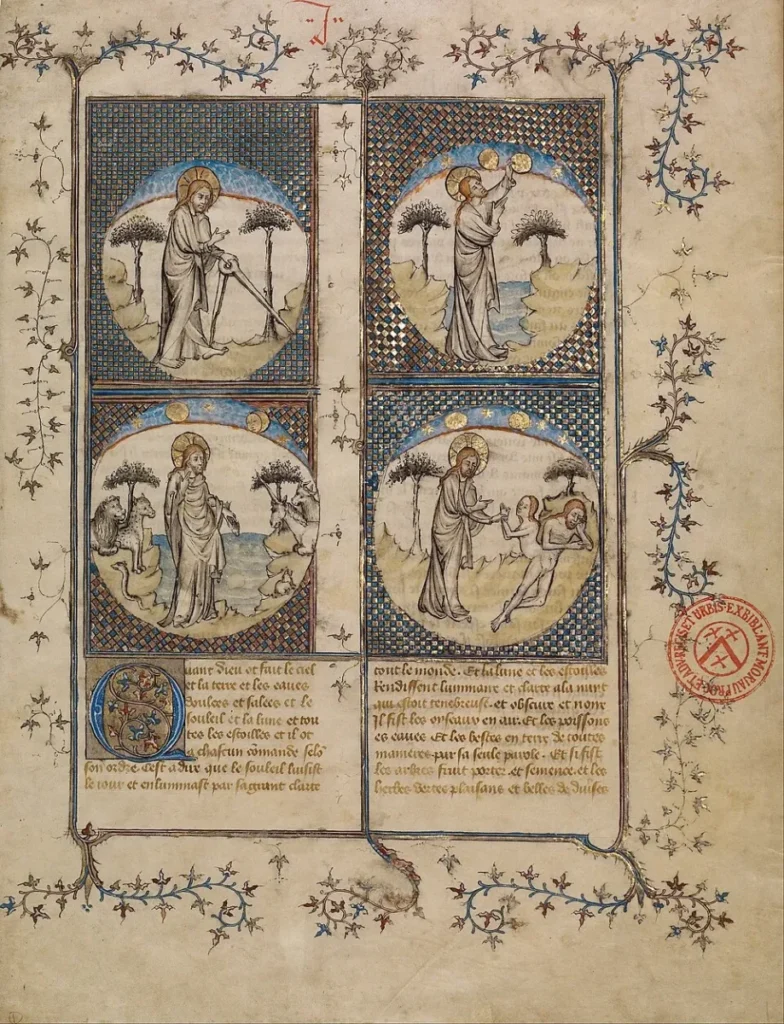
Origen lived from 184 to 253 CE and served as the most influential early Christian theologian of the Alexandrian school. His works established exegetical principles that dominated Eastern Christianity and significantly influenced Western theology. In his treatise “On First Principles,” Origen systematically addressed the early Christian understanding of Genesis and explicitly rejected literal interpretation.
Origen wrote with obvious contempt for those who read Genesis literally. He asked mockingly, “Now who is there, pray, possessed of understanding, that will regard the statement as appropriate, that the first day, and the second, and the third, in which also both evening and morning are mentioned, existed without sun, and moon, and stars?” He considered it self-evident that days defined by evening and morning could not exist before the celestial bodies marking time were created.
Similarly, Origen questioned who could be “so ignorant” as to believe God literally planted trees whose fruit brought death or that God walked in a garden while Adam hid under a tree. Origen insisted these passages were “related figuratively in Scripture, that some mystical meaning may be indicated by it.” For Origen, the early Christian understanding of Genesis required allegorical interpretation to extract spiritual truths from what he viewed as obviously non-literal narrative.
Clement of Alexandria’s Multiple Meanings
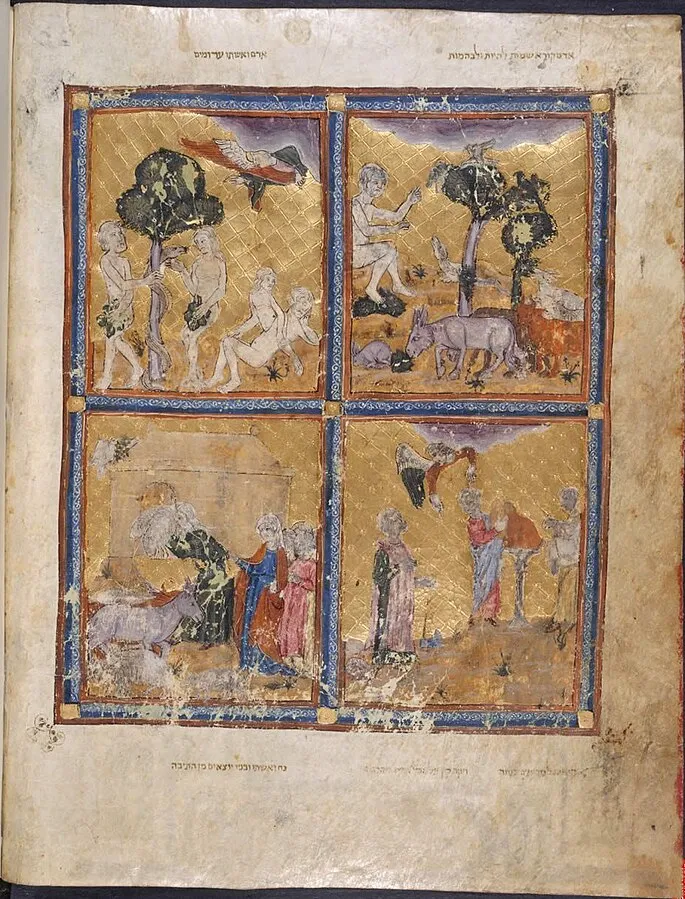
Clement of Alexandria, Origen’s predecessor and teacher, lived from approximately 150 to 215 CE. As head of the Catechetical School of Alexandria, Clement developed a sophisticated hermeneutical approach that recognized multiple valid meanings within Scripture simultaneously. His writings demonstrate that the early Christian understanding of Genesis embraced interpretive complexity rather than singular literal meaning.
Clement taught that Scripture contained three levels of meaning: literal, moral, and spiritual. The literal level described events that might or might not be historically accurate. The moral level taught ethical principles for Christian living. The spiritual level revealed mystical truths about God’s nature and humanity’s relationship to the divine. All three levels existed simultaneously within the text.
Applying this framework to Genesis, Clement argued the creation account functioned primarily at the moral and spiritual levels. The six days taught hierarchical ordering with humanity as God’s image representing the apex of creation. Adam’s naming of animals demonstrated humanity’s rational capacity and dominion. The Garden narrative illustrated the origin of sin and the need for redemption. Whether these events occurred as described literally remained secondary to their theological significance.
Augustine of Hippo’s Instantaneous Creation
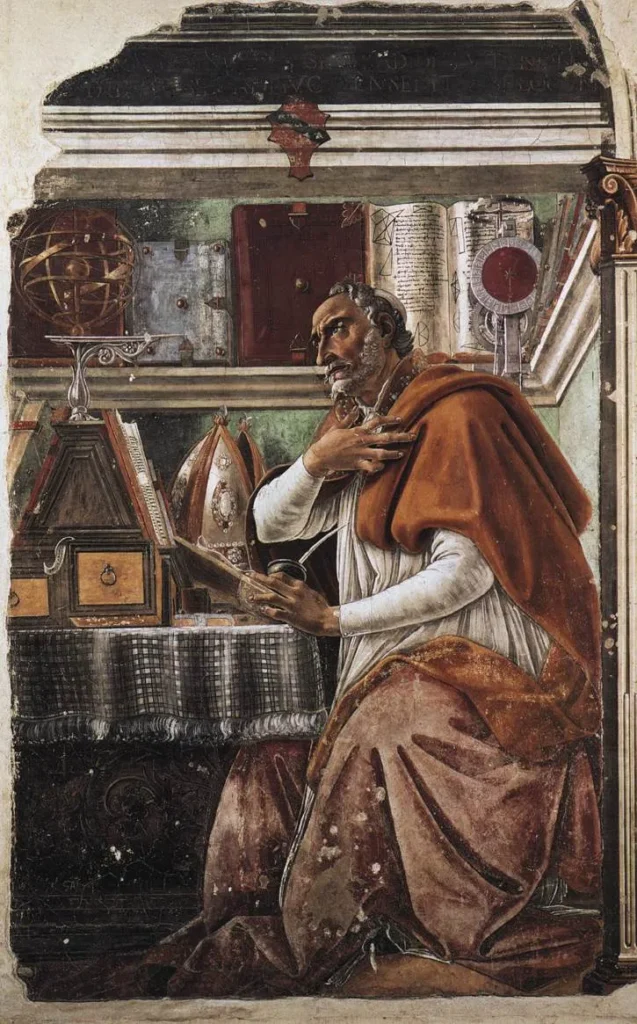
Augustine of Hippo, who lived from 354 to 430 CE, produced the most influential Western Christian commentary on Genesis in his work “The Literal Interpretation of Genesis” written in the early 5th century. Despite the title, Augustine argued against interpreting the six days as literal 24-hour periods. Instead, he proposed that God created everything instantaneously in a single timeless moment.
Augustine reasoned that God exists outside time and cannot be subject to temporal sequence. The six days therefore could not describe God’s creative process, which occurred timelessly. Instead, Augustine suggested the six days represented a literary framework organizing the creation account for human comprehension. God created all things simultaneously, but Scripture presented them sequentially because human minds cannot grasp timeless simultaneity.
This interpretation addressed several problems Augustine identified in literal readings. If God created light on day one but the sun on day four, what marked the passage of days before celestial bodies existed? Augustine solved this by denying that literal days passed at all during creation. The early Christian understanding of Genesis that Augustine established became normative in Western Christianity for over a thousand years.
Built out of a love for history, kept free from distractions.
Spoken Past is an independent project shaped by curiosity, care, and long hours of research. Reader support helps keep it maintained, carefully researched, and open to everyone.
Augustine’s Warning Against Scientific Contradictions
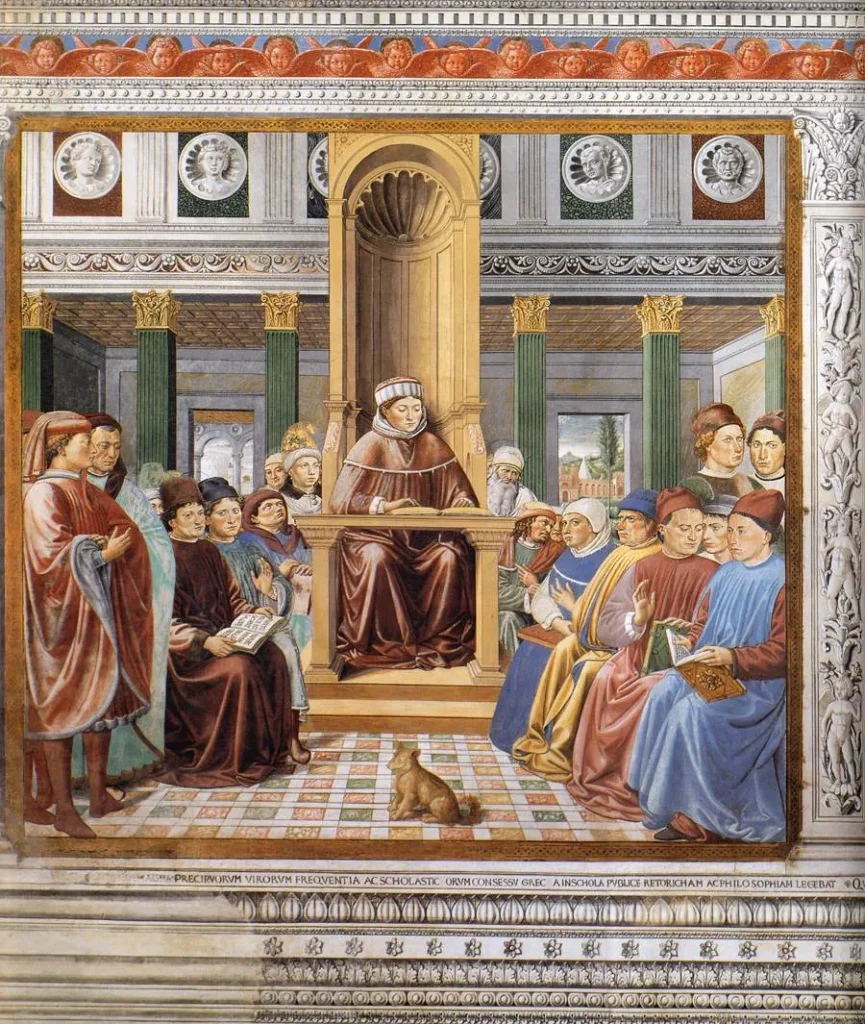
Augustine provided the most important principle governing the early Christian understanding of Genesis in a famous passage from “The Literal Interpretation of Genesis.” He warned that Christians who insisted on literal interpretations contradicting known facts made Christianity appear foolish to educated non-believers. This passage influenced Christian hermeneutics for centuries.
Augustine wrote that non-Christians often possessed accurate knowledge about earth, sky, stars, animals, plants, and other natural phenomena through reason and experience. When Christians spoke “idiotically” about these matters while claiming Biblical authority, non-Christians could “scarcely keep from laughing” at such errors. Augustine considered this “disgraceful and ruinous” because it damaged Christianity’s credibility.
He insisted on careful interpretation of Genesis that avoided “affirming rashly some one meaning to the prejudice of another and perhaps better explanation.” The early Christian understanding of Genesis that Augustine advocated prioritized theological truth over defending particular interpretations of natural history. If empirical knowledge contradicted a Biblical interpretation, Augustine argued Christians should revise their interpretation rather than deny facts.
The Alexandrian School’s Influence on Greek Christianity
The Alexandrian school of theology dominated Eastern Christian thought from the 2nd through 5th centuries and established interpretive methods that persist in Orthodox Christianity today. This school, centered in Alexandria, Egypt, approached Scripture through Platonic philosophical categories and allegorical exegesis. Their early Christian understanding of Genesis shaped how Greek-speaking Christians read the text for centuries.
Alexandrian theologians including Clement, Origen, and later Athanasius and Cyril viewed Genesis as describing spiritual realities through physical metaphors. The six days represented increasing proximity to God, with humans created last as closest to the divine. Adam represented the Logos or divine reason dwelling in humanity. The Garden symbolized paradise or deified human nature before the fall.
This allegorical approach allowed Alexandrian Christians to reconcile Genesis with Greek philosophy without abandoning Biblical authority. They saw no conflict between Genesis and Platonic cosmology because they read Genesis as addressing different questions. Greek philosophy described physical causation while Genesis revealed theological meaning. The early Christian understanding of Genesis in the East thus maintained allegory as the primary interpretive method.
Western Christianity’s Debt to Augustine
Augustine’s interpretation of Genesis dominated Western Christianity from the 5th century through the Reformation and beyond. Medieval theologians including Thomas Aquinas, Bonaventure, and Duns Scotus all built on Augustinian foundations when discussing creation. The early Christian understanding of Genesis that shaped Catholic and later Protestant theology came primarily through Augustine’s influence.
Medieval scholastics debated whether creation occurred instantaneously as Augustine argued or sequentially across six periods of unspecified length. Most accepted that the days were not literal 24-hour periods. Thomas Aquinas in his Summa Theologica written in the 13th century discussed various interpretations including Augustine’s instantaneous creation and others proposing extended periods. None of the major medieval theologians advocated literal 24-hour days.
This consensus persisted through the Reformation. John Calvin in his Genesis commentary written in 1554 acknowledged that the days might represent longer periods, though he preferred understanding them as literal days. Martin Luther held a more literal view but recognized other interpretations as legitimate. The early Christian understanding of Genesis transmitted through Augustine allowed interpretive flexibility that became controversial only after the 19th century.
The Literal Interpretation as Modern Innovation
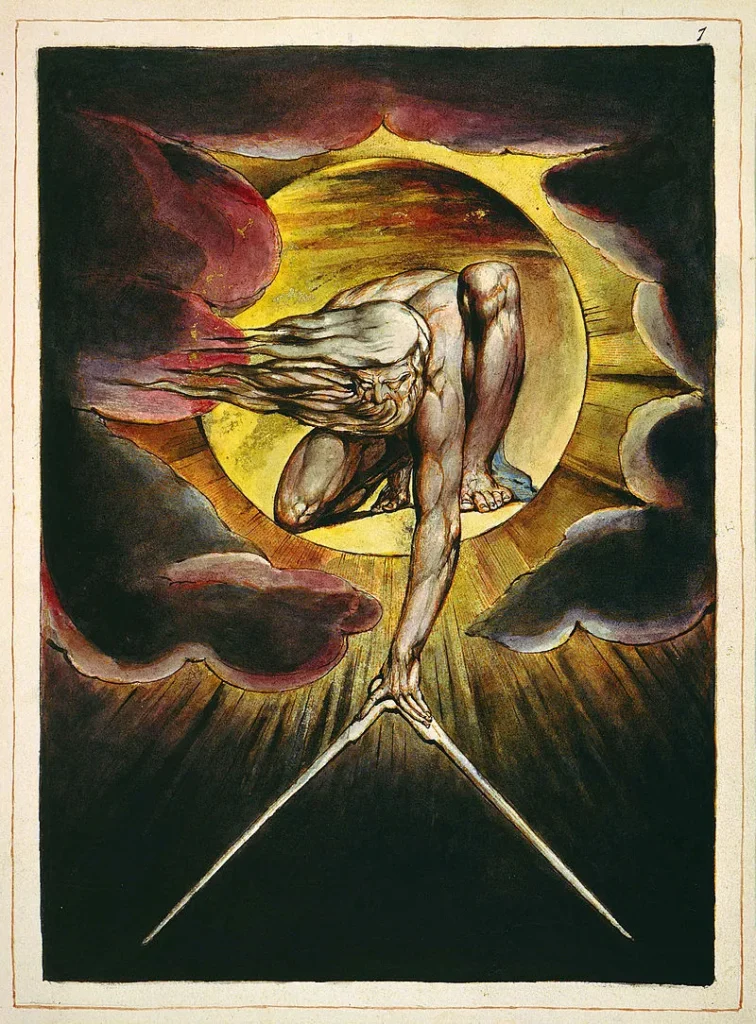
The interpretation of Genesis requiring a young earth created in six 24-hour days approximately 6,000 years ago emerged primarily in the late 19th and early 20th centuries. This reading developed as a Protestant reaction to Darwinian evolution and geological discoveries suggesting earth’s ancient age. Rather than representing traditional Christianity, this literal approach departed dramatically from the early Christian understanding of Genesis.
The Scofield Reference Bible published in 1909 popularized the “gap theory” attempting to reconcile Genesis with geological evidence by inserting millions of years between Genesis 1:1 and 1:2. This innovation demonstrated that even early 20th-century literalists recognized problems with straightforward reading. Later fundamentalists abandoned gap theory for young earth creationism that rejected scientific dating entirely.
The term “creation science” appeared in the 1960s and 70s as Protestant fundamentalists attempted to provide scientific justification for literal Genesis. This movement represented a radical departure from the early Christian understanding of Genesis established by church fathers who never treated Genesis as scientific description. Modern young earth creationism claims ancient pedigree but actually contradicts 1,500 years of dominant Christian interpretation.
Different Questions in Ancient and Modern Contexts
The early Christian understanding of Genesis addressed different questions than modern debates about creation. Ancient Christians asked theological questions: What does Genesis reveal about God’s nature? Why did God create humans? What is humanity’s proper relationship to the divine? How did sin enter the world? Scientific questions about mechanisms and timelines concerned them minimally.
Modern creation debates focus on questions ancient Christians never considered central to Genesis interpretation: How old is the earth? Did biological species evolve? Can Genesis be reconciled with physics and geology? These questions emerged from Enlightenment emphasis on empirical knowledge and scientific method. Ancient Christians operated in different intellectual frameworks where such questions seemed irrelevant to Genesis’s purpose.
This explains why the early Christian understanding of Genesis appears alien to modern readers on both sides of creation debates. Young earth creationists claim ancient support that doesn’t exist because church fathers weren’t trying to establish earth’s age. Theistic evolutionists sometimes overstate ancient flexibility because church fathers weren’t trying to accommodate scientific theories. Both sides project modern concerns onto ancient texts addressing different questions entirely.