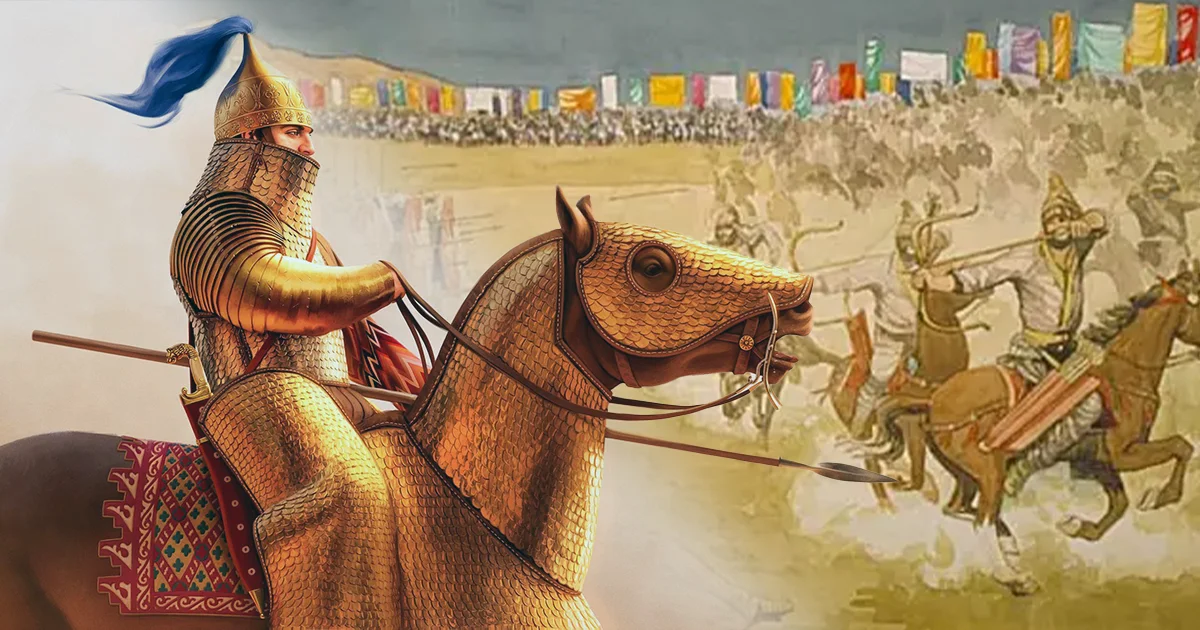
When Rome’s legions crossed into Parthian territory in 53 BC, Crassus expected another conquest. At Carrhae, his 40,000 soldiers faced a force one-quarter their size. The Romans lost, and the weapon that crushed them was the cataphract: an armored rider on an armored horse, lance in hand, charging at full speed like a battering ram wrapped in iron. The Parthians perfected this cavalry unit, turning it into the most feared shock weapon of the ancient Near East.
Origins of the Armored Rider
The cataphract emerged from centuries of Near Eastern cavalry development. Persian and Scythian horsemen experimented with armor in the 7th century BC, but the Parthians transformed the concept into a dedicated military unit around the 2nd century BC. The name derives from the Greek kataphraktos, meaning “fully armored.”
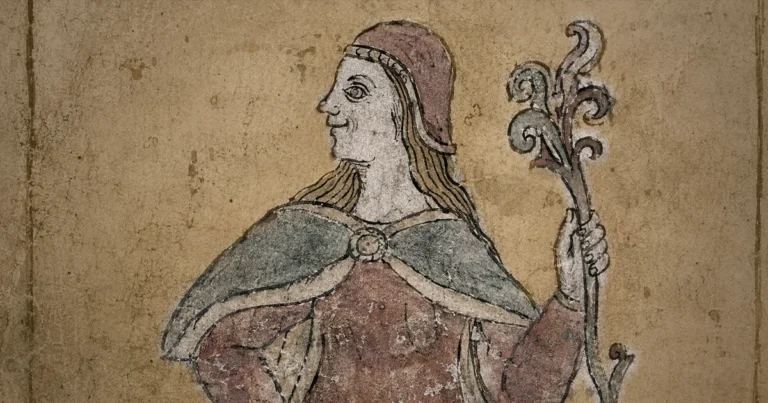
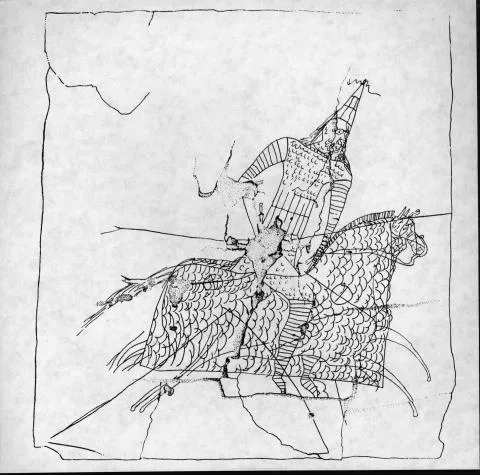
These warriors wore scale or lamellar armor covering torso, arms, and legs, while their horses received protective bardings of bronze scales sewn onto fabric blankets. A graffito from Dura Europos, dating to Parthian rule, shows the full splendor of these mounted giants. The Tang-e Sarvak frieze provides another glimpse into how these cavalry forces appeared in full array.
The Parthian cataphract required immense wealth to field. Only nobles could afford the panoply: armor for rider and mount, multiple war horses, long lances called kontoi, swords, and supporting retainers. This created a cavalry elite bound by social prestige and esprit de corps.
Sources suggest that the entire Parthian cavalry force from Parthia proper consisted of cataphracts, making them not just shock troops but the backbone of Parthian military power. Each armored rider represented a significant investment, transforming military capability into a marker of aristocratic status. The great noble houses maintained these forces generation after generation, passing down armor, weapons, and tactical knowledge through family lineages.
The Lance and the Charge
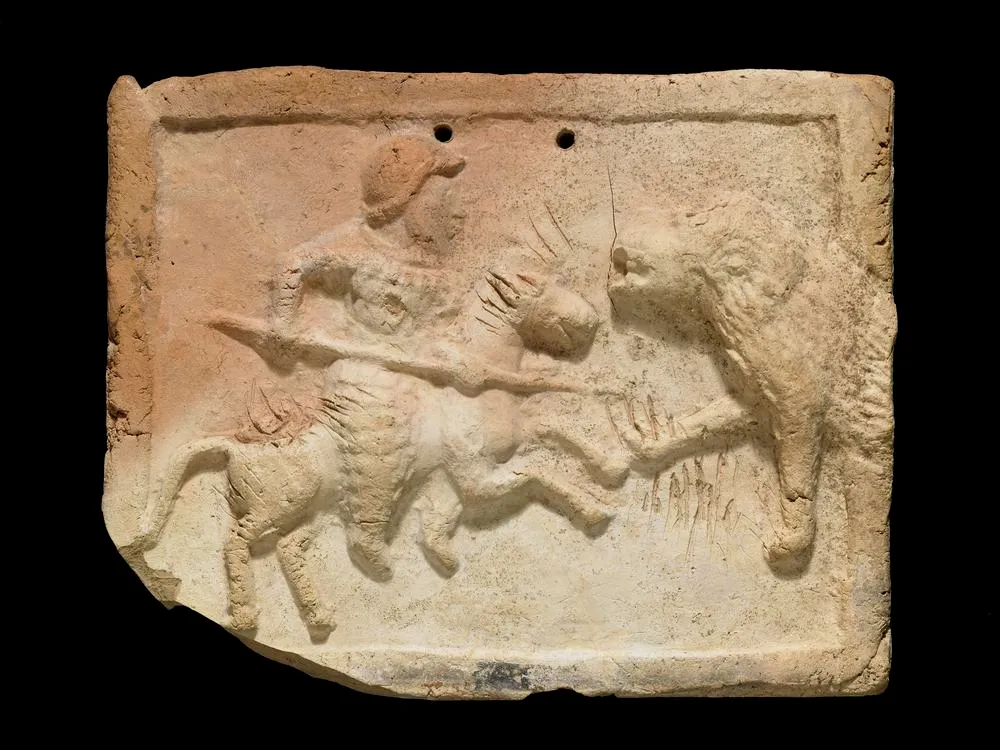
The cataphract’s primary weapon was the kontos, a lance measuring 3 to 4 meters long. Wielded with both hands, the kontos required the rider to control his mount with leg pressure alone, demanding exceptional horsemanship. The lance’s length gave Parthian cataphracts reach advantage over infantry spears, allowing them to strike enemies before retaliation.
When dozens of these armored riders charged in formation, the impact scattered formations like bowling pins. A fully barded war horse weighing 500 kilograms or more, accelerating to top speed, created unstoppable momentum. Soldiers in the impact zone were trampled or thrown aside; those nearby were jostled out of position.
The cataphract didn’t need to kill every enemy personally. Creating gaps in the formation, breaking shield walls, and sowing panic was the objective. Once infantry cohesion shattered, the real killing began through combined arms tactics with horse archers.
After exhausting their initial charge, Parthian cataphracts withdrew to regroup. They carried long swords for close combat when the lance broke or became unwieldy. Some evidence suggests cataphracts also carried bows, making them versatile in prolonged engagements.
The weight of their armor limited sustained combat, but in short, explosive attacks, no ancient unit matched their power. Roman sources describe the terror of facing these charges, with Plutarch noting how the sight and sound of armored cavalry advancing broke unit cohesion before contact. The psychological warfare element proved as valuable as the physical impact.
Combined Arms at Carrhae
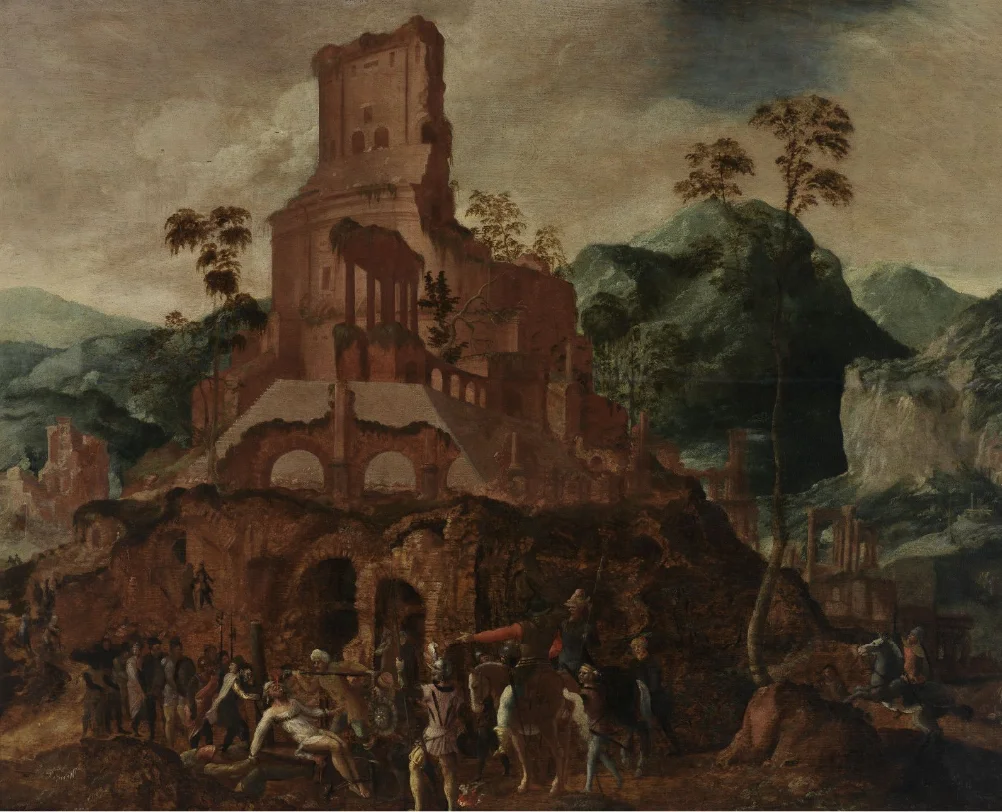
The Parthian military operated as a sophisticated combined arms force. Cataphracts formed the anvil; horse archers were the hammer. At Carrhae in 53 BC, this system destroyed Crassus in what became Rome’s most humiliating defeat since Cannae.
The Parthian horse archers, mounted on lighter horses, circled the Roman formation and released volleys from their composite bows. The Romans formed the testudo (tortoise formation), raising shields overhead to block arrows. That defensive posture proved fatal because immobilized legionaries couldn’t maneuver or fight back.
Cassius Dio describes how the cataphracts then charged, their kontoi piercing the testudo formation. The Romans couldn’t break formation without exposing themselves to arrows, yet staying in the testudo made them vulnerable to the lances. The Parthians fielded roughly 10,000 cavalry; the Romans fielded 40,000 infantry and 4,000 cavalry. Crassus lost 20,000 dead and 10,000 captured.
The battle showcased the cataphract tactical doctrine perfected over decades of warfare. The vanguard engaged first, often feigning retreat to lure enemies forward. Once pursuers became scattered, the main cataphract force appeared, encircling the enemy while the center engaged head-on.
If direct assault failed, the Parthians wore down opponents with archery, both light cavalry and cataphracts shooting in attack and retreat (the famous Parthian shot). When horses tired or arrows ran low, units withdrew to remount or resupply, then returned to continue the assault. This rotation system allowed fresh troops to maintain pressure throughout daylong battles.
Built out of a love for history, kept free from distractions.
Spoken Past is an independent project shaped by curiosity, care, and long hours of research. Reader support helps keep it maintained, carefully researched, and open to everyone.
Armor Construction and Protection
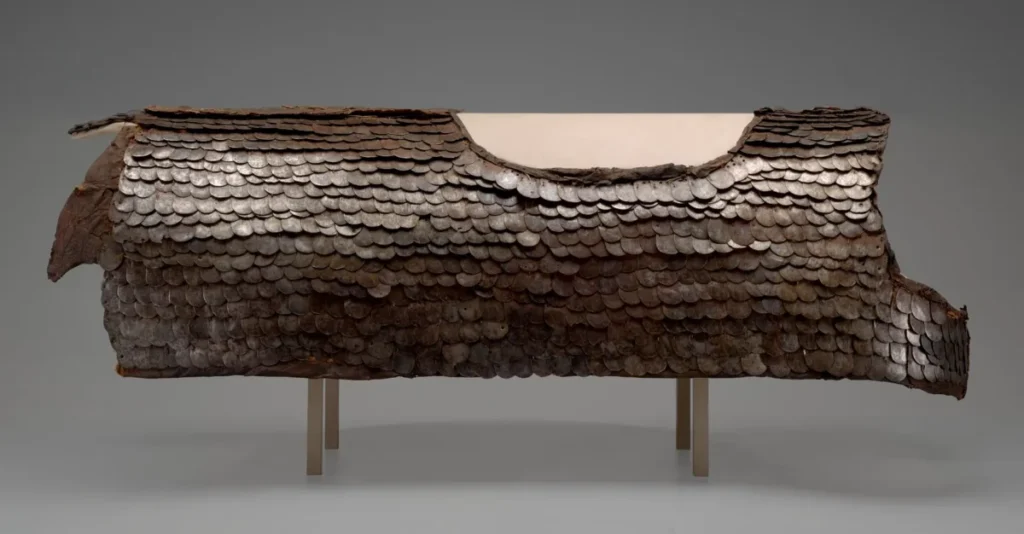
Parthian cataphract armor came in multiple forms, each suited to different tactical roles. Scale armor dominated, constructed from small bronze or iron plates laced together and attached to a fabric or leather backing. Each scale overlapped the next, creating flexible protection that allowed movement while deflecting slashing weapons.
Lamellar armor, made from larger rectangular plates laced in horizontal rows, appeared less frequently but offered superior rigidity for frontal impacts. The construction required skilled armorers who understood both metallurgy and the biomechanics of mounted combat. Workshops in Ctesiphon and other Parthian cities produced these armor sets, with master craftsmen commanding high prices for their work.
Horse armor, or barding, followed similar principles to rider protection. One-piece caparisons of thick fabric provided basic protection against glancing blows. Scale barding, the most common type, covered the horse’s body with bronze scales sewn onto a blanket foundation.
Archaeological finds from Dura Europos, though technically Roman cavalry equipment, were fashioned in Iranian style and show the construction method. The Firuzabad relief and Tang-e Sarvak frieze depict these armored horses in profile, showing coverage from neck to hindquarters. Chain mail appeared rarely in Parthian cataphract forces, with stronger evidence coming from later Sasanian periods.
The weight of full armor sets for horse and rider reached 40 to 50 kilograms. Persian and Parthian war horses, larger and more robust than steppe ponies, could carry this load at a gallop. The armor’s psychological impact matched its physical protection because facing a wall of armored cavalry thundering forward broke enemy morale before the first lance struck.
Tactical Deployment and Doctrine
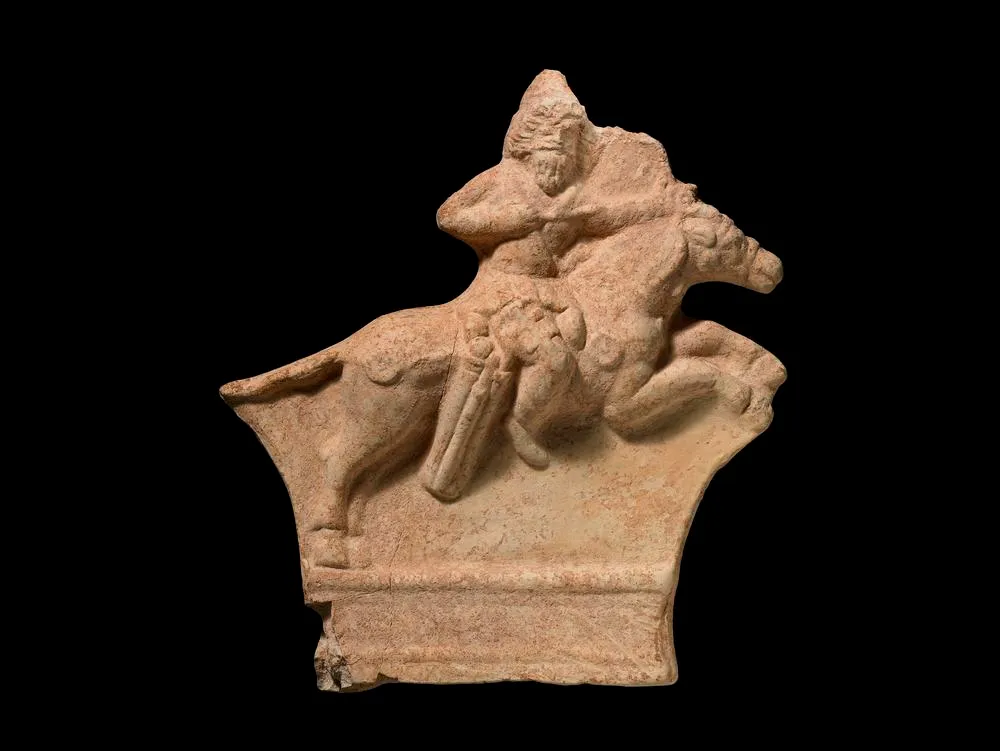
Parthian generals deployed cataphracts as the decisive strike force, supported by infantry archers and light cavalry scouts. In battle, the cataphracts typically formed the center of the line, with horse archers on the wings. This formation allowed the cataphracts to pin the enemy while mobile units flanked.
If terrain didn’t suit direct assault, the Parthians employed hit-and-run tactics, shooting from a distance until enemy formations weakened. The convex array, mentioned in the Gotha manuscript, placed the cataphracts in a bulging center formation designed to envelop enemies. The vanguard probed enemy defenses, then feigned retreat if initial attacks failed.
This tactic, documented in multiple Parthian engagements, exploited the enemy’s pursuit instinct. As pursuers extended their formation chasing the “fleeing” vanguard, they lost cohesion. The vanguard then split into three groups, with the center continuing to retreat while the wings circled to attack from the flanks. The encirclement became complete when the main force joined the assault.
Against the Seleucids in the 2nd century BC, Parthian cataphracts broke the Hellenistic pike phalanx, something few cavalry units could achieve. The kontos‘s length matched the Seleucid sarissa, allowing cataphracts to engage pike formations at their own reach. In 36 BC, cataphracts defeated Mark Antony’s invasion, though details of their specific role in that campaign remain sparse. Their reputation, established at Carrhae, preceded them, and Roman commanders approached Parthian cavalry with newfound respect.
Social and Economic Impact
The cataphract represented more than military innovation; it embodied social hierarchy throughout Parthian society. Only the Parthian aristocracy, the great noble houses, could afford cataphract equipment. This created a warrior caste with political power matching their battlefield dominance.
The cost of maintaining multiple war horses, full armor sets, weapons, and supporting personnel required estate-level wealth. Cataphracts thus held dual roles as military elite and political power brokers. The feudal structure of Parthian government relied on these nobles providing military contingents in exchange for land grants and taxation rights.
The economic burden of cataphract forces shaped Parthian state organization profoundly. The empire operated as a feudal confederation, with noble houses providing military contingents in exchange for land and autonomy. The king relied on these nobles to supply cataphract forces during campaigns. This decentralization gave Parthia flexibility but also created tensions when noble houses pursued independent agendas.
The cataphract’s cost and prestige made each armored rider a political statement as much as a military asset. Families displayed their armor at festivals and ceremonial occasions, reinforcing their status. Marriage alliances between noble houses often included provisions for military cooperation, with cataphract units serving as tangible demonstrations of political bonds.
Other powers adopted the cataphract concept after witnessing Parthian success on the battlefield. Rome developed its own cataphract units by the 2nd century AD, though never matching Parthian numbers or expertise. The Sasanians, who overthrew the Parthians in 224 AD, expanded cataphract use further, adding even heavier armor and refining combined arms tactics. The Firuzabad relief shows Sasanian cataphracts defeating their Parthian counterparts, symbolizing one armored cavalry tradition supplanting another.
Training and Horsemanship
Becoming a cataphract required years of training from childhood within the noble houses. Noble sons learned to ride before they could walk, practicing mounted archery, lance work, and cavalry tactics throughout adolescence. Controlling a horse without reins, using only leg pressure and weight shifts, demanded exceptional skill that took decades to master.
The addition of armor, which restricted vision and movement, increased the difficulty exponentially. Young warriors practiced in progressively heavier armor, building strength and adapting their technique. Mock battles between noble houses provided opportunities to test skills in safe environments before entering real combat.
War horses received equally intensive training to prepare them for the chaos of battle. They needed to charge straight at opposing formations despite natural flight instincts. Conditioning included exposure to noise, crowds, and simulated combat conditions.
Only the largest, strongest horses from specialized breeding programs could carry armored riders into battle. These animals became valuable military assets, carefully protected and maintained between campaigns. Breeding records from noble houses tracked lineages of war horses, with proven battle mounts commanding enormous prices.
The kontos required specific handling techniques different from standard spear work. Unlike shorter spears held in one hand, the two-handed lance needed precise balance and timing. Cataphracts trained to couch the lance, holding it underarm for the charge, then transitioning to overhead thrusts or sweeping strikes as needed. Mock battles and tournaments allowed young warriors to practice these skills before facing real combat. The result was a warrior-aristocrat class whose military prowess justified their social status and political authority throughout the Parthian Empire.