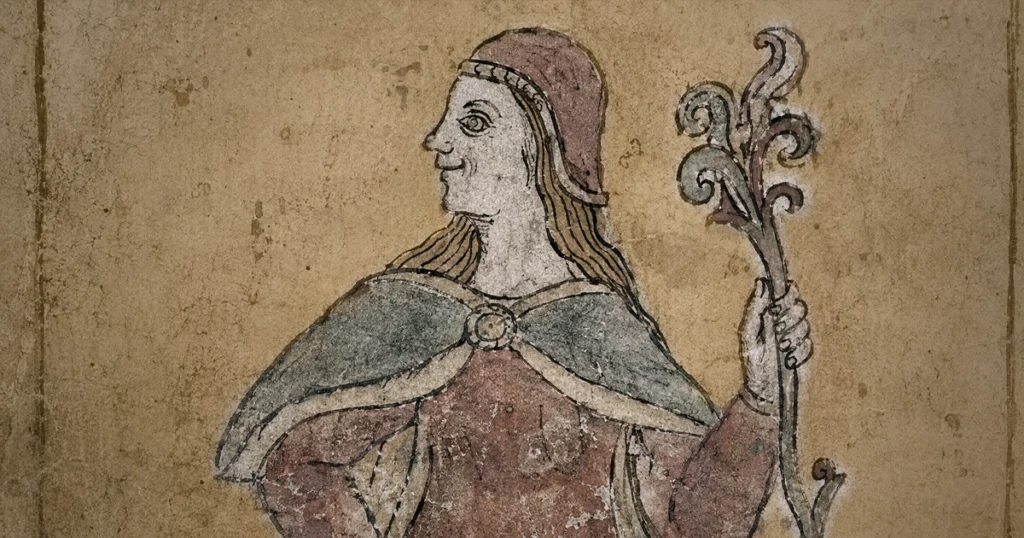
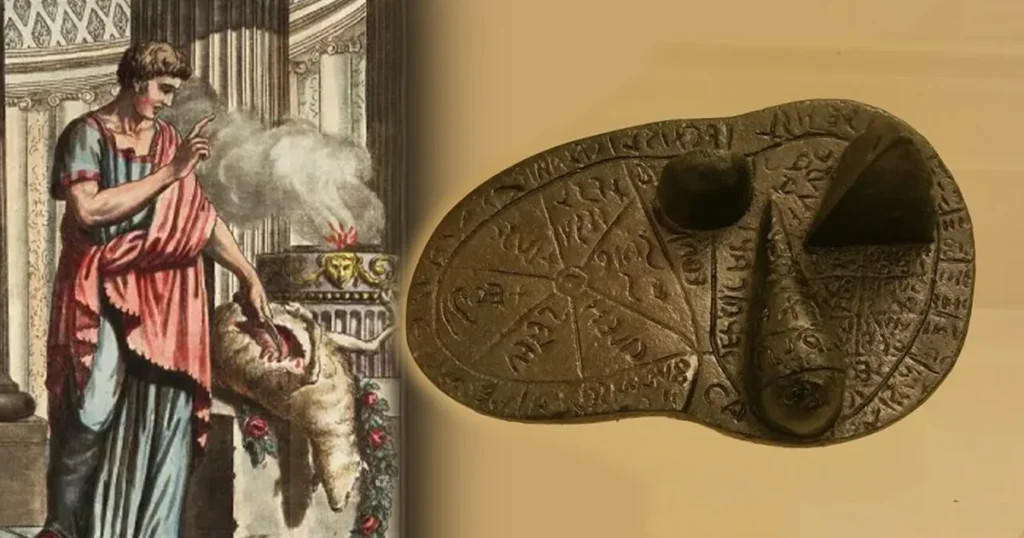
The Etruscans, living in what is now Tuscany before Rome absorbed their lands, developed haruspicy, the reading of animal organs to predict divine will. A haruspex, a trained priest, would sacrifice a sheep and examine its liver, believing this organ mirrored the heavens. The liver served as a map of divine territory: forty regions marked with deity names, each connecting to a constellation overhead. A blemish on the liver’s right side meant favor; on the left, disaster loomed.
The Bronze Liver from Piacenza
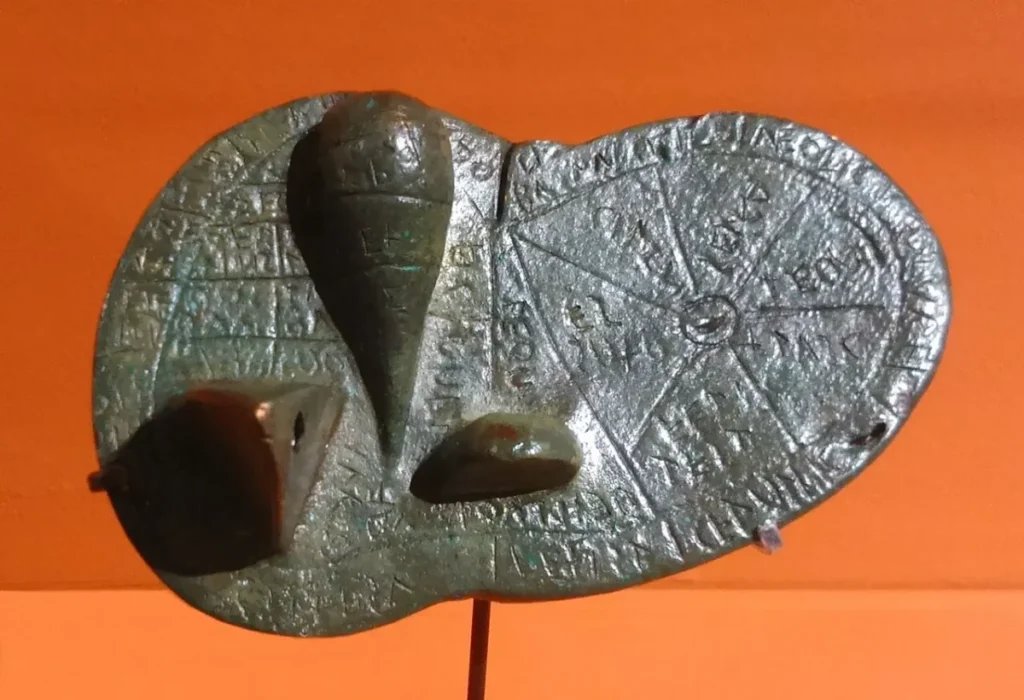
Farmers digging near Gossolengo in 1877 uncovered a bronze sheep liver inscribed with Etruscan letters. Cast in the second century BCE, the Liver of Piacenza divides its surface into sixteen sections, each bearing a god’s name. This training tool taught young haruspices where to look and which deities governed each zone. Historians compare it to a Babylonian clay liver from centuries earlier, proving that divination techniques traveled west along trade routes. The Piacenza model shows that Etruscan priests studied systematically, not haphazardly.
Origins in the Near East
Liver divination originated in Mesopotamia by 2000 BCE and spread to Greece before reaching Italy. Babylonian priests believed gods inscribed messages directly onto organs during the ritual moment. The Etruscans borrowed this concept but reshaped it: they saw the liver not just as a message board but as a living temple where deities dwelled. When a priest examined the organ, he read not external signs but the gods’ presence itself. This theological shift made Etruscan haruspicy more intense than its eastern counterpart.
The Practice in Roman Culture
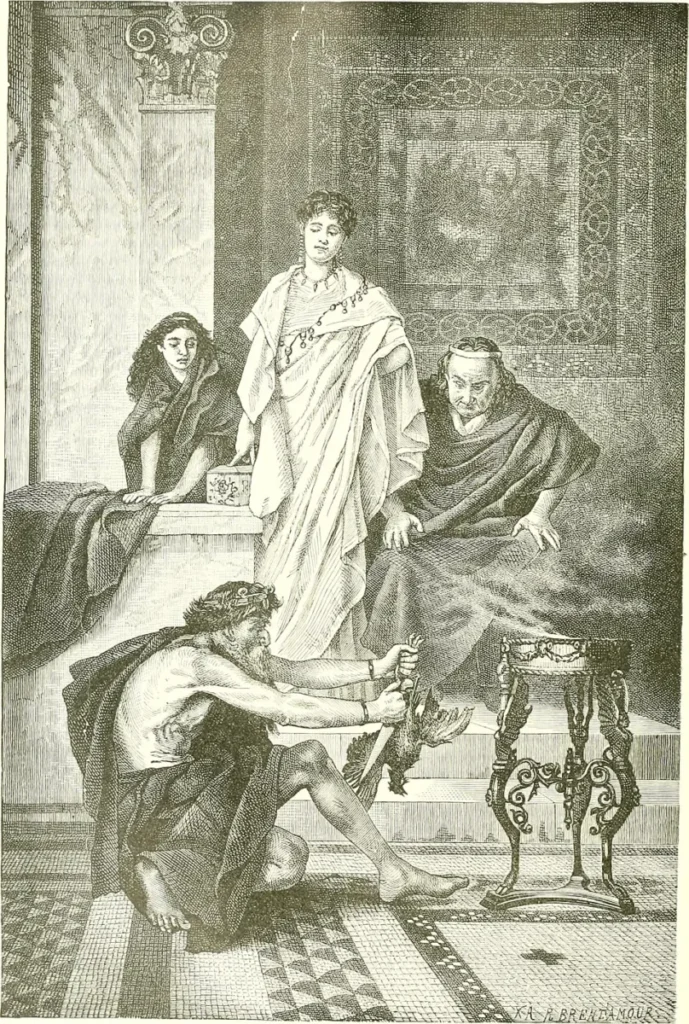
Rome hired Etruscan haruspices for state ceremonies and military campaigns, treating them as essential advisors. Before battle, a commander would sacrifice an animal and summon the haruspex. The priest opened the carcass, pulled out the steaming liver, and studied its color, texture, and markings. Romans watched in silence, waiting for the verdict. A healthy, symmetrical liver meant Jupiter approved the campaign. A diseased or misshapen organ demanded delay or retreat.
Haruspices also interpreted lightning strikes and unnatural events like two-headed calves. The Romans codified these methods in the Etruscan Discipline, a collection of sacred texts that prescribed responses to every omen. Though Rome conquered Etruria by the third century BCE, the conquerors preserved the conquered people’s religious expertise. Etruscan families held priesthoods across generations, passing down knowledge that even senators respected.
Enjoying Spoken Past?
I created Spoken Past to share my love of history. I research, write and develop everything myself, and I want my articles and basic guides to remain free for everyone.
If you enjoy my work, please consider supporting Spoken Past with a small donation.
Material Culture and Training
Tombs in Tarquinia depict haruspices holding bronze livers, their professional insignia. These images confirm that status came with the role: only educated elites could afford the training required to memorize the forty divine zones and their meanings. Apprentices studied bronze models like the Piacenza liver, learning to correlate organ geography with celestial events. Mistakes could cost lives, so precision mattered.
Archaeological finds include inscribed tablets listing omens and outcomes, creating a reference library for practicing priests. This archive shows that haruspicy relied on accumulated data, not improvisation. If a cracked liver predicted a military defeat in 300 BCE, priests recorded it. Future haruspices consulted these records when facing similar patterns, building a tradition rooted in historical precedent.
Augury and Bird Signs

While haruspices read organs, augurs watched birds to discern divine intent. Roman augury focused on flight patterns and calls, especially from vultures, eagles, and ravens. Vultures ranked highest because their scavenging habits gave them an almost prophetic ability to locate corpses before humans could. Soldiers believed vultures following an army signaled victory or death depending on direction and number. Romulus himself claimed kingship after twelve vultures appeared at his augury, outnumbering the six Remus saw.
The augur divided the sky into sections using a staff called a lituus. Birds flying through the eastern quadrants brought favorable omens; western birds meant caution. Sacred chickens, kept for quick consultations, provided a faster method. If the hens ate greedily and dropped grain, commanders knew the gods approved. Lazy hens meant trouble. One famous instance occurred before a naval battle in 249 BCE when the admiral threw the reluctant chickens overboard, declaring, “If they won’t eat, let them drink.” He lost the battle.
Comparative Systems Across Cultures
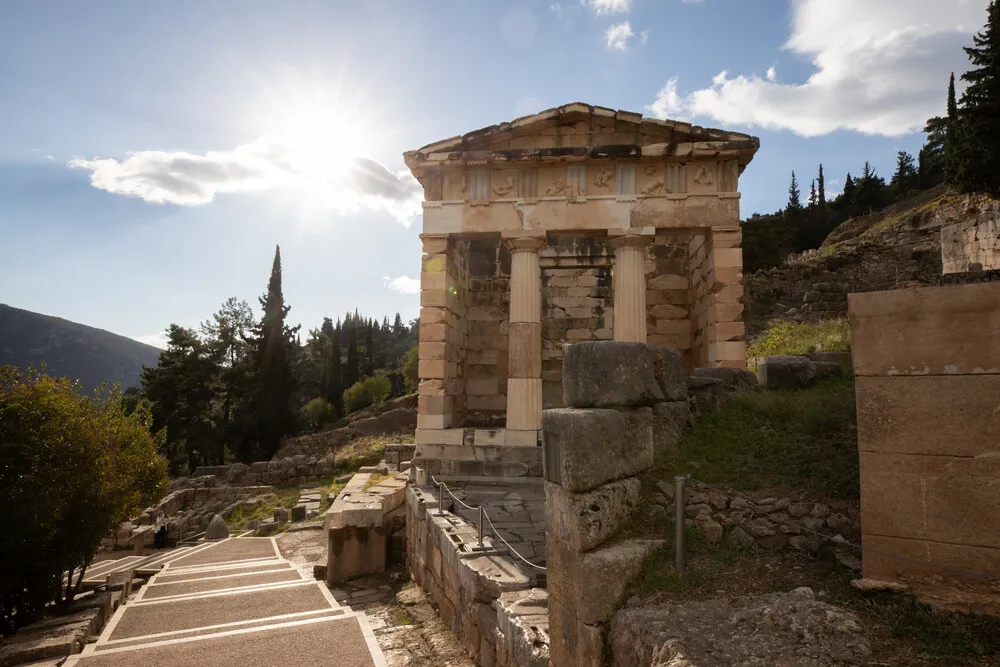
The Pythian Games at Delphi, held every four years starting in 582 BCE, celebrated Apollo’s slaying of the serpent Python. Unlike purely athletic festivals, the Pythian Games prioritized music competitions, including lyre playing and choral singing. Athletic events came later as the festival evolved, but musical contests remained central because Apollo governed both prophecy and art. Winners received laurel wreaths, not olive crowns like Olympic victors, distinguishing Delphi’s prizes.
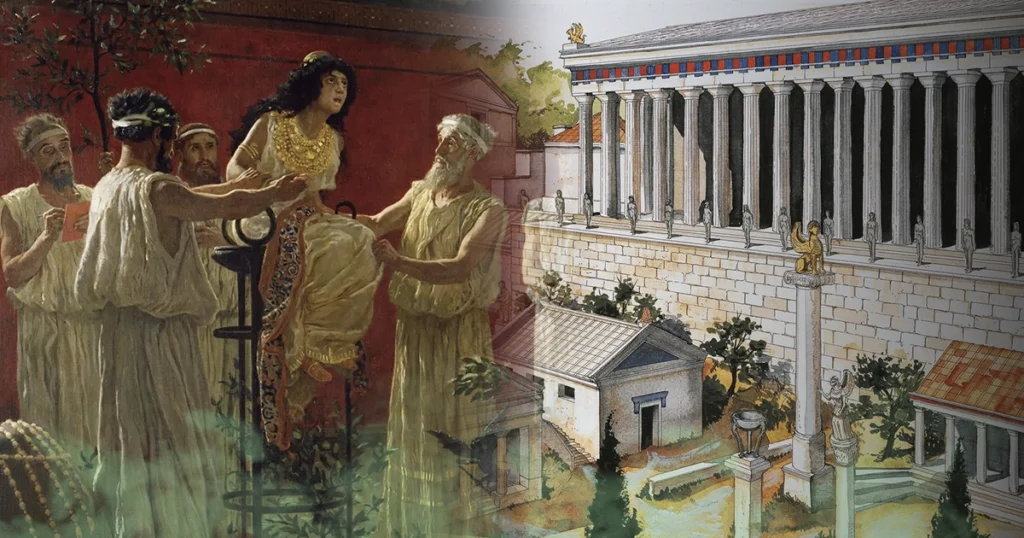
The Oracle of Delphi operated separately from the games but shared the sanctuary. The Pythia, a priestess, inhaled vapors rising from a chasm beneath the temple and delivered cryptic messages while in trance. Pilgrims traveled from across the Mediterranean to consult her, paying fees that funded Delphi’s wealth. Both the games and the oracle reinforced Apollo’s authority, blending physical competition, artistic excellence, and divine communication into one religious complex. This integration of disciplines made Delphi a cultural center rivaling Athens or Sparta.
Decline and Legacy
By the fourth century CE, Christian emperors banned pagan divination, closing temples and silencing haruspices. The bronze Piacenza liver survived only because someone buried it in a field, hiding it from destruction. Etruscan knowledge faded as priests aged without successors. Roman aristocrats who once consulted haruspices before every decision now faced excommunication for doing so. The shift happened within two generations.
Modern scholars use the Piacenza liver to reconstruct lost practices, comparing its inscriptions with literary descriptions from Cicero and Pliny. Museums display it alongside Babylonian models, illustrating how ideas moved across ancient empires. The liver’s survival offers a tangible link to a worldview where every organ held cosmic significance and priests could read the gods’ thoughts in blood and tissue.