
In 270 AD, King Endybis ordered the first gold coins struck in sub-Saharan Africa. These weren’t ceremonial trinkets or trade weights. They were official currency, minted to a precise half-aureus standard that matched Roman coinage circulating through Mediterranean ports. Aksum had announced itself not just as a regional power but as a participant in an intercontinental economic system stretching from the Nile to the Indian Ocean. Within a century, Aksumite merchants would dominate one of the ancient world’s richest trade corridors, funneling African ivory, gold, and incense toward Roman markets while importing silk, spices, and Persian textiles. The question isn’t whether Aksum grew wealthy. It’s how a highland kingdom in the Horn of Africa seized control of maritime routes and held them for centuries.
Location Between Three Continents
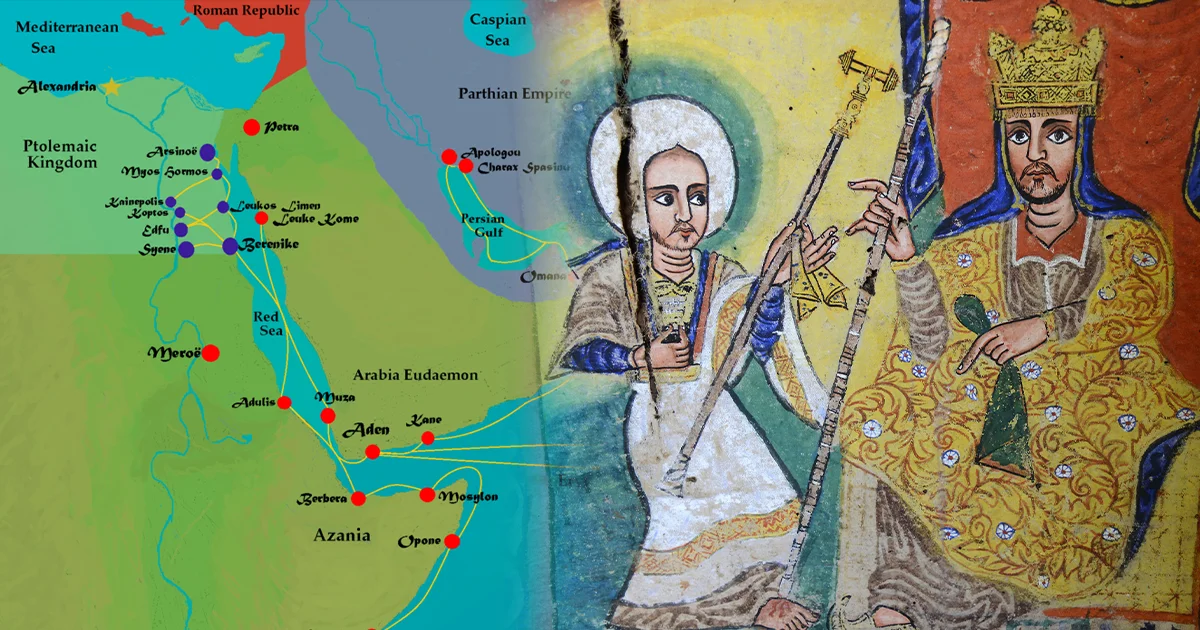
Aksum occupied the Ethiopian highlands, covering parts of modern Eritrea and northern Ethiopia. The capital sat roughly 120 miles inland from the Red Sea, connected to the coast by caravan routes that crossed the Afar salt plains. This wasn’t a coastal empire. It was a highland state that projected power downward to the sea through its port at Adulis, positioned on the western shore of the Red Sea.
Adulis served as the empire’s commercial gateway. Ships arriving from Egypt, Arabia, and India anchored there to exchange goods. The port linked Aksum to the maritime trade network connecting the Roman Empire and the Indian subcontinent. Around 100 BCE, merchants discovered how to use monsoon winds to sail directly across the Arabian Sea to southern India, bypassing older coastal routes. Aksum’s control of Adulis placed it at the center of this transformed system, allowing it to dominate Red Sea trade for the next several centuries.
The highlands themselves produced wealth. Fertile soil supported wheat, barley, cattle, sheep, and camels. Wild elephants roamed regions south of Aksum, and hunters supplied ivory that Roman workshops carved into luxury items. The empire also controlled gold deposits, though the exact locations remain debated. Southern Sudan, Gojjam, Beja territories, and possibly Zimbabwe all contributed gold to Aksumite coffers through trade or direct extraction.
Exports That Built an Empire
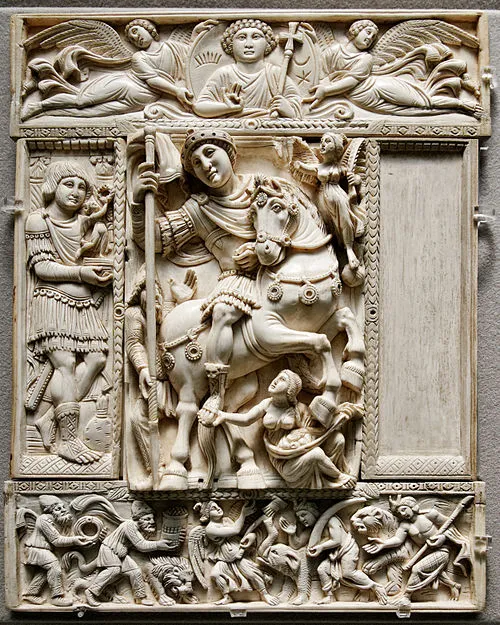
Aksum’s economy rested on commodities that Mediterranean and Asian markets demanded. Ivory topped the list. Roman artisans used African elephant tusks to create decorative panels, furniture inlays, and sculptures. Aksumite merchants shipped tusks through Adulis to Egyptian ports, then onward to Rome and Byzantium. The scale of this trade was massive, supporting entire workshops in Italian cities.
Gold flowed through Aksumite hands even when it didn’t originate in Aksumite territory. Trade networks reaching into southern Sudan and deeper African regions funneled gold northward. Aksumite traders purchased it, refined it, and either exported it as bullion or minted it into coins.
The state controlled gold supply tightly, as the 6th-century traveler Cosmas Indicopleustes noted. This allowed Aksum to maintain coin purity and regulate its value. No other African state south of the Sahara minted coins in ancient times, giving Aksum unique economic leverage.
Frankincense and myrrh grew in the arid regions of southern Arabia and the Horn of Africa. Both resins were essential in religious rituals across the Mediterranean and Near East. Roman temples burned frankincense as offerings, while Egyptian embalmers used myrrh in mummification. Aksumite merchants traded these aromatics alongside African goods, profiting from their ritual significance and the limited regions where they grew naturally.
The Imports That Followed
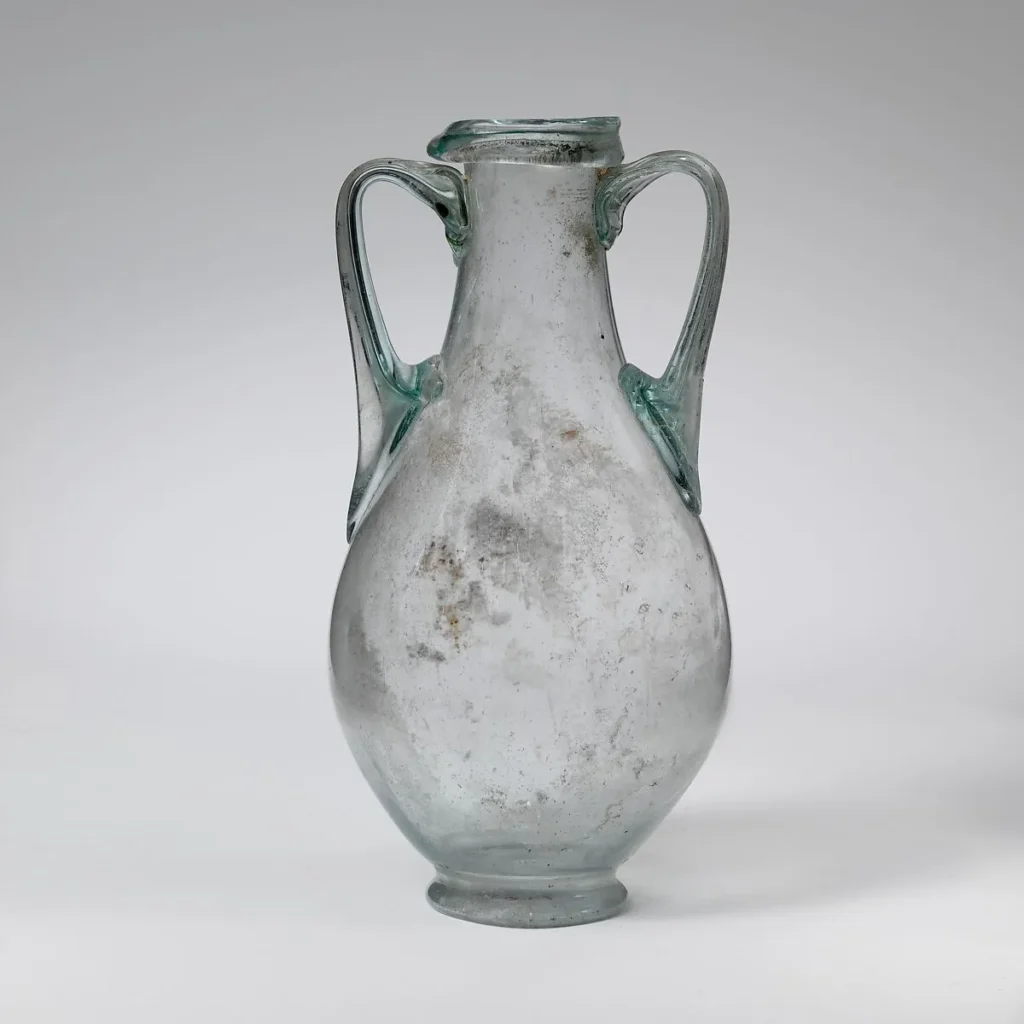
Aksum imported luxury goods that signaled status and connected the empire to distant cultures. Silk arrived from China via Indian Ocean routes, carried by merchants who stopped at Adulis. Roman and Persian traders brought fine textiles, glassware, and wine. Spices from India, including pepper and cinnamon, reached Aksumite tables through the same networks that carried African exports eastward.
Silver and copper weren’t abundant in Aksumite territory. The Periplus of the Erythraean Sea, a 1st-century guide to Indian Ocean trade, lists silver as an import to the region. Yet Aksum minted silver coins in large quantities, suggesting either undiscovered local sources or extensive importation.
Some silver may have come from refining gold, which naturally occurs with silver in an alloy called electrum. Copper and bronze also arrived from abroad, used for coinage and metalwork. The ability to import these metals and convert them into standardized currency demonstrated Aksum’s sophisticated economic infrastructure.
These imports weren’t purely utilitarian. They represented Aksum’s integration into a wider world. A merchant in Aksum could wear Chinese silk, drink wine from a Roman amphora, and season food with Indian pepper, all purchased through the trade networks Adulis anchored.
Coinage as Political Statement
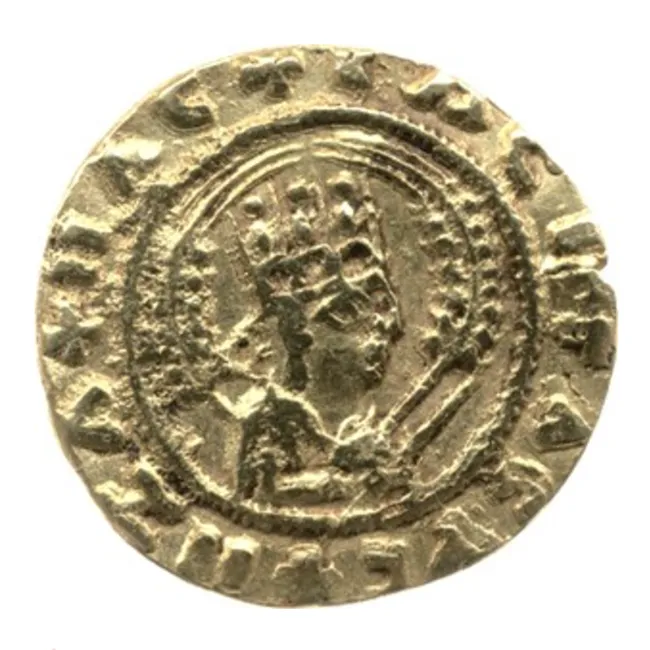
When Endybis minted Aksum’s first coins around 270 AD, he chose a trimetallic system: gold, silver, and bronze. This mirrored the Roman currency reform of 294 AD under Diocletian, which standardized the aureus, argenteus, and nummus. Aksumite gold coins weighed approximately 2.7 grams, exactly half a Roman quinarius. Later issues adjusted to match the solidus introduced around 324 AD, settling at 2.25 grams.
Greek inscriptions appeared on gold coins, the language of international commerce. Silver and bronze coins bore Ge’ez script, Aksum’s written language, intended for domestic circulation. This linguistic split reveals the coins’ purpose. Gold coins facilitated Red Sea trade with Greek-speaking merchants from Egypt, Byzantium, and Arabia. Bronze and silver coins served local markets, connecting highland farmers to urban centers.
Coin designs evolved with the empire’s religious identity. Early coins depicted kings wearing elaborate crowns, holding staffs or scepters, with pagan symbols like the sun and crescent. After King Ezana converted to Christianity between 330 and 340 AD, coins began featuring crosses.
Ezana became the first ruler in history to place a Christian symbol on official currency. This wasn’t subtle. It broadcast Aksum’s new religious alignment to every merchant who handled its coins, signaling a shift in diplomatic alliances and trade partnerships.
Built out of a love for history, kept free from distractions.
Spoken Past is an independent project shaped by curiosity, care, and long hours of research. Reader support helps keep it maintained, carefully researched, and open to everyone.
Christianity and Trade Strategy
Ezana’s conversion wasn’t a private spiritual decision. It was a political move tied to trade. The Roman Empire had embraced Christianity under Constantine the Great, and Byzantium followed. By adopting the same religion, Ezana strengthened diplomatic and commercial ties with Aksum’s largest trading partner. Shared religious identity eased negotiations, built trust, and opened doors at Byzantine ports.
The story of Aksum’s conversion centers on Frumentius, a youth from Tyre who was shipwrecked and brought to the Aksumite court. He sought out Christian Roman merchants, converted, and eventually became Aksum’s first bishop. Whether this account is fully accurate or not, it underscores Christianity’s arrival through trade networks.
Merchants carried more than goods. They carried ideas, beliefs, and cultural practices that reshaped the societies they touched. Christianity also served as a unifying force within the empire. Aksum ruled over diverse ethnic and linguistic groups scattered across highlands and lowlands. A shared religion helped bind them to the state, creating common institutions and rituals that transcended local identities.
Naval Dominance and Route Control
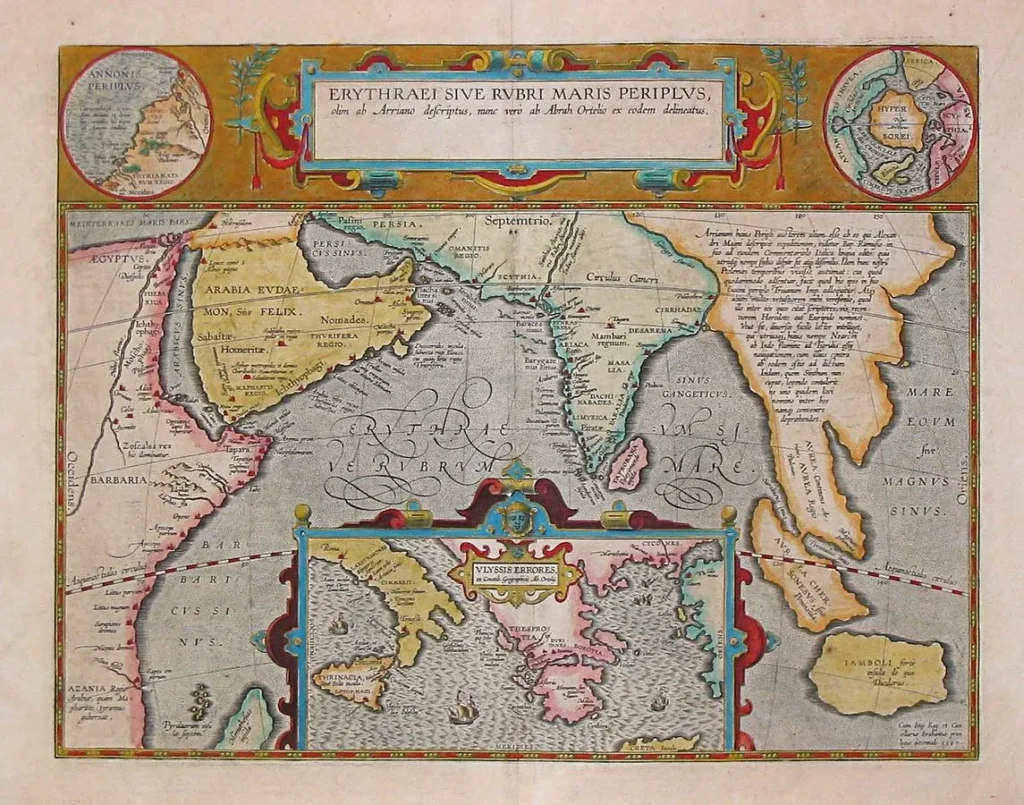
Aksum didn’t just participate in Red Sea trade. It dominated it. During the 2nd and 3rd centuries, the kingdom expanded control over the southern Red Sea basin. A caravan route to Egypt bypassed the Nile entirely, running through Aksumite territory. This gave Aksum leverage over the flow of African goods into Roman markets, allowing it to set prices and terms.
Aksumite naval power backed this economic control. Ships based at Adulis protected merchant vessels, policed piracy, and projected Aksumite authority across the Red Sea to the Arabian coast. The empire held territories in Yemen, securing both sides of the southern Red Sea entrance. This choke point allowed Aksum to tax or block competing trade routes, ensuring that merchants used Aksumite ports and paid Aksumite fees.
Rome depended on Aksum for African goods. Ivory, gold, incense, and exotic animals couldn’t easily be sourced elsewhere in the quantities Roman markets demanded. Aksumite merchants leveraged this dependency, maintaining high prices and controlling supply. The empire became the principal supplier of African commodities to the Roman world, a position it held for centuries and which generated enormous wealth for the highland kingdom.
Urban Wealth and Infrastructure
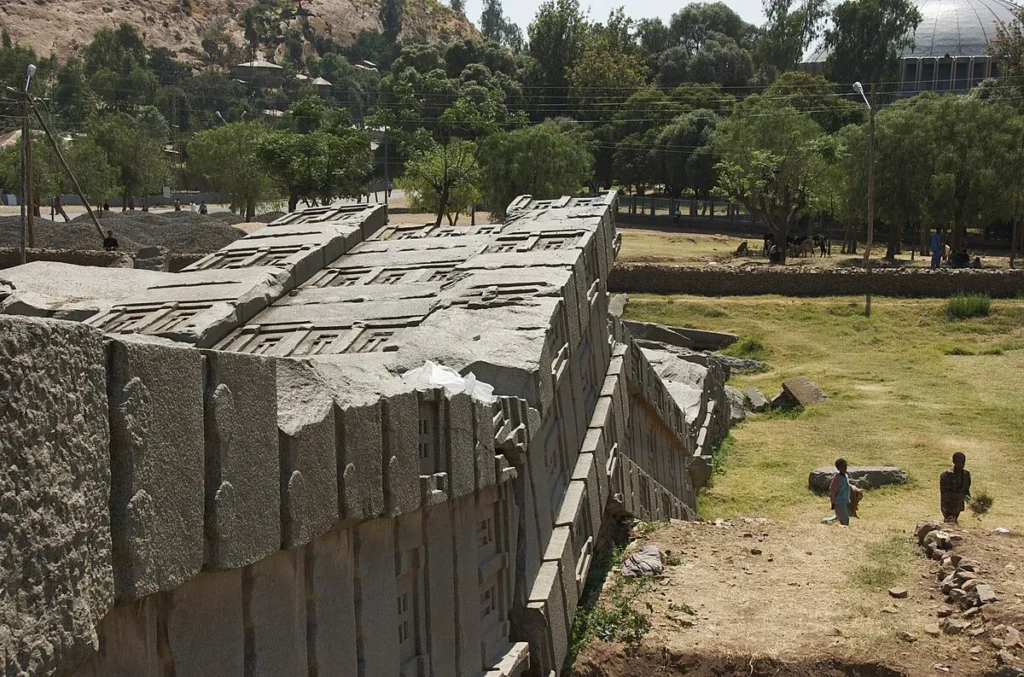
Aksum’s prosperity showed in its urban centers. The capital city featured towering stone stelae, some reaching over 20 meters high, carved from single blocks of granite. These monuments required immense labor and resources, possible only in a wealthy, centralized state. Palaces, temples, and public buildings filled the city, constructed from stone rather than the mud brick common in other African regions.
Coin production itself demonstrated wealth. Minting required gold, silver, and bronze in large quantities, plus skilled artisans to strike consistent designs. The quality remained high throughout Aksum’s history.
Gold purity rarely dropped below 90 percent, and even later issues maintained this standard. The empire’s ability to sustain such production for centuries indicates continuous access to precious metals through trade and mining operations.
Population growth followed economic expansion. Aksum supported a large urban population, unusual for sub-Saharan Africa at the time. Trade brought not just wealth but people. Merchants, artisans, laborers, and slaves flowed into the empire, drawn by opportunity. Markets buzzed with languages from across the Red Sea world: Greek, Ge’ez, Arabic, and Indian dialects. This cosmopolitan character reflected Aksum’s position as a crossroads between Africa, Arabia, and the wider Mediterranean world.
Decline and Shifting Networks
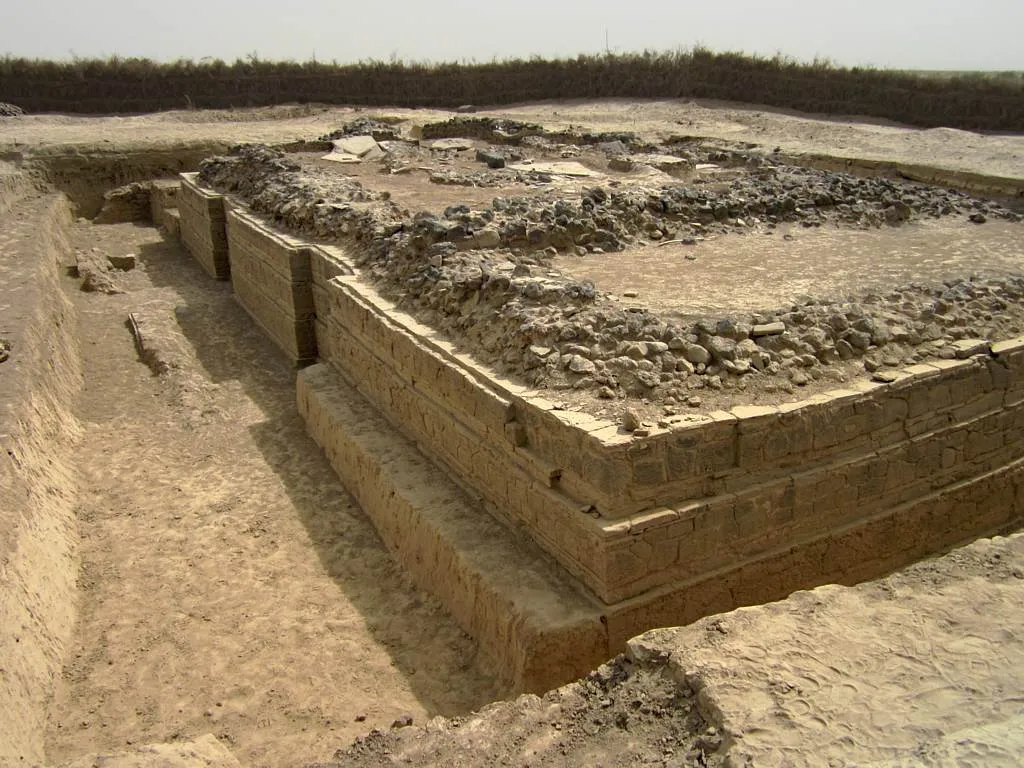
Aksum’s dominance didn’t last forever. By the 7th century, the rise of Islam transformed Red Sea trade. Muslim merchants established competing networks, and Aksum’s Christian identity became a liability rather than an asset in an increasingly Islamic commercial world. Persian and Arab traders bypassed Adulis, dealing directly with ports along the Arabian coast. The routes that had enriched Aksum for centuries now flowed around it.
Environmental changes also played a role. Soil erosion and deforestation reduced agricultural productivity in the highlands. The population that trade had supported couldn’t be sustained without surplus grain. Political fragmentation followed economic decline. Outlying regions broke away, and the capital’s authority shrank to a fraction of its former reach.
By the 10th century, Aksum had ceased to be a major power. Its coinage stopped circulating. Trade routes shifted southward along the East African coast, where Swahili city-states rose to prominence. The empire that once controlled the Red Sea trade became a highland kingdom, isolated from the commercial networks that had built it.