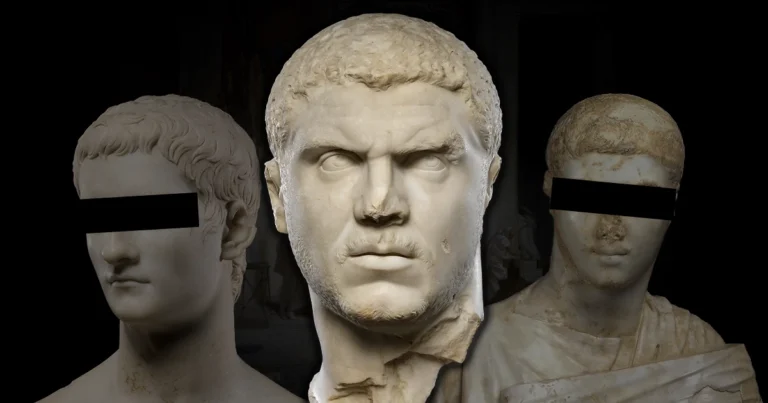

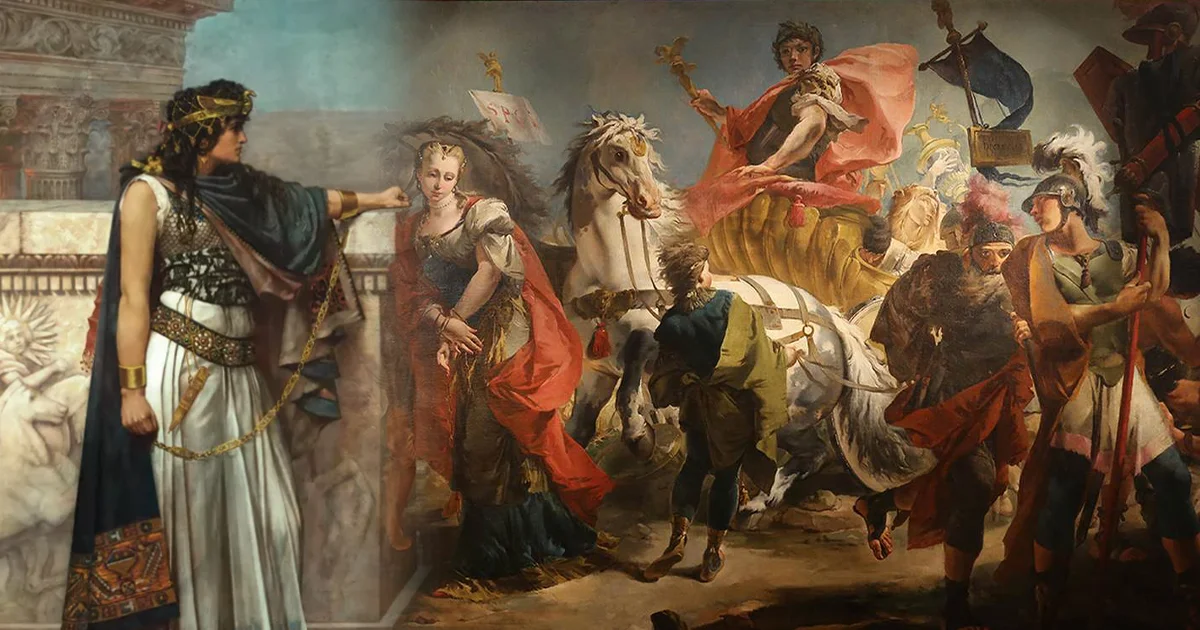
The Palmyrene Empire lasted barely five years, yet Zenobia’s audacious realm annexed Egypt, carved through Asia Minor, and forced Rome to deploy its best general to crush the rebellion. Between 267 and 272 AD, this Syrian trading hub transformed into an independent power that seized some of Rome’s wealthiest eastern provinces. The crisis exposed Rome’s fragility during the chaotic third century when emperors rose and fell with alarming speed.
Syria’s Caravan Crossroads
Palmyra sat at the intersection of trade routes linking the Mediterranean to Persia, India, and Arabia. Merchants moved silk, spices, gems, and incense through the desert oasis, enriching Palmyrene families who controlled the caravans. The city’s strategic location made it valuable to Rome, which granted Palmyra semi-autonomous status as a client state. By the mid-third century, Palmyrene soldiers and merchants had become indispensable to Roman interests in the east.
The city developed a distinct culture blending Aramaic, Greek, and Arab influences. Palmyrene aristocrats built elaborate tower tombs decorated with limestone reliefs depicting the deceased in Roman-style clothing with local jewelry and hairstyles. Inscriptions appeared in both Palmyrene Aramaic and Greek, reflecting the cosmopolitan character of this desert metropolis. The Palmyrene Empire would later draw on this cultural synthesis to legitimize its rule over diverse populations.
Odaenathus Defeats Persia
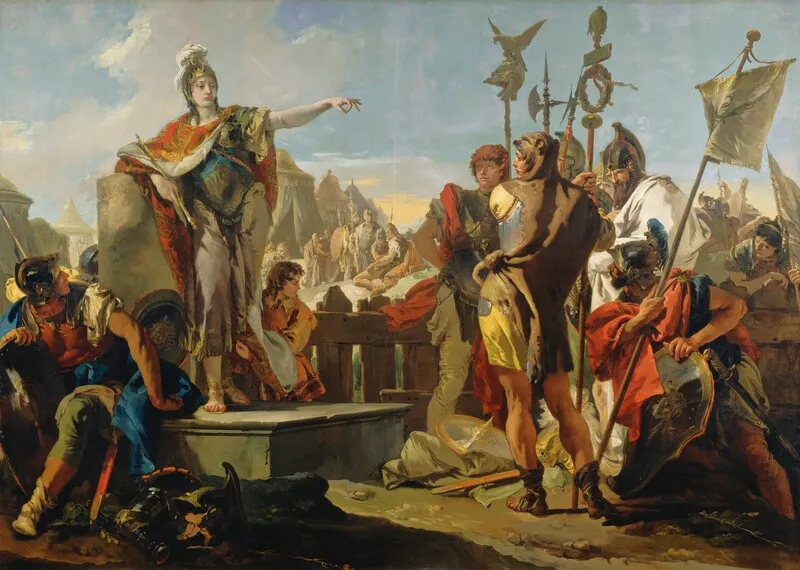
King Odaenathus rose to prominence after the Persian Sassanid emperor Shapur I captured Roman emperor Valerian in 260 AD. The humiliating defeat left Rome’s eastern frontier exposed to Persian raids. Odaenathus assembled Palmyrene forces and launched a counteroffensive that pushed the Persians back across the Euphrates. He recaptured Mesopotamian cities and restored Roman control over the eastern provinces.
Rome rewarded Odaenathus with unprecedented titles and authority. Emperor Gallienus recognized him as “corrector of the whole East” and “king of kings,” granting him supreme military command over Rome’s eastern territories. The Palmyrene Empire effectively functioned as Rome’s eastern military bulwark, though technically remaining a client state. Odaenathus minted coins bearing both his image and that of the Roman emperor, maintaining the fiction of subordination.
Zenobia Becomes Regent
Odaenathus and his eldest son Hairan died in 267 AD, likely assassinated during a family dispute or political conspiracy. Zenobia immediately assumed power as regent for her young son Vaballathus. Unlike typical Roman client queens who served as placeholders, Zenobia took direct command of Palmyra’s military and diplomatic affairs. She surrounded herself with Greek intellectuals, including the philosopher Longinus, and cultivated an image as a warrior-queen descended from Cleopatra.
Zenobia maintained cordial relations with Rome initially, minting coins that honored both Vaballathus and Emperor Claudius II. She understood that open rebellion would provoke immediate retaliation. Instead, she consolidated power within Palmyra’s territories, strengthened the army, and waited for the right moment to expand. The Palmyrene Empire existed in a gray zone between independence and submission, exploiting Rome’s preoccupation with Germanic invasions and civil wars.
Egypt Falls to Palmyra
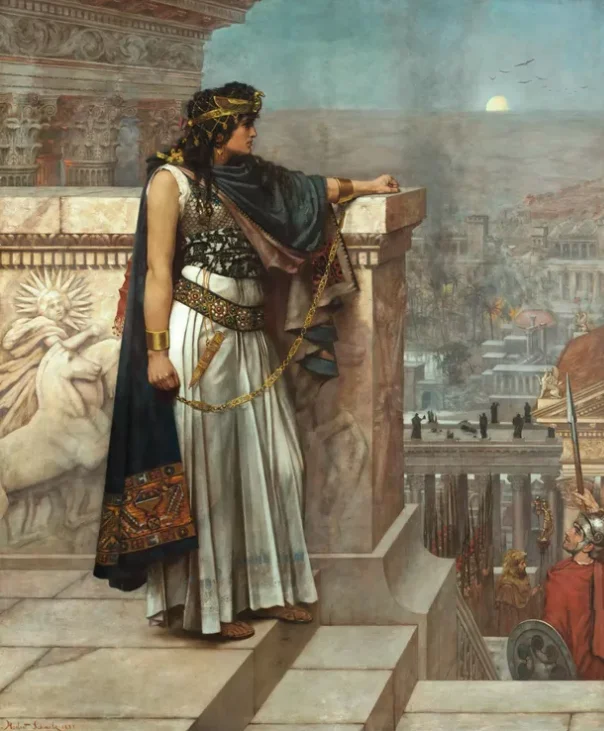
In 270 AD, Zenobia ordered her general Zabdas to invade Egypt. Palmyrene forces quickly overwhelmed the Roman garrison and occupied Alexandria, Rome’s crucial grain supplier. The conquest gave the Palmyrene Empire control over Egypt’s agricultural wealth and Mediterranean ports. Zenobia installed a Palmyrene prefect and began minting coins in Alexandria with her son’s image, though still nominally acknowledging Roman suzerainty.
The Egyptian campaign proved that Palmyrene forces could defeat Roman legions in open combat. Zabdas employed a mix of Palmyrene heavy cavalry, Arab light cavalry, and Armenian archers that outmaneuvered the slower Roman infantry. The victory emboldened Zenobia to push further, and Palmyrene armies advanced through Arabia Petraea and Judaea. Within months, the Palmyrene Empire controlled territories from central Anatolia to the Nile Delta.
Annexing Asia Minor
Palmyrene expansion continued northward through Syria and into Anatolia. Zenobia’s forces captured Antioch, one of the empire’s largest cities, and occupied much of Asia Minor’s southern coast. Local populations often welcomed Palmyrene rule as preferable to the chaos of Roman civil wars and barbarian raids. The Palmyrene Empire offered stability, maintained trade routes, and showed religious tolerance toward Christians and Jews.
By 271 AD, Zenobia controlled approximately one-third of Rome’s territory and tax revenue. She renamed her son Imperator Caesar Augustus and took the title Augusta, declaring the Palmyrene Empire fully independent from Rome. This explicit break forced the new emperor Aurelian to respond. He could not allow such a wealthy and strategic region to remain outside Roman control without inviting further fragmentation of the empire.
Built out of a love for history, kept free from distractions.
Spoken Past is an independent project shaped by curiosity, care, and long hours of research. Reader support helps keep it maintained, carefully researched, and open to everyone.
Palmyrene Administration and Economy
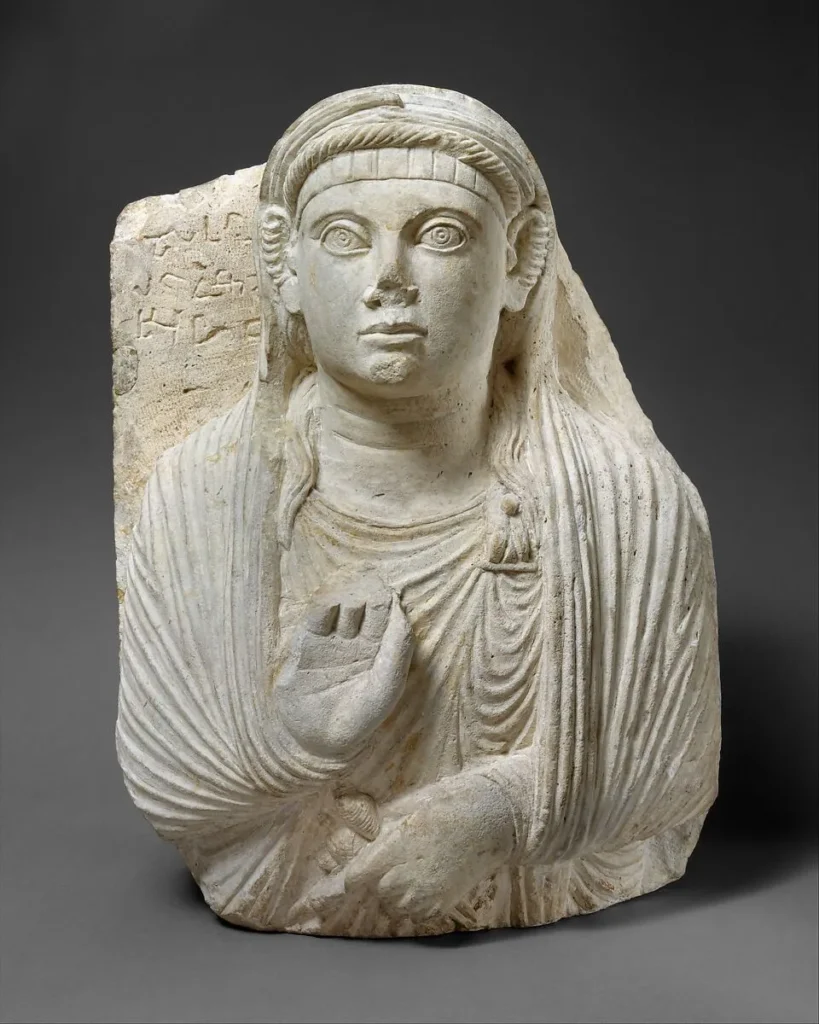
The Palmyrene Empire maintained the existing Roman administrative structure but placed Palmyrene officials in key positions. Zenobia appointed loyal governors to manage Egypt, Syria, and captured Anatolian territories. She kept Roman tax collection systems functioning, understanding that revenue funded her military campaigns. The Palmyrene Empire minted coins in multiple cities, displaying Zenobia and Vaballathus alongside traditional Roman imagery to ease the transition.
Zenobia’s court in Palmyra became a center of Greek learning and Aramaic culture. She invited philosophers, poets, and historians to her palace, modeling herself after Hellenistic monarchs. The Palmyrene Empire promoted trade by protecting caravan routes and maintaining diplomatic relations with Persia. Despite the political break with Rome, the Palmyrene Empire preserved Roman legal codes and municipal governance, minimizing disruption to daily life in conquered territories.
Cultural Identity and Language
The Palmyrene Empire’s bilingual character strengthened its appeal across the diverse eastern provinces. Official inscriptions appeared in both Greek and Palmyrene Aramaic, ensuring communication with both Hellenized urban populations and Semitic-speaking rural communities. Zenobia herself reportedly spoke Aramaic, Greek, Egyptian, and Latin, embodying the cosmopolitan identity of her realm. This multilingual administration helped the Palmyrene Empire govern territories with different linguistic and cultural traditions.
Religious policy reflected similar pragmatism. Zenobia honored traditional Palmyrene deities like Bel and Yarhibol while showing respect for Egyptian gods and Christian communities. The Palmyrene Empire avoided religious persecution, recognizing that tolerance facilitated control over conquered populations. Palmyrene soldiers worshipped diverse gods, and the army included Arabs, Armenians, and even disaffected Roman troops who saw better opportunities under Zenobia’s command.
Aurelian’s Counteroffensive
Emperor Aurelian, a hardened military commander, assembled an army and marched east in 272 AD. He first secured the Danube frontier, then moved through Anatolia toward Syria. Aurelian’s forces met Palmyrene armies at Immae near Antioch in spring 272. The Romans feigned retreat, drawing the Palmyrene heavy cavalry into a chase that exhausted their horses. Aurelian’s cavalry then turned and destroyed the disorganized Palmyrene forces.
Zenobia retreated to Antioch, but Aurelian pursued relentlessly. A second battle at Emesa resulted in another Palmyrene defeat when Roman infantry held firm against cavalry charges. The Palmyrene Empire’s military strength collapsed within weeks, and Zenobia fled to Palmyra itself. Aurelian’s swift campaign demonstrated that even capable client kingdoms could not match Rome’s professional legions when properly commanded and supplied.
The Siege of Palmyra
Aurelian surrounded Palmyra and cut off its supply routes. The city’s desert location made prolonged resistance difficult without access to external resources. Zenobia attempted to escape to Persia to seek military aid, but Roman cavalry captured her near the Euphrates. Without their queen, Palmyrene resistance crumbled, and the city surrendered. Aurelian initially showed mercy, sparing the population and leaving the city intact.
The Palmyrene Empire officially ended in autumn 272 AD. Aurelian installed a Roman garrison and restored imperial administration over the conquered territories. Egypt’s grain shipments to Rome resumed, and tax collection returned to imperial control. The five-year experiment in eastern independence had failed, though it exposed Rome’s vulnerability during the third century crisis.
Zenobia’s Capture and Exile
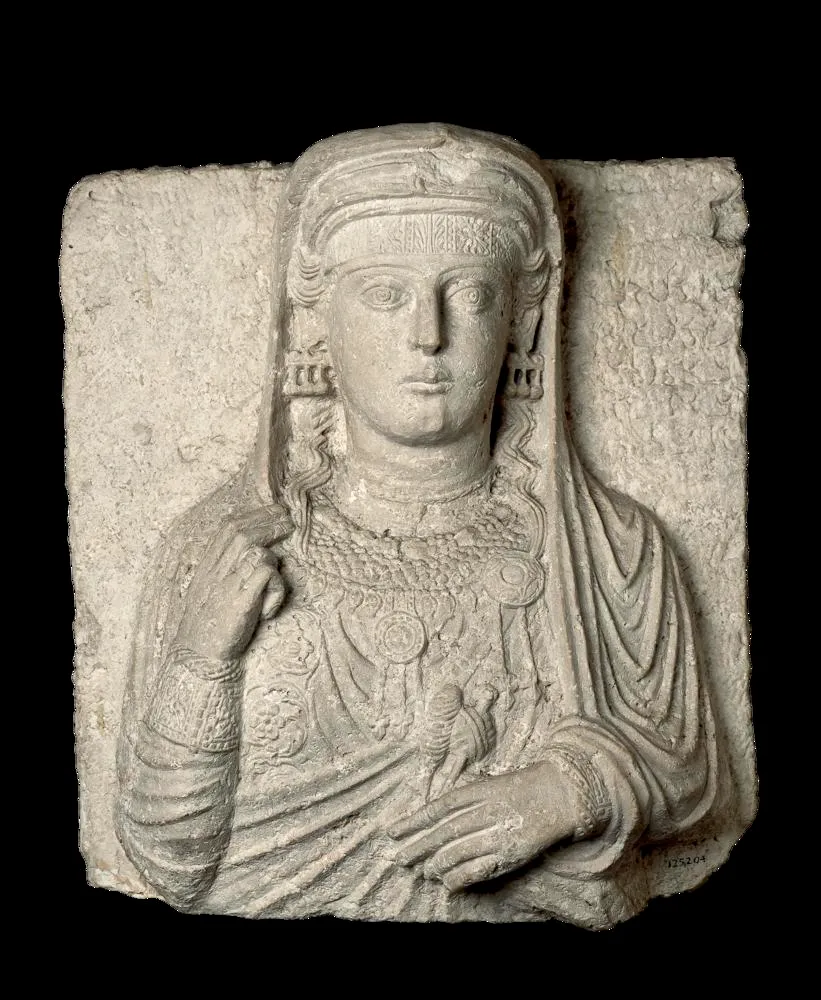
Roman sources claim Aurelian paraded Zenobia through Rome in golden chains during his triumph in 274 AD. The spectacle served as propaganda, demonstrating Rome’s restored strength after decades of crisis. Zenobia’s ultimate fate remains unclear; some accounts suggest she retired to a villa near Tivoli, while others claim she died shortly after the triumph. The Palmyrene Empire disappeared from history, but Zenobia’s reputation as a warrior-queen endured.
Palmyra rebelled again in 273 AD after Aurelian left, massacring the Roman garrison. Aurelian returned and destroyed the city, razing its buildings and slaughtering the population. The magnificent desert metropolis never recovered its former glory. Rome had eliminated the Palmyrene Empire as both a political entity and a potential future threat, ensuring no other client state would dare challenge imperial authority so boldly.