

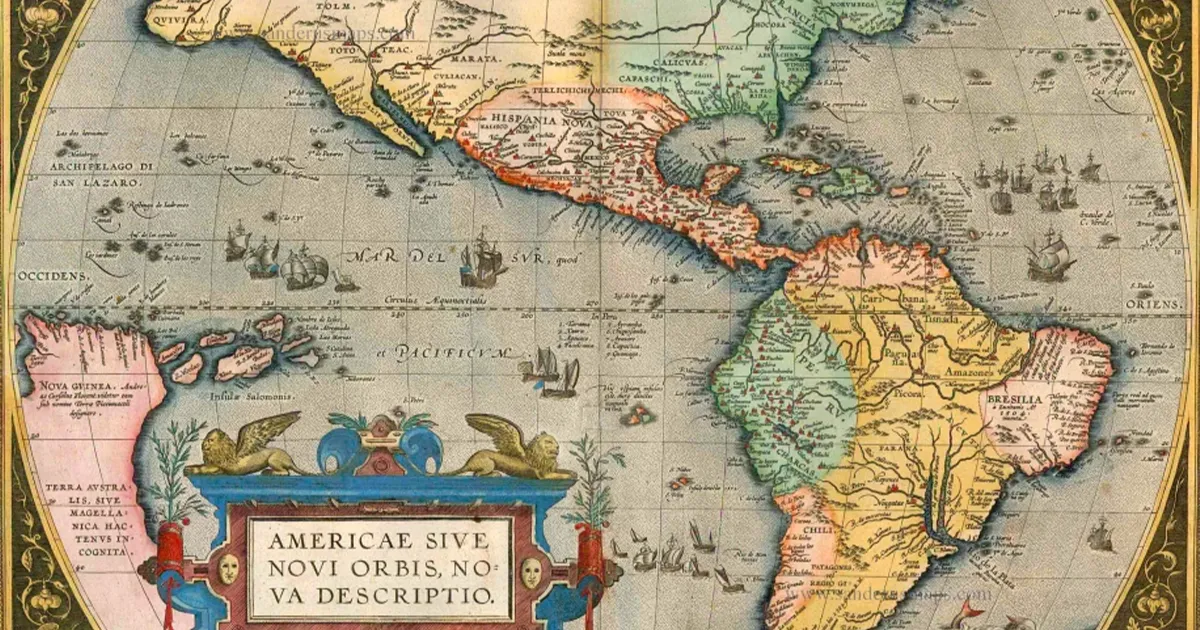
Every few years a dramatic headline resurfaces: chemical analysis of Roman pottery proves they made it to the Americas a thousand years before Columbus. It is a gripping idea. Mediterranean merchants pushing past the Straits of Gibraltar, catching the trade winds west, washing up on an unfamiliar shore and leaving a jar behind. The question of whether Romans reached America has circulated in popular history for decades, kept alive by a handful of recurring claims and a genuine public appetite for stories that overturn what we think we know. The problem is not that the chemistry is bad. Roman ceramics are among the most thoroughly studied objects in the archaeological record, and the methods used to source and analyse them are genuinely powerful. The problem is the gap between what chemical analysis can demonstrate and what the claims built on it actually require. This post examines that gap directly: what the science does, what it cannot do alone, what real proof would look like, and why the most famous case, Roman jars in Guanabara Bay, does not come close to meeting that standard.
What chemical analysis of Roman pottery actually does
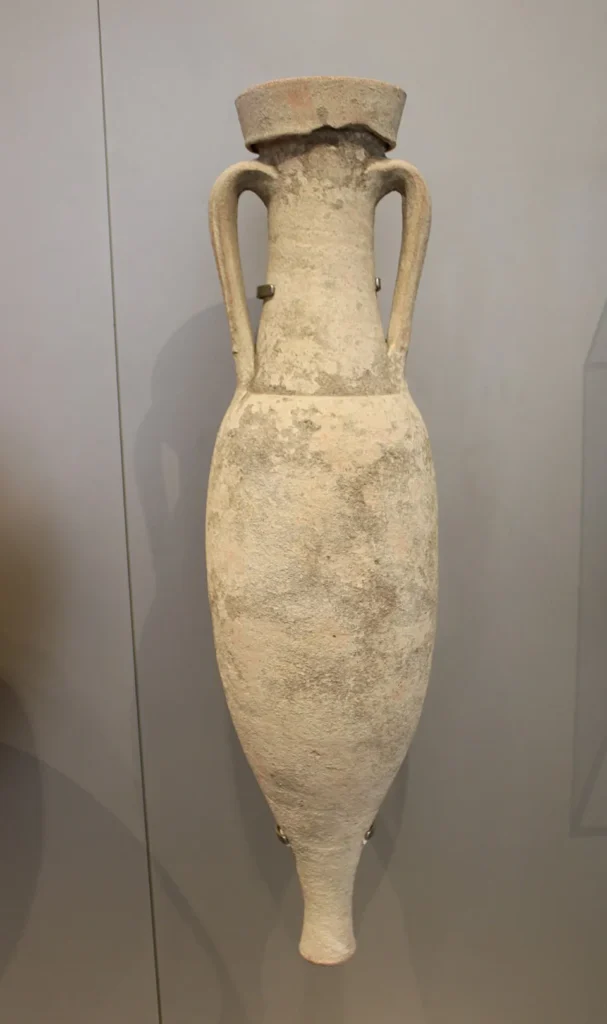
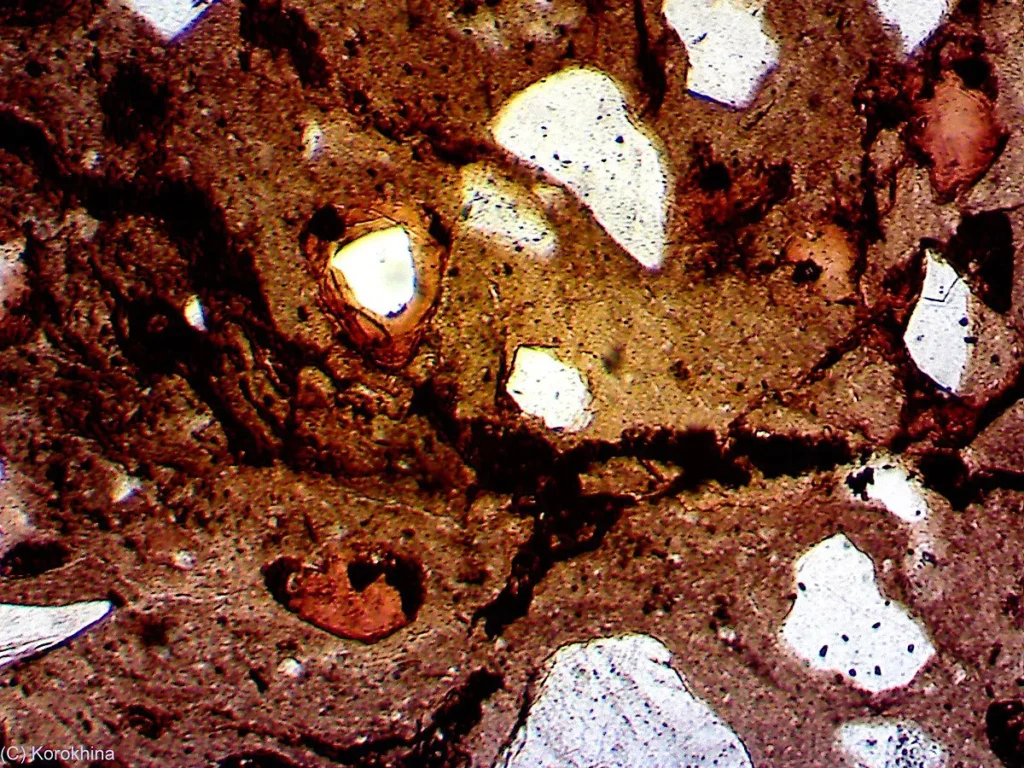
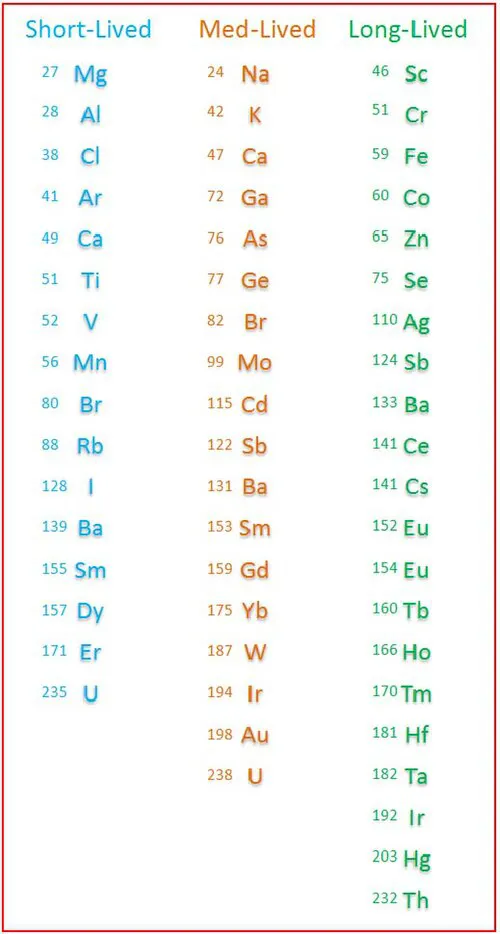
Archaeologists use several complementary techniques to determine where a pot was made and what it once carried. Instrumental Neutron Activation Analysis, known as INAA, measures trace elements in the clay body at extremely low concentrations. Because different geological sources have distinct elemental signatures, INAA can group sherds by place of origin with strong statistical confidence when a robust reference database exists. It is the standard method for sourcing Mediterranean ceramics and has been applied to hundreds of thousands of sherds across the Roman world. X-ray fluorescence, or XRF, provides similar elemental fingerprints and is particularly powerful when paired with petrographic analysis, the examination of thin sections of pottery under polarised light to identify the mineral inclusions and temper materials that link a vessel to specific clays and manufacturing traditions. Together these methods can place an amphora’s clay in Baetica in southern Spain, in Campania in Italy, on the North African coast, or in dozens of other production zones with a precision that was unimaginable fifty years ago.
Residue analysis adds a second layer of information. Gas chromatography and mass spectrometry, GC-MS, can identify organic compounds absorbed into the walls of a vessel over its working life. Wine leaves tartaric acid and polyphenols. Olive oil leaves a characteristic fatty acid profile dominated by palmitic and oleic acids. Fish products leave peptide fragments. Pine pitch, used to line amphorae and seal their contents, leaves terpene biomarkers. A well-preserved Roman amphora can carry enough residue to identify not only the broad category of its contents but the specific preparation method, the region of production, and in some cases the additives used. Researchers at the University of Barcelona published a landmark open-access study in the Journal of Archaeological Science: Reports in 2020 demonstrating the full range of these methods applied to late Roman amphora assemblages from the western Mediterranean, confirming how precisely the combined approach can reconstruct ancient cargo.
All of this is genuine and remarkable. Notice, however, what these methods answer and what they do not. Chemistry tells you where a pot was made and what was in it. It does not independently record where the pot ended up, when it arrived at that location, or how it got there. For those questions, you need archaeological context: a secure findspot, a dateable layer, a documented chain of custody from the moment of discovery to the laboratory. Without context, chemistry is powerful but ambiguous. A sherd that INAA places in Baetica is consistent with Roman trade to northern Europe, with post-medieval ballast dumped in a harbour, with a replica made in the twentieth century, and with a museum discard. The chemistry cannot distinguish between these possibilities on its own.
What real proof that Romans reached America would require
The standard of evidence required to demonstrate a Roman presence in the Americas is not arbitrary or unusually strict. It is the same standard applied to any extraordinary historical claim, which means it must be proportionate to the magnitude of what is being asserted. A pre-Columbian Roman crossing of the Atlantic would require revising the history of navigation, cartography, long-distance trade, and cultural contact across an entire ocean. Three things would be needed before serious discussion could begin.
First, a secure archaeological context. A sherd recovered by trained archaeologists in a documented in-situ position, with stratigraphy, photographs, and field notes, from a pre-1492 layer on a New World site. Not a loose object from a beach, a trawler net, a private collection, or a site disturbed by modern construction or dumping. Provenience, meaning the exact spot in a stratified deposit where an object was found, is not a bureaucratic formality. It is the only way to establish that an object was deposited at a specific time and place rather than moved there recently by any of the dozen modern mechanisms that scatter ancient material around the world.
Second, independent dating. Radiocarbon dates from organic material associated with the object in the same sealed layer, dendrochronology on structural wood in the same context, or cross-dated indigenous artifacts from the same formation event. Not a stylistic guess about when a pot looks Roman, especially when the findspot is insecure.
Third, convergent laboratory results from multiple independent teams. INAA placing the clay in a plausible Roman production zone, with petrography consistent with that zone’s geology; residues that make historical sense for the vessel type; results reproduced by a second laboratory on blind samples. Meet all three conditions and there is something worth discussing. Fail on context and the chemistry, however impressive, is carrying weight it cannot bear.
Did Romans reach America via Guanabara Bay? The case examined
The most persistent claim in the Romans-in-America literature centres on Guanabara Bay near Rio de Janeiro, where a cache of jar-shaped vessels was publicised in the 1980s by a treasure hunter named Robert Marx. In appearance the objects resembled Roman amphorae. If genuine and professionally excavated, a Roman amphora assemblage in Brazil would be an extraordinary discovery. But the objects were not excavated scientifically. Access to the site became entangled in legal and political disputes. The jars were not documented in situ by archaeologists. No stratigraphic record was produced. No chain of custody was established from findspot to laboratory.
The case was further undermined when a Brazilian businessman stated publicly that he had commissioned replica amphorae in the early 1960s, sunk them in the bay to age underwater, and left a number of them unrecovered. That confession, reported in mainstream news coverage and summarised in Elizabeth Shown Mills and Gary B. Mills’s examination of the episode in the Journal of Field Archaeology, hollowed the claim at its foundation. The Brazilian government subsequently placed a moratorium on diving in the area, preventing any proper archaeological investigation. Even setting aside the replica confession, the absence of any documented provenience for any of the objects means that chemistry applied to them cannot establish Roman presence in Brazil. It can only establish that the objects, if genuine, were made from clay consistent with Roman production, which is fully compatible with them being historical imports, modern replicas, or material moved to the site in any of the centuries between Rome and the present.
Similar problems afflict every other candidate claim. Isolated sherds found in beach contexts, objects from private collections with no documented discovery history, material from dredge spoil in modern harbours: none of these have the stratigraphic context that would give chemistry something solid to work with. The pattern is consistent. The chemistry is invoked to do the work that context has failed to do, and it cannot.
Built out of a love for history, kept free from distractions.
Spoken Past is an independent project shaped by curiosity, care, and long hours of research. Reader support helps keep it maintained, carefully researched, and open to everyone.
Why Roman sherds can turn up almost anywhere without Romans having been there
One of the most important and underappreciated facts about Roman pottery is how widely it has been moved in the centuries since Rome fell, through mechanisms that have nothing to do with ancient voyaging. Ships carrying ballast used stone, tile, and ceramic rubble as weight, and that ballast was routinely dumped in foreign harbours when cargo was taken on. Throughout the age of sail, European vessels carried broken Roman material as ballast from Mediterranean ports to destinations across the Atlantic world. A sherd of Dressel 20 amphora from Baetica, a type produced in enormous quantities and found across the entire Roman trade network, could reach a Brazilian harbour as eighteenth-century ship ballast without any Roman ever having been within four thousand miles of South America.
Collectors and dealers have also moved Roman ceramics globally since at least the Renaissance. Museum deaccessions, estate sales, and the discard of old collections have placed Roman material in unexpected locations without any ancient mechanism being required. Replicas have been commercially produced since the nineteenth century. Any of these modern pathways can produce a Roman-looking object in an American context without constituting evidence for ancient transatlantic contact. Chemistry can confirm that an object is genuinely ancient and consistent with Roman production. It cannot confirm that the object’s current location reflects its ancient depositional history rather than any of these modern transfer mechanisms.
The one proven pre-Columbian European presence and what it shows
There is a confirmed, professionally excavated case of pre-Columbian European presence in the New World: the Norse site at L’Anse aux Meadows in Newfoundland, Canada. The site was excavated by Helge and Anne Stine Ingstad beginning in 1960 and subsequently by Parks Canada archaeologists over multiple field seasons. It produced Norse-style buildings, an iron smithy, boat repair facilities, and artifacts consistent with Norse material culture, all in a coherent stratigraphic context with consistent radiocarbon dates. A 2021 study by Kuitems et al. published in Nature used a precisely dated cosmic ray event in tree rings to pin the occupation to 1021 CE. The site is accepted because it meets every standard that the Roman-in-America claims do not: multiple lines of evidence, secure context, independent dating, and replicable results from multiple research teams.
If Romans had reached the Americas, the archaeological signature would be expected to be at least as substantial as the Norse one at L’Anse aux Meadows, and probably far more so given the scale of Roman logistical capacity compared with a small Norse expedition. We would expect not only ceramic evidence but iron hardware, ship repair waste, structural remains, dietary evidence in isotopic signatures of associated faunal material, and the kind of multi-layer depositional record that extended occupation produces. None of that exists anywhere in the Americas. A lone sherd without context cannot substitute for it.
What the chemistry is actually good for
To be clear about what is being argued here: the problem is not with the chemistry. INAA, XRF, petrography, and residue analysis are among the most productive tools in the archaeologist’s toolkit, and their application to Roman ceramics has transformed our understanding of trade, production, and consumption in the ancient Mediterranean world. A Dressel 1B amphora with a Campanian elemental signature and wine tartrate residues tells us about late Republican vintners and their markets. A Dressel 20 with Baetican clay and olive lipids tells us about the scale of Spanish oil production and its distribution across the empire. Dressel 7/11 amphorae with fish product residues tell us about garum production on the Atlantic coasts of Spain and North Africa. The density and precision of this network, reconstructed from thousands of chemically sourced sherds across dozens of shipwrecks and port sites, is one of the great achievements of modern classical archaeology.
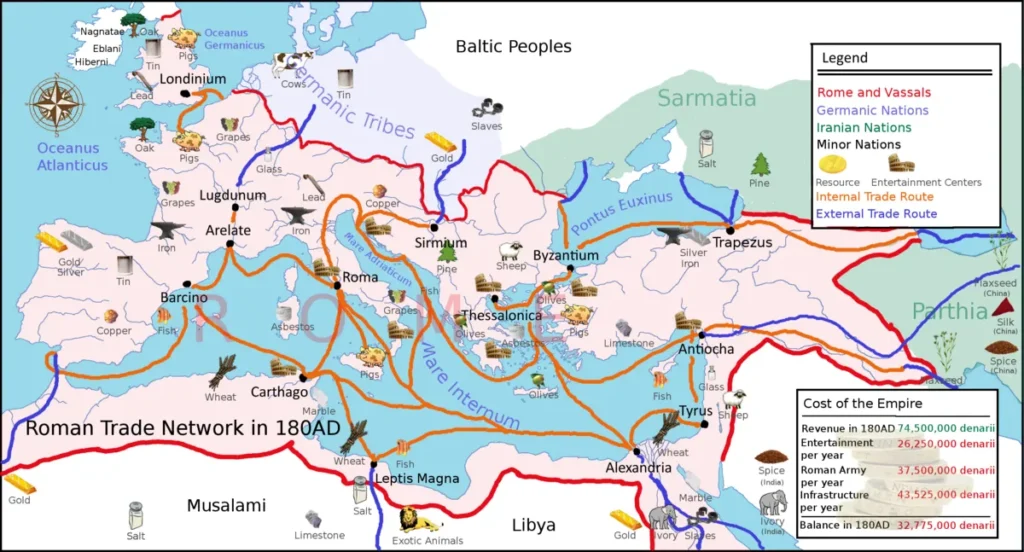
That network is extensive in the Mediterranean, threads the Atlantic coasts of Iberia and Gaul, extends to Britain and the Rhine frontier, and reaches into the Baltic via indirect exchange. It is not a transatlantic network. The chemistry that maps it so precisely is also the chemistry that would, in the presence of genuine context, help establish where in the Roman world any hypothetical American visitor came from and what their ships were carrying. Chemistry would be a powerful partner in such a discovery. It would not be, and cannot be, the primary evidence for the crossing itself.
Why the claim keeps coming back
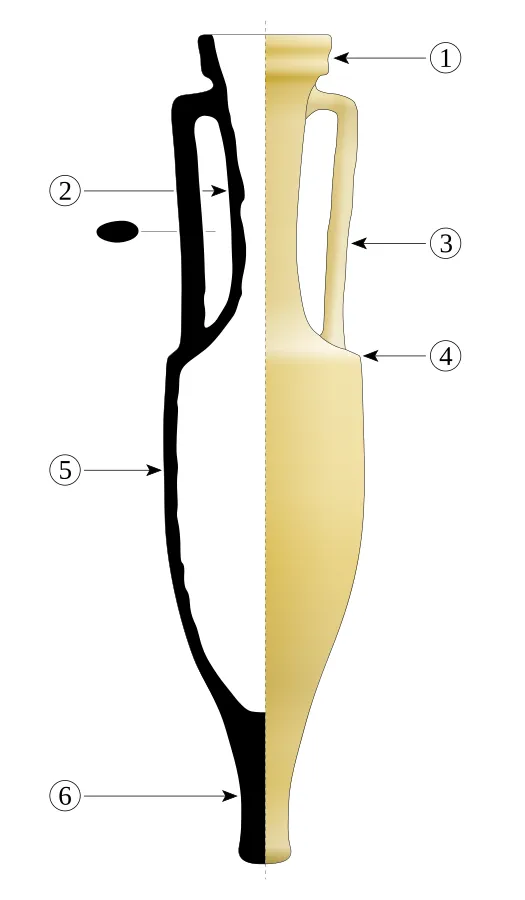
The Romans-in-America story has structural advantages that keep it in circulation regardless of the evidence. An amphora is visually legible as Roman in a single shape, which means photographs of jar-shaped objects circulate easily and carry immediate rhetorical force. The claim flatters a narrative in which established historical consensus is revealed as provincial and incomplete, which appeals both to genuine intellectual curiosity and to the appetite for overturning orthodoxy that drives a significant portion of popular history publishing. And the chemistry, which is real and impressive, provides a layer of scientific-sounding support that makes the claim feel grounded even when the foundational context problems have not been addressed.
The corrective is not scepticism about Roman maritime capability. Roman sailors were capable navigators who routinely crossed open water and whose knowledge of Atlantic currents and winds was substantial. The corrective is simply the application of the same evidentiary standards to transatlantic claims that are applied to every other claim in classical archaeology. Context first. Dating second. Convergent chemistry third. In the absence of the first two, the third cannot carry the argument, however sophisticated the laboratory work behind it.
Primary sources and key studies: Kuitems et al., “Evidence for European presence in the Americas in 1021 CE,” Nature, Vol. 601, 2022; Michael Dietler and Carolina Lopez-Ruiz, eds., Colonial Encounters in Ancient Iberia, University of Chicago Press, 2009; David Peacock and David Williams, Amphorae and the Roman Economy, Longman, 1986.