
Roman punishments reached depths of cruelty modern minds struggle to comprehend. These five executions combined theatrical spectacle with calculated brutality, designed to terrorize populations and satisfy bloodthirsty crowds. Each method inflicted maximum suffering while serving as public entertainment.
1. Poena Cullei
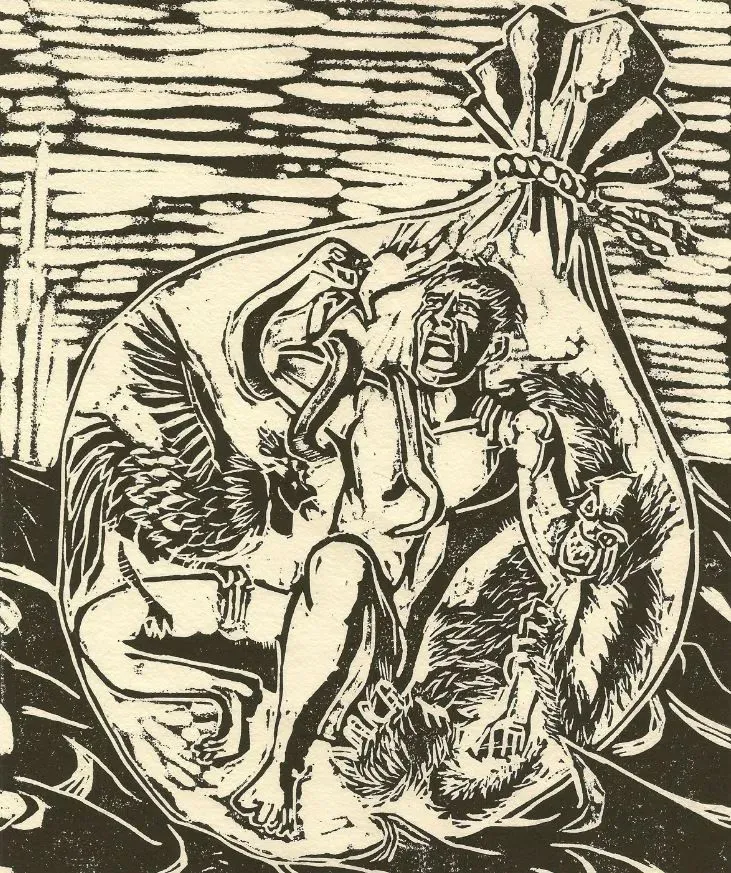
The condemned prisoner was sewn into a leather sack with a dog, a rooster, a viper, and a monkey. This punishment, reserved for patricide, combined drowning with animal attacks in complete darkness. The sack was then hurled into the Tiber River or nearest body of water.
Inside the sack, panic erupted immediately. The dog would bite frantically searching for escape. The rooster pecked and clawed at anything moving. The viper struck repeatedly at warm flesh. The monkey, terrified and aggressive, attacked with surprising strength. These creatures fought each other as much as the human, creating a writhing mass of terror.
Water entered the sack slowly through seams and stitching. The victim drowned while being bitten, scratched, and poisoned simultaneously. Death could take anywhere from several minutes to over an hour. Emperor Hadrian later offered an alternative: being thrown to arena beasts instead, which many condemned preferred.
2. Damnatio ad Bestias
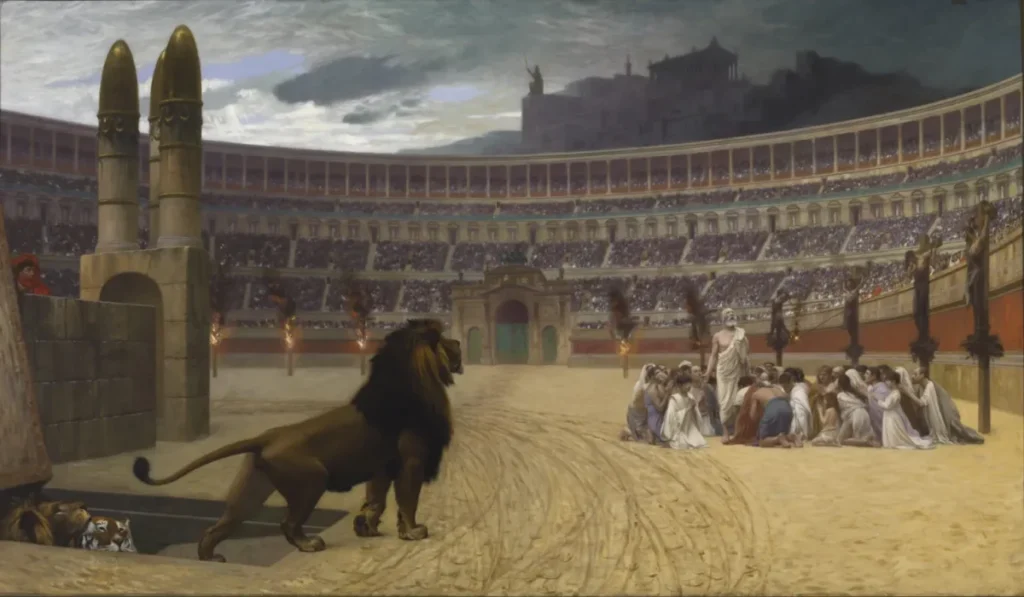
Damnatio ad bestias literally meant condemnation to beasts. Prisoners were tied to stakes or crosses in the Colosseum arena while starved lions, bears, leopards, and wild dogs were released. The animals had been denied food for days, sometimes weeks, making them desperately aggressive.
The crowd roared as gates opened and beasts charged across sand. Lions typically went for the throat, crushing windpipes with massive jaws. Bears mauled victims with claws that stripped flesh from bone. Wild dogs attacked in packs, tearing apart limbs while the condemned screamed. Executioners positioned victims strategically to prolong the spectacle, ensuring animals approached from different directions.
These executions occurred at midday between morning animal hunts and afternoon gladiator contests. Romans considered criminals, runaway slaves, and Christians suitable entertainment during lunch breaks. Attendants with torches and whips controlled animal movements, directing beasts back toward victims who survived initial attacks. The sand turned dark red as crowds cheered or booed depending on how dramatically the condemned died.
Built out of a love for history, kept free from distractions.
Spoken Past is an independent project shaped by curiosity, care, and long hours of research. Reader support helps keep it maintained, carefully researched, and open to everyone.
3. Crucifixion
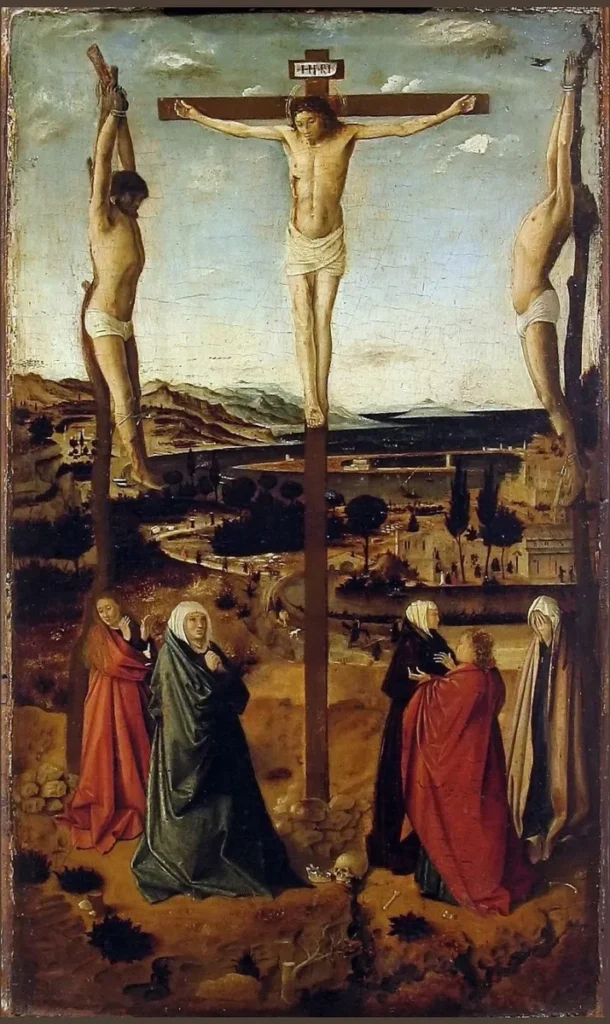
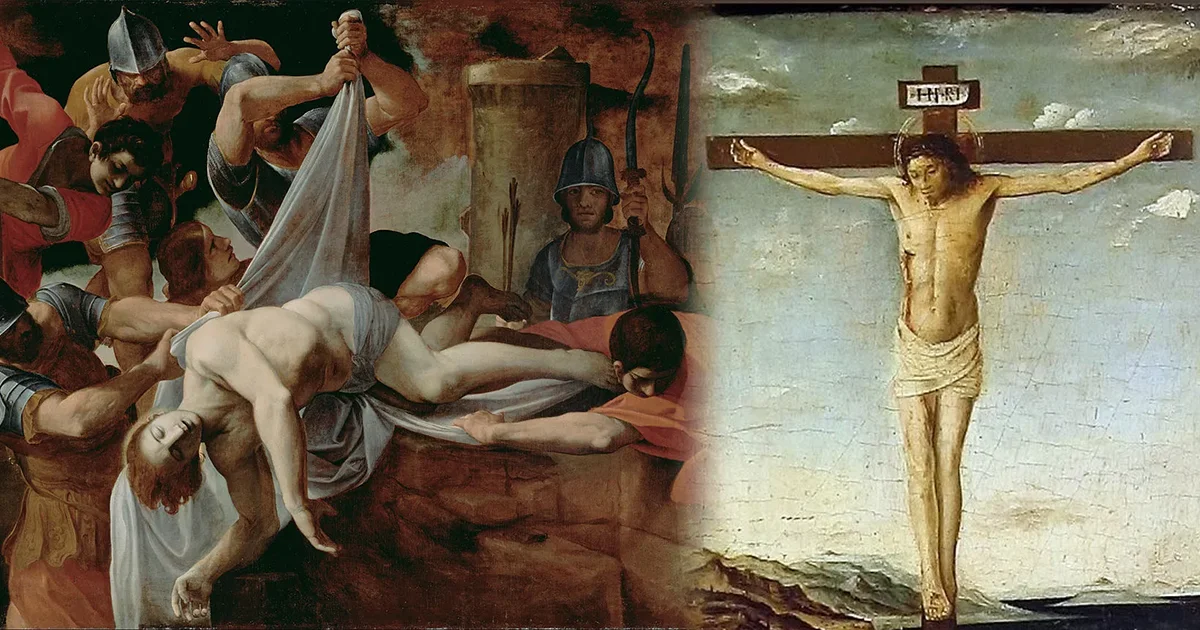
Victims were stripped naked and flogged with leather whips embedded with metal or bone fragments. This scourging alone killed some prisoners, as flesh was literally torn from backs, buttocks, and legs. Survivors were forced to carry the crossbeam, weighing approximately 45 kilograms, through crowded streets to execution sites outside city walls.
Iron nails, roughly 13 to 18 centimeters long, were driven through wrists between forearm bones, not palms, which could not support body weight. A single nail pierced both feet, pinning them sideways against the vertical post. The condemned hung suspended, unable to breathe properly without pushing up on nailed feet and pulling on nailed wrists.
Death came slowly through suffocation, dehydration, or heart failure. Victims survived anywhere from several hours to three days depending on physical condition and weather. Guards patrolled constantly to prevent rescue attempts. Carrion birds and insects fed on dying prisoners while crowds mocked and threw stones. Breaking legs with clubs hastened death by preventing the condemned from pushing up to breathe, causing rapid asphyxiation.
4. Vivi Crematio
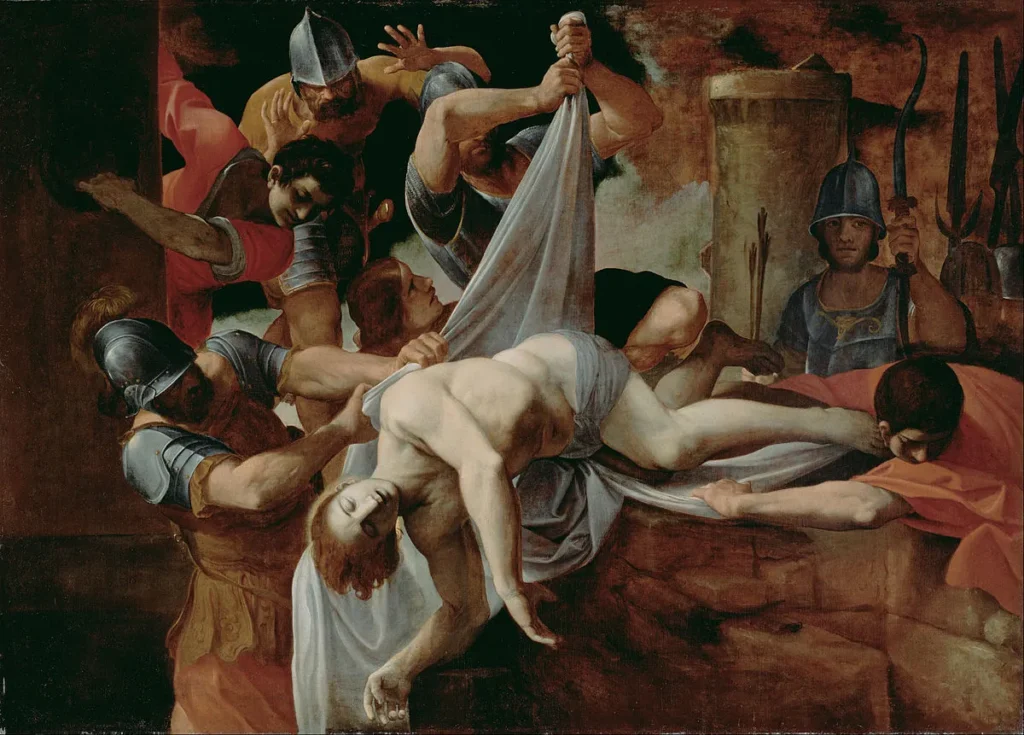
The condemned were dressed in elaborate robes soaked in flammable oils and pitch. These pyrricharii, as they were called, were chased into the arena by attendants carrying torches. The arena floor was filled with dry vegetation, branches, and straw to fuel the inferno.
When flames caught, the victim’s clothing ignited instantly. Fire consumed skin, causing third-degree burns within seconds. Fat beneath skin melted and fueled flames further. Victims ran screaming until smoke inhalation caused collapse or leg muscles burned through, no longer supporting weight. The crowd watched as human torches stumbled and fell, still burning.
A cheaper variant involved simple stake burning. Prisoners were tied to wooden posts surrounded by kindling and logs. Fire was lit at their feet, slowly climbing upward. This method took longer, maximizing suffering. Smoke inhalation sometimes brought merciful unconsciousness before flames reached vital organs, but not always. Either way, the stench of burning human flesh filled the arena while spectators ate lunch.
5. Fustuarium
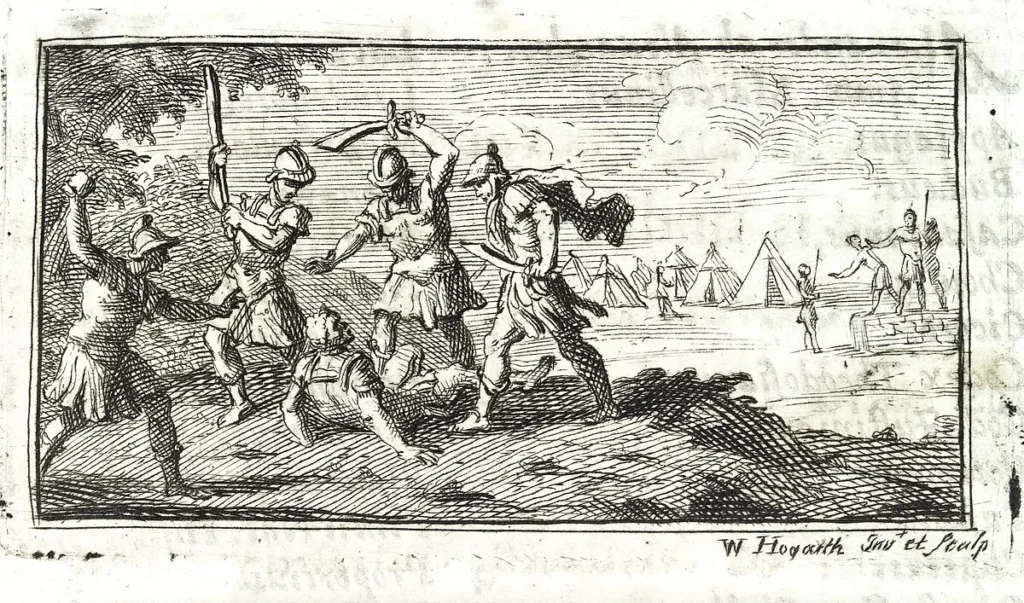
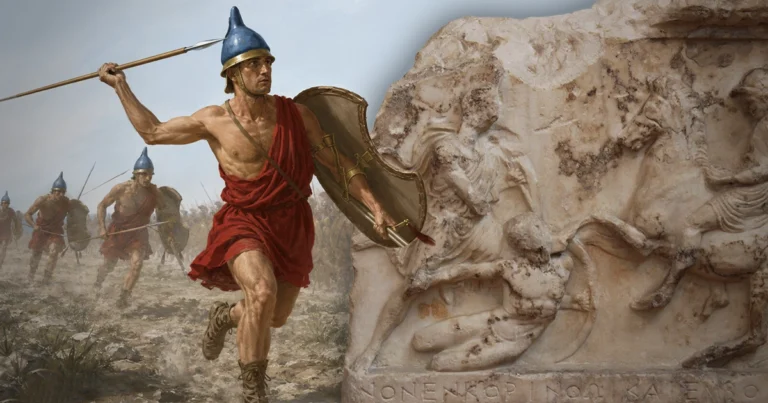
Fustuarium was reserved for Roman soldiers guilty of cowardice, desertion, or losing their weapons in battle. The condemned man’s entire unit participated in his execution by beating him to death with wooden staffs and stones. This punishment reinforced unit cohesion through shared guilt in killing their comrade.
The soldier was stripped naked and forced to stand or kneel in the center of his unit’s formation. His fellow soldiers formed a circle around him, each holding a wooden club or staff. At the commander’s signal, the beating began. Blows rained down from all directions simultaneously, striking head, back, chest, and limbs.
Bones shattered within minutes. The skull fractured, causing brain hemorrhaging. Ribs broke, puncturing lungs and heart. Arms and legs were pulverized into useless masses of broken bone and torn muscle. If the condemned survived the initial assault, the beating continued until he died from internal bleeding or head trauma. The corpse was left unburied outside the camp as additional deterrent. Fellow soldiers who failed to strike hard enough faced severe punishment themselves, ensuring no one held back.