
A plea across the threshold
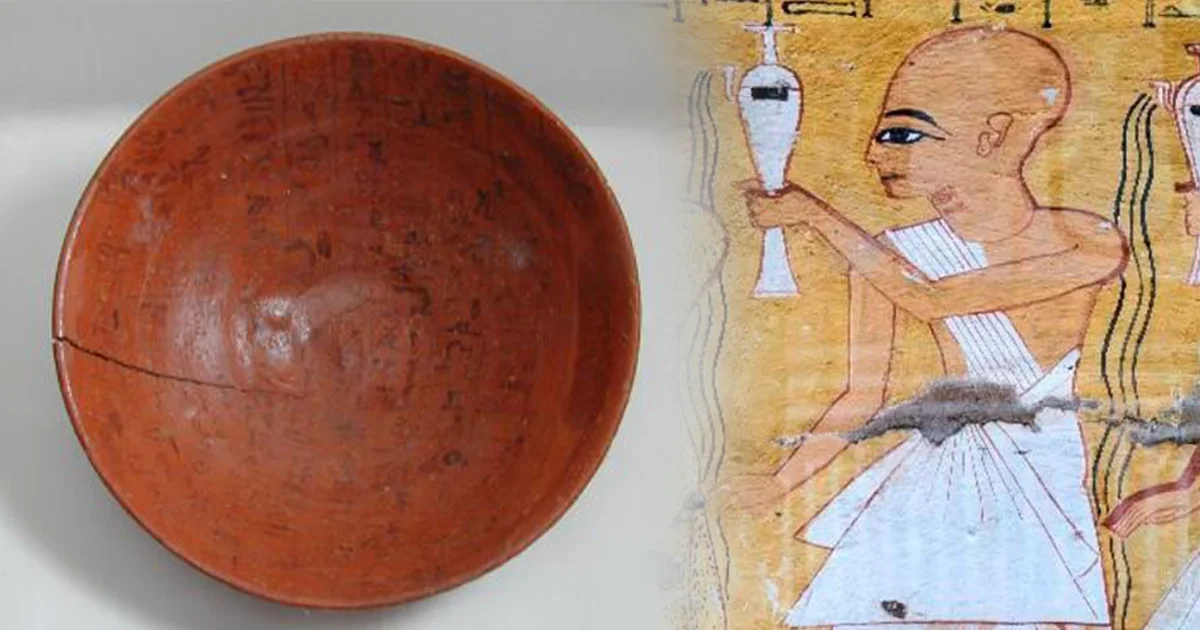
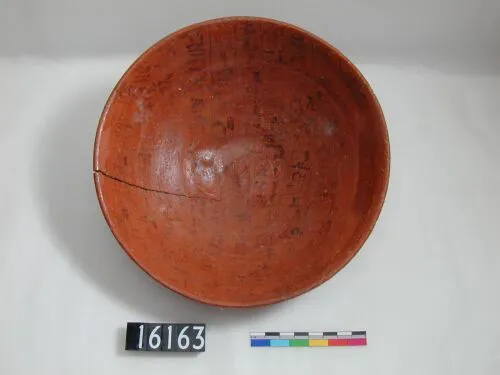
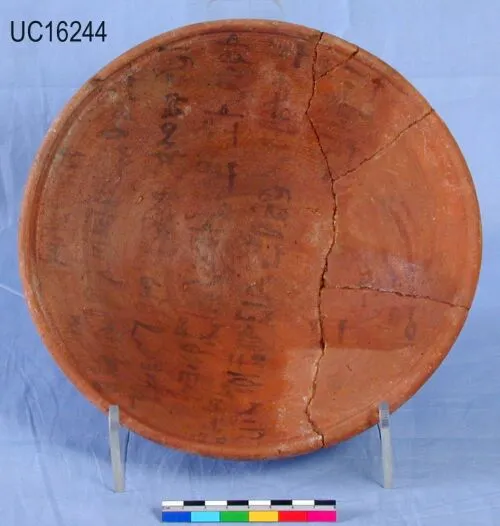
On a small pottery bowl now at University College London, a man named Shepsi spirals a message to his dead parents: he asks his father to settle an inheritance dispute and his mother to protect him from illness. The bowl was found at Qau el-Kebir, in a tomb of the late Old Kingdom to First Intermediate Period. It was placed by the head of a burial, near where offerings would be set for the deceased. The message is plain: the living believed the dead could act. The writer expected an answer, not in ink, but in outcomes.
This practice is known today as “letters to the dead.” Most examples come from ancient Egypt, and most are short, urgent appeals written on bowls, jar stands, linen, or papyrus, then left where the dead could receive them. The writers are sons, daughters, spouses, and sometimes in-laws. The recipients are recently deceased kin, often named with their titles. In one famous case, the addressee himself had been a priest in life: Intef, appealed to for help in a household dispute. The living relative who writes invokes Intef’s authority among the blessed dead and expects him to intercede.
What a “letter to the dead” is, and is not
A letter to the dead is a brief, formula-aware message to a specific deceased person, normally a family member. It blends everyday complaint with ritual invocation. Texts usually include: the sender’s and recipient’s names, a statement of kinship, a reminder of the sender’s dutiful care when the recipient was alive, the problem at hand, and a request phrased as a directive. The writing is in cursive Egyptian script, hieratic, often laid out in a circle along the interior of a bowl or descending in short columns on jar stands and linen. The vessel is then placed in a tomb or chapel with offerings, sometimes at the head end of the burial. The appeal might be read aloud as part of a family rite, then left for the dead to “read” in perpetuity.
These messages are not literary fantasies or fictional dialogues. They are household documents performed and deposited in funerary space. The genre was first assembled in the 1920s by Alan Gardiner and Kurt Sethe, who recognized recurring features across disparate objects. Since then, scholars have expanded the corpus, mapped findspots, and analyzed the wording to show how families imagined the powers of their dead. Recent work has refined readings, separated later copies from originals, and placed letters within the broader cycle of offering practice.
Who wrote, and who received
The senders are often ordinary householders. Women appear frequently, especially as spouses and mothers who petition deceased husbands to protect children or settle quarrels. Men write as sons, husbands, or brothers seeking relief from illness, injustice, or bewitchment. The recipients are not distant ancestors. They are newly dead kin who still sit at the center of family memory and cult: fathers, mothers, husbands, and wives, sometimes grandparents. Titles are common, and they matter. They stake the recipient’s standing among the transfigured dead, the akh, who are thought capable of acting in the world of the living.
The case of Intef: addressing a dead priest
Among the best documented examples is a letter addressed to a man identified as the priest Intef. The text opens with an offering formula and proceeds to a family dispute. The living writer reminds Intef of their relationship and of faithful service during Intef’s lifetime, then lays out the grievance. The demand is precise: Intef must cause the wrongdoer to stop, or else secure redress. The letter’s structure is typical: intimate address, complaint, and command. Intef’s office, named in the letter, signals why he is asked. A priest in life, he is imagined as a potent akh after death, positioned to act through the channels of the beyond.
The surviving letters rarely explain procedure, yet vocabulary hints at how action was expected to occur. Verbs for petition and intervention occur beside threats that withdraw offerings if the dead do not comply. Writers remind the dead that they, the living, maintained the cult, poured water, and set bread and beer. The logic is reciprocal: continued care merits continued protection. If misfortune has struck, either another akh is attacking or the addressee has been negligent. The letter’s tone, even when respectful, is firm. The living give orders to the dead because the relationship, established in life and ritualized in death, authorizes it.
Materials: bowls, jar stands, linen, and papyrus
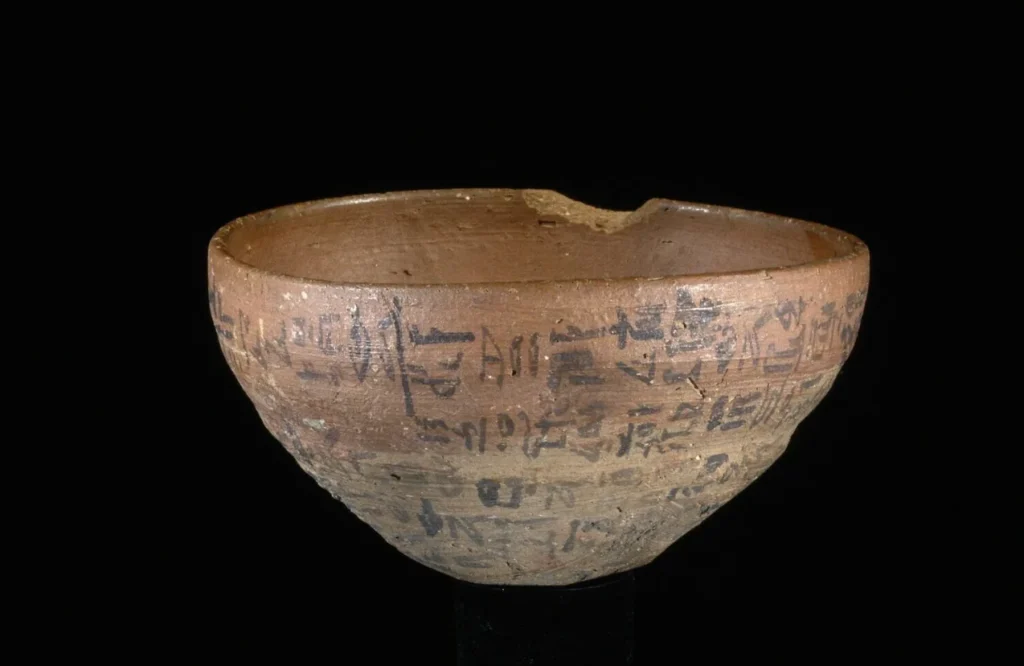
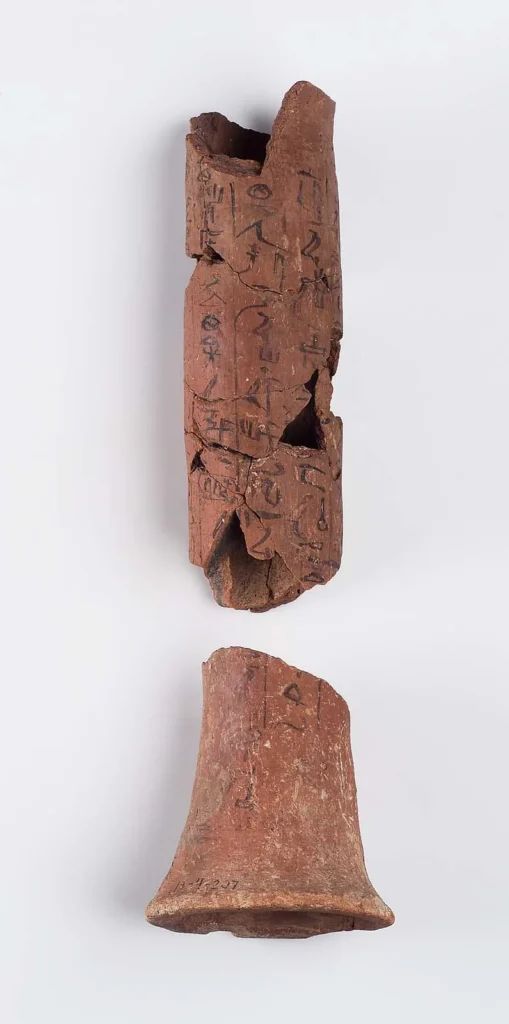
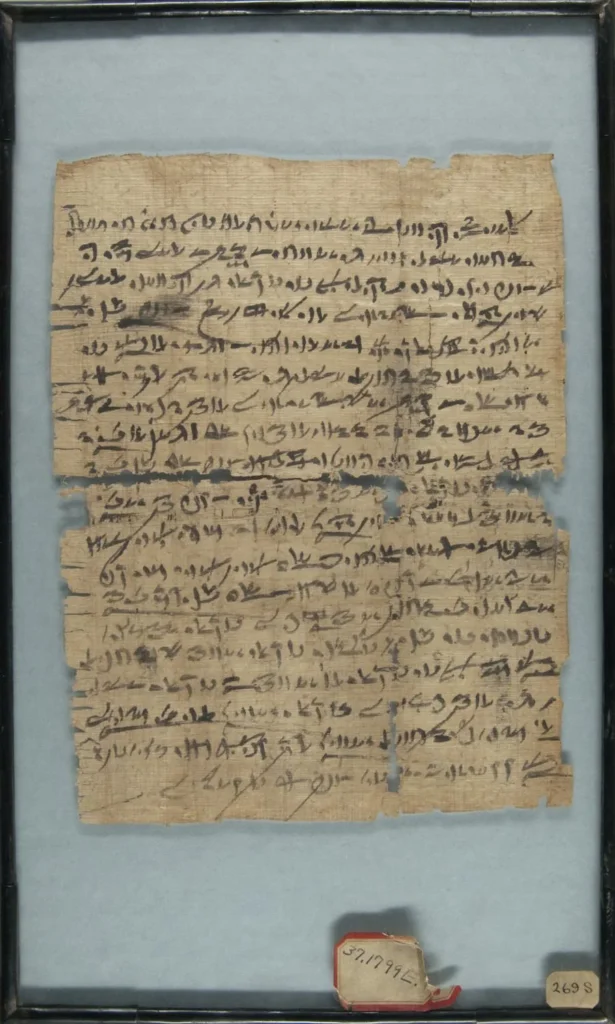
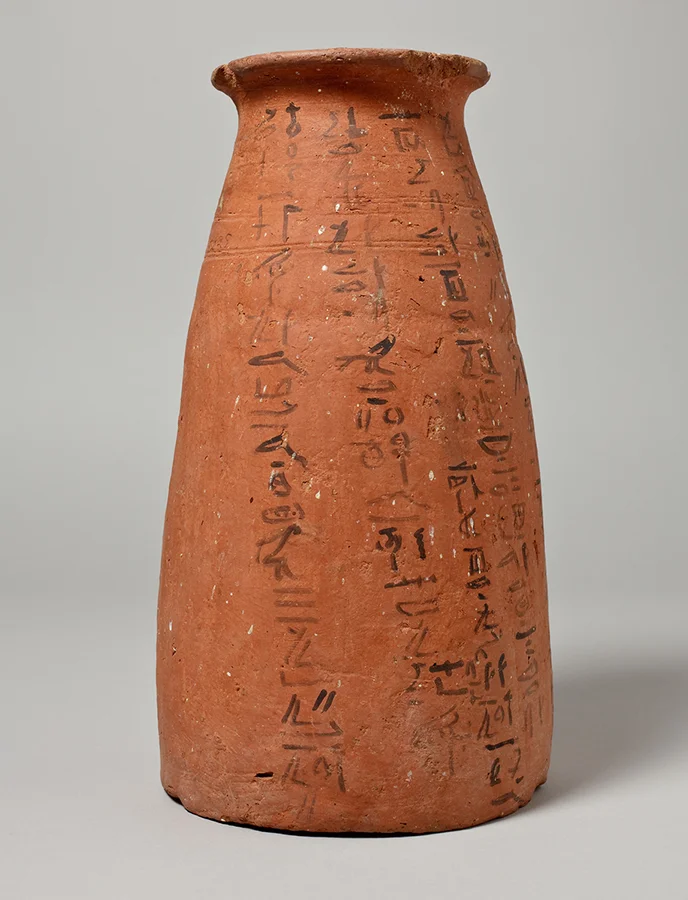
Most letters to the dead run around the inside of simple red or buff pottery bowls. The circular layout embraces the offering space and the imagined flow of communication. Sometimes the outside bears a second letter to another relative, creating a double message on a single vessel. Jar stands, tall supports for offering jars, also carry texts, their vertical bands of script echoing the columns of formal inscriptions. Linen bands and short papyri are rarer but significant, often tied to special problems like inheritance, property, or complex family law. A Late Period papyrus from Thebes, written in abnormal hieratic, preserves a petition to a dead relative about an estate issue in a temple household.
Where letters were placed, and why location mattered
Several letters were found in situ within tombs, especially at provincial cemeteries such as Qau and Qubbet el-Hawa. Findspots cluster at the head end of burials, near places where water, bread, and beer would be offered. The point was proximity. The letter needed to remain where the dead could receive offerings and where the family returned to renew ties. The tomb chapel and offering area are therefore both a mailbox and a meeting ground. The text, voice, and food converge. Performance likely included reading the letter aloud, as suggested by oral features in the writing. Afterward, the vessel remained, accumulating efficacy through continued rites.
What people asked the dead to do
Illness and protective care
Many letters report illness. The sender accuses an adversary, human or spirit, of causing harm through sorcery or malevolent influence. The dead relative is commanded to expel the harm, restrain the enemy, and restore health. Some letters specify body parts or symptoms in the manner of medical incantations. Others demand that the deceased appear as a witness in the court of the netherworld to press the case before divine judges. The akh is an advocate who can act through both ritual and legal channels of the beyond.
Property, marriage, and inheritance
Disputes over inheritance and marital rights recur. Writers recount promises made in life, point to witnesses, and insist on fair division. These are family quarrels pushed to a forum where the dead, now powerful, can compel compliance. In several letters, the sender emphasizes generosity toward the deceased’s cult: “I pour water for you, I remember your name.” The implication is forceful. Proper care ensures the dead’s goodwill. Withholding offerings is sometimes threatened if the deceased refuses to help. Reciprocity underwrites the request.
Malicious spirits and malevolent akhu
Some letters accuse a specific akh of wrongdoing. The writer begs the addressed relative to shield them and to restrain the aggressor among the dead. The dead are not uniform. They can be allies or adversaries. The letter positions the addressee as a protector within networks of the beyond, expected to manage and curb hostile forces. This echoes broader Egyptian beliefs about the akh as a transfigured, effective spirit whose agency could be directed by ritual and family ties.
How letters speak: structure, voice, and leverage
The style is direct. Writers name names, list grievances, and demand results. They often open with an offering formula, then state kinship, which anchors authority. Next come claims of good behavior: “I did not wrong you when you were alive,” or, “I cared for you and your tomb.” The complaint follows, framed as a factual report, sometimes with timestamps or the names of witnesses. Requests are commands, not wishes: heal, protect, stop, avenge, secure, judge. The closing can threaten withdrawal of offerings or invoke reciprocal obligations. The letter’s rhetoric relies on memory, duty, and the economy of cult.
A priest among the dead: why Intef could help
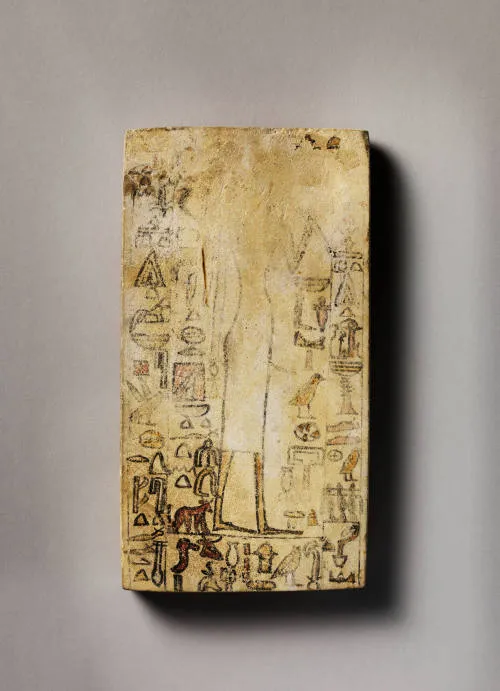
When a family member was a priest in life, his or her status did not vanish at death. A priest had navigated the liturgies of temples, knew the names of gods, and served at altars. In the letters, such a person is imagined as a powerful akh with ongoing access. The letter to the dead priest Intef leverages that prestige. The living petitioner does not ask a generic spirit for help. He invokes a specific man with a public identity and a specific relationship to the writer. This is the crux of the genre’s realism: kinship is the conduit. Titles sharpen the edge. The priest in death is still thought to operate with ritual authority.
Built out of a love for history, kept free from distractions.
Spoken Past is an independent project shaped by curiosity, care, and long hours of research. Reader support helps keep it maintained, carefully researched, and open to everyone.
Comparison: bowls, jar stands, and the look of a message
Bowl letters use a spiral layout that guides reading inward, often ending near the base where an offering might rest. Jar stands feature columnar text, readable as one circled the stand during rites. Linen strips, like the so-called Cairo Linen, carry short, columned appeals tied around offerings or deposited in tombs. Papyrus petitions, like the Brooklyn example, are longer and more formal, aligned with bureaucratic style and legal vocabulary. The material suits the request. Bowls and stands fuse speech and food. Linen and papyrus frame appeal as documented petition.
Performance: speaking to the dead
Letters likely entered family ritual through performance. Word choices echo oral formulas. Some letters read like scripts that a relative could recite in the tomb chapel. The object then held the spoken message in place. Later visits, with fresh water and bread, reactivated the link. The words remained legible for the dead, who were thought to hear and read. The practice dovetails with the wider Egyptian view that names, speech, and offerings sustain bonds across the threshold. To write and leave the letter was to affix a voice at the tomb.
A wider spectrum: from bowls to stelae
While bowls dominate, the genre spills into other media. A jar stand in Boston preserves a brief plea to a dead father and grandmother. The reverse of a First Intermediate Period stela at the Michael C. Carlos Museum preserves a “misplaced” letter to its owner, Nebetitef, underscoring how a family could co-opt an existing monument to carry an appeal. These variations confirm that the letter is a message form rather than a fixed object. Families adapted surfaces at hand. What mattered was inscription, placement, and relationship.
Timing and setting: when families wrote
Most surviving letters date to the late Old Kingdom through the First Intermediate Period, with a smaller set in the Middle Kingdom and rare Late Period examples. The concentration in provincial cemeteries likely reflects both original practice and recovery conditions. In times of strain, when courts and officials hesitated or failed, families turned to kin among the dead to resolve illness, theft, or quarrels. The letters signal continuity rather than crisis, however. They rest on the everyday run of offerings and remembrance, the household cult that tethered families to their dead.
A genre of outcomes, not just words
The letters do not record replies, but they imagine them. Relief from illness, the end of a quarrel, a division of property enforced by fear of the beyond: these outcomes are the hoped-for answers. The genre survives because families took the chance that speech, text, and food could move events. A bowl is not an oracle board. It is a petition with teeth. The offer of sustenance and the threat to withdraw it give the living leverage. If the dead protect and judge, the living will maintain memory. If not, the living can choose silence and neglect. The bargain is clear on the clay.
Case portraits: four letters in detail
The Qau bowl: two letters, two parents
Shepsi’s Qau bowl is a double message. Inside, he writes to his father about an inheritance dispute. Outside, he addresses his mother about a sickness that afflicts him. The findspot was precise: tomb 7695, head end of the burial. The text shows both legal tone and intimate voice. The father is expected to ensure fair division, the mother to shield him. The pairing demonstrates the flexible logic of family appeal. Different kin can be tasked with different jobs, matched to their perceived powers.
The Hu bowl: a widow’s plea for her daughter
At Diospolis Parva, a widow addressed her dead husband on behalf of their child. The spiraling text explains the child’s condition and calls for protection. The widow stakes her claim with testimony of faithful care and offering maintenance. The bowl converts grief into action. The father, now an akh, is bound to respond as he did in life.
The Louvre bowl: a mother to her son
A bowl in the Louvre bears a mother’s appeal to her son Mereri. The reversal of expected roles is striking. The son, though younger in life, is senior in death and therefore potent. The letter shows that hierarchy follows efficacy, not age. Agency in the beyond reorders the family tree for practical ends.
The Saite papyrus: a temple worker’s petition
Centuries later, a Theban papyrus in abnormal hieratic preserves a long petition from a temple milieu. The writer details an inheritance conflict tied to Amun’s temple and asks a deceased relative to act. The format has shifted to papyrus, and the voice bears legal cadence, but the core logic remains. The dead are addressed as agents, familial ties are leveraged, and concrete remedies are demanded.
What the letters reveal about belief
The letters never pause to explain theology. They presuppose it. The dead are present, reading, listening, and capable. They retain identity and relationships. They can act through channels imagined as courts, councils, and confrontations with other akhu. They need food, water, and remembrance to remain effective. They can also fail, whether through neglect by the living or obstruction by enemies. The letters balance hope and pressure. They record a family’s practical piety, a religion of doing rather than pondering, of writing rather than waiting.
The scene implied by a letter
Picture a family at a tomb chapel. Bread, beer, water, and a simple bowl ready. A relative reads the letter aloud: the dead person’s name, the grievance, the command. The bowl is placed near the head. The family departs, with plans to return. If illness ends, if a neighbor settles the matter, if the household quiets, the dead have answered. If not, another visit, another reading, perhaps a sterner tone. The conversation continues as long as offerings do.
Why this episode mattered: when a priest was the addressee
In the appeal to the priest Intef, the writer turned a lifetime of service into posthumous authority. The priest’s specialization in life was repurposed for family need. That is the essence of the genre’s realism. Titles are not decorative. They are tools. A son or spouse does not request generic blessing. They instruct a specific person with known competencies to act. The dead priest becomes advocate, judge, and protector because he already was an officiant. The family simply relocates his office.
FAQ
What is meant by “akh” in these letters?
Akh refers to a transfigured, effective spirit, a dead person who has been empowered to act in and for the living. The letters assume the addressee is an akh who can advocate, protect, and restrain other spirits.
How many letters to the dead survive?
Scholars count roughly two dozen examples, with most from the late Old Kingdom to the First Intermediate Period, and a few later pieces. The exact number depends on how fragmentary items and later copies are classified.
Were these letters private or public?
They are family texts performed in a semi-public ritual setting, the tomb chapel. Content is intimate, yet the setting is ceremonial and linked with offering practice.
Did women write letters to the dead?
Yes. Women are among the most frequent senders, especially in provincial cemeteries. The Hu bowl preserves a widow’s appeal to her deceased husband for their daughter.
Why write on bowls and jar stands instead of papyrus?
Bowls and stands are offering equipment. Inscribing them fuses message and rite. Papyrus appears when writers adopt a petitionary tone or when legal detail is central, as in the Brooklyn papyrus.
How does the letter to the priest Intef fit the genre?
It follows the standard pattern of address, complaint, and demand, while leveraging the recipient’s priestly status to justify an expectation of effective action among the dead.