
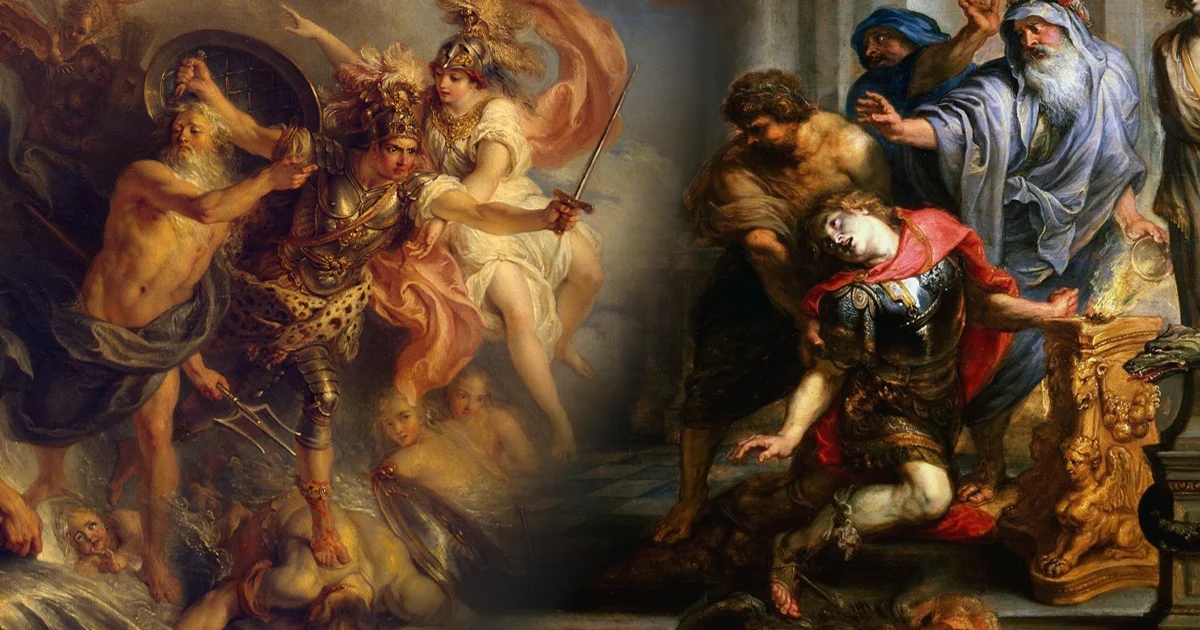
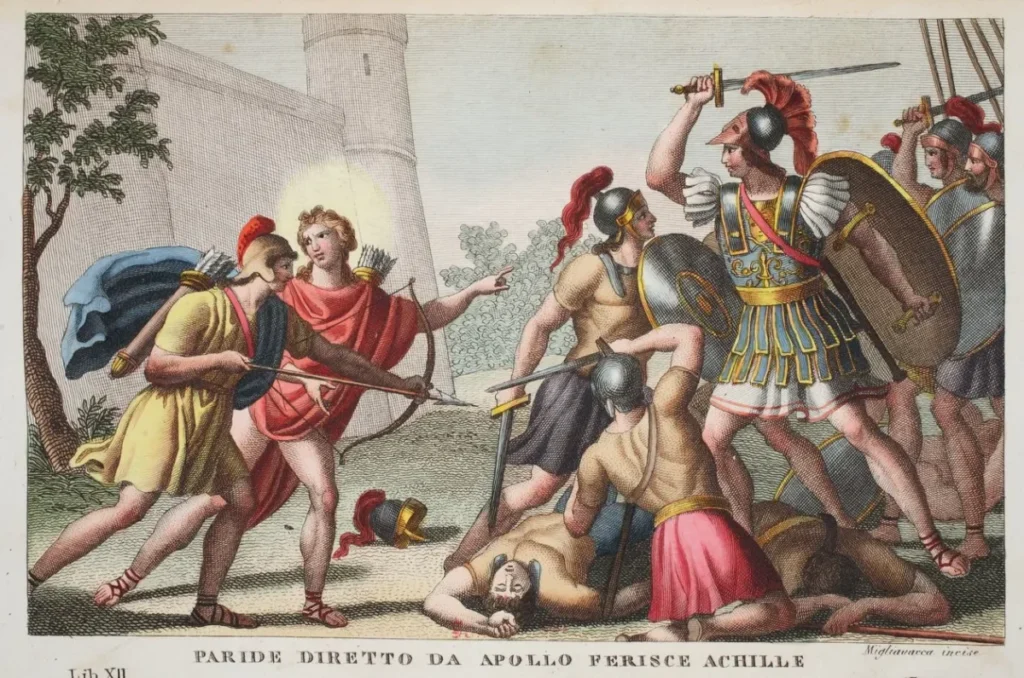
Achilles death occurred outside the walls of Troy when Paris shot him with an arrow guided by Apollo. The greatest warrior of the Greeks fell during the final phase of the Trojan War, cut down as he pursued Trojan forces toward the city gates. Yet the story of how Achilles death happened varies wildly across ancient sources, from a wound to the ankle to multiple arrows striking his body.
The Iliad never shows us Achilles death directly. Homer’s epic ends before the hero dies, though the poem foreshadows his fate repeatedly through prophecies and warnings. Other ancient poets filled this gap with competing versions that contradicted each other in crucial details.
By the time Romans retold Greek myths centuries later, writers had invented entirely new elements. The famous story of Achilles having one vulnerable spot where his mother held him while dipping him in the River Styx appears nowhere in Greek sources. This Roman addition fundamentally changed how later ages understood Achilles death.
The Aethiopis Version
The lost epic called the Aethiopis provided the earliest detailed account of Achilles death. This poem belonged to the Epic Cycle, a collection of works that covered events before and after those in the Iliad. The 7th-century BC poet Arctinus of Miletus composed the Aethiopis, though the work has not survived intact.
Proclus, a 5th-century AD scholar, preserved a prose summary of the Aethiopis plot. According to this summary, Achilles killed the Amazon queen Penthesilea and then slew Memnon, the Ethiopian king who came to aid the Trojans. After these victories, Achilles chased the fleeing Trojans back toward their city.
As Achilles pursued the Trojans through the Scaean Gates, Paris and Apollo killed him. The summary states this plainly without elaborating on method or location of the wound. Ancient audiences knew Paris shot an arrow, but the Aethiopis apparently did not specify where the arrow struck.
The poem placed Apollo’s involvement prominently in the death scene. Greek tradition consistently portrayed Apollo as hostile to Achilles throughout the war. The god had multiple grievances against the hero, including Achilles’ killing of Apollo’s son Tenes early in the war.
Homer’s Foreshadowing
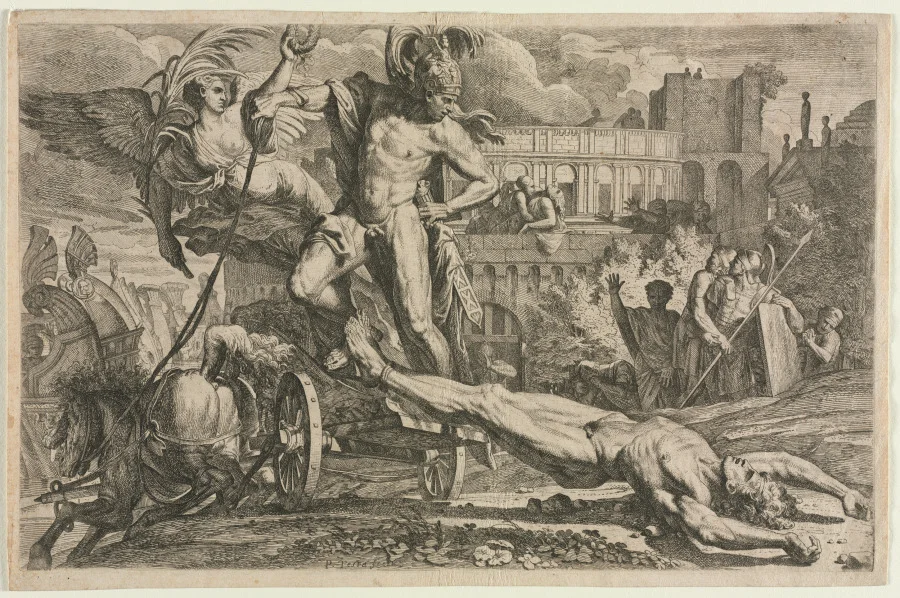
The Iliad never narrates Achilles death but references it constantly. Homer builds dramatic tension by having characters predict the hero’s doom while readers watch him fight at the height of his power. Achilles himself knows he will die young at Troy if he chooses glory over a long life at home.
Hector delivers the most specific prophecy as he lies dying in Book 22. The Trojan prince warns Achilles that Paris and Phoebus Apollo will kill him at the Scaean Gates. This prophecy matched what the Aethiopis later described, suggesting Homer drew on traditional stories his audience already knew.
Thetis, Achilles’ divine mother, repeatedly tells her son that his death will come soon after Hector’s. In Book 18, she laments that Achilles chose to return to battle knowing this would seal his fate. The goddess cannot prevent what she has foreseen, only warn her son of consequences he has already accepted.
Achilles’ horse Xanthos also prophesies the hero’s death in Book 19. The immortal horse suddenly gains human speech to warn his master that a god and a mortal will kill him. Achilles responds that he already knows his fate and will fight anyway.
These prophecies create dramatic irony throughout the second half of the Iliad. Readers watch Achilles slaughter Trojans while knowing his own death approaches. Homer never needed to show Achilles death because he had already made it present through foreshadowing.
The Ankle Wound Tradition
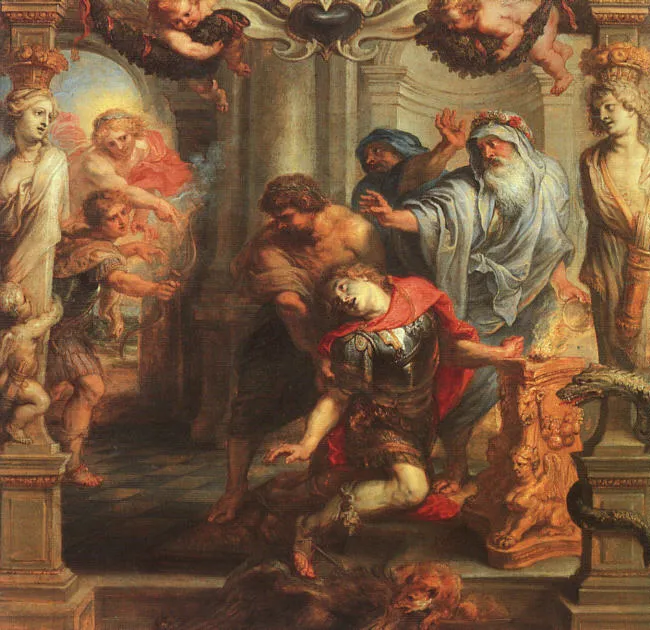
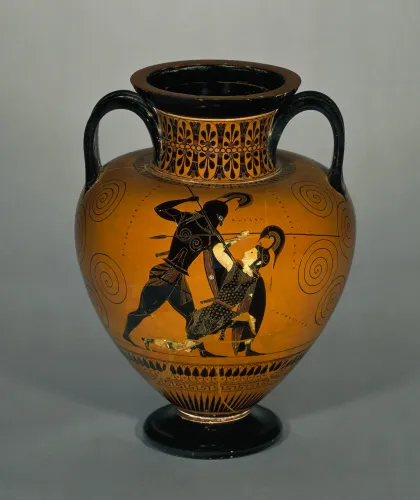
Greek vase paintings from the 6th century BC show Paris’s arrow striking Achilles in the ankle. A black-figure amphora now in the Leiden Museum depicts Achilles with an arrow embedded in his lower leg. Multiple vases from this period place the wound specifically at the ankle joint rather than elsewhere on the body.
Apollodorus, writing in the 1st or 2nd century AD, states explicitly that Paris shot Achilles in the ankle. His Library of Greek Mythology became an important source for later retellings of myths. Apollodorus places the death at the Scaean Gates, matching Homer’s prophecy.
The Greek word for ankle is sphyron, not heel. Ancient sources describing an ankle wound meant the joint between foot and leg, not the back of the heel. This distinction matters because later European languages confused the terms, creating the modern phrase “Achilles’ heel”.
Some vases show Achilles with two arrows in his body. A Chalcidian amphora depicts one arrow in the hero’s ankle and another in his torso. These multiple-wound versions suggest competing traditions about whether Paris needed more than one arrow to bring down the great warrior.
The ankle location made practical sense in Greek warfare. Greaves protected the lower leg, but the ankle joint needed flexibility for movement. An arrow to this exposed area could cripple even a fully armored warrior. No supernatural explanation was necessary to justify why a ankle wound proved fatal.
Apollo’s Role
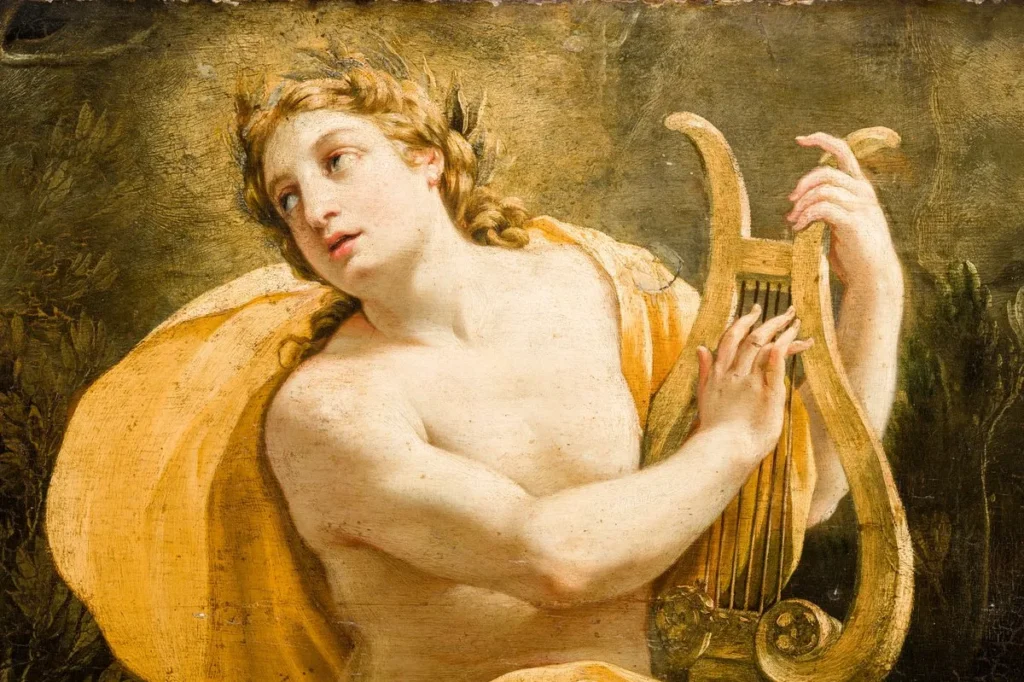
Greek sources consistently emphasized Apollo’s involvement in Achilles death more than Paris’s. The god either guided Paris’s arrow or shot the fatal arrow himself while taking Paris’s form. This divine participation elevated the death from a battlefield casualty to cosmic justice.
Pindar’s 6th Paean, written in the 5th century BC, describes Apollo in the form of Paris restraining Achilles with death. The fragmentary papyrus preserving this poem has significant gaps, but the basic meaning remains clear. Apollo took mortal disguise to kill the Greek hero.
The Posthomerica, composed by Quintus of Smyrna in the 4th century AD, has Apollo shoot the arrow while invisible. Paris merely receives credit for the kill that the god accomplished. This version removes Paris’s agency entirely, making the death purely divine retribution.
Apollo’s motives stemmed from multiple grievances. Achilles had killed Tenes, Apollo’s son, despite prophecies warning against this act. The hero had also killed Troilus, another of Apollo’s sons, at the god’s own sanctuary. These killings demanded vengeance according to Greek religious logic.
The location at the Scaean Gates held significance because this was Apollo’s sacred area of Troy. By pursuing Trojans to the city gates, Achilles entered the god’s domain. Apollo defended his territory and his people by striking down the invader.
The Missing Heel Story
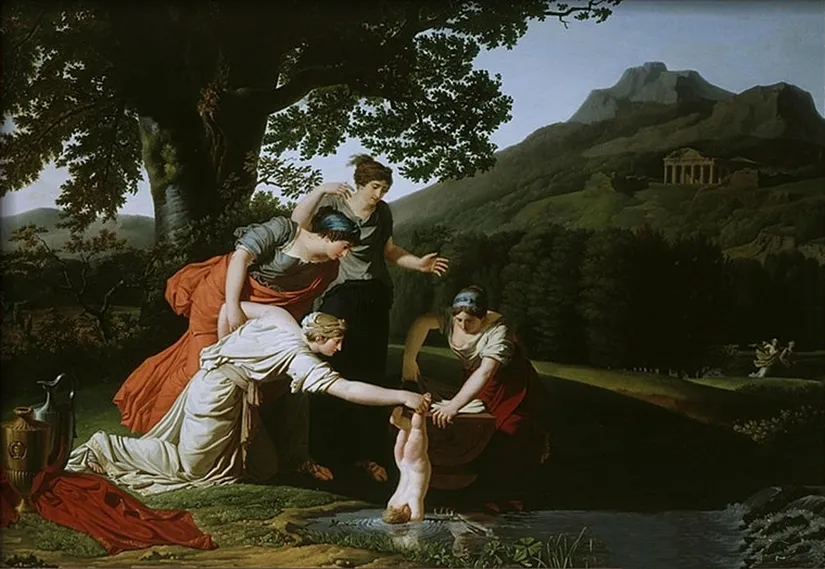
The famous story of Thetis dipping baby Achilles in the River Styx appears nowhere in Greek literature. No Greek source mentions Achilles having invulnerable skin except for one vulnerable spot. This entire tradition emerged centuries later in Roman poetry.
Statius, a Roman poet of the 1st century AD, first tells the Styx-dipping story in his Achilleid. Thetis holds her infant son by the heel and immerses him in the underworld river to make him immortal. The water grants invulnerability everywhere except the heel that remained dry.
Earlier Greek sources knew nothing of this tale. Homer never suggests Achilles possessed magical invulnerability. The Iliad shows him vulnerable to injury like any warrior, though his superior skill and divine armor protect him. When Hector’s spear strikes Achilles’ shield, the hero feels the impact and fears the weapon.
The vulnerable-spot motif appears in other Greek myths, suggesting Statius borrowed the pattern. The hero Siegfried in Germanic legend has one vulnerable spot between his shoulder blades. Indian epics feature warriors with single weak points. Statius may have applied this widespread folkloric pattern to Achilles.
The confusion between ankle and heel likely arose from translation issues. When Latin writers encountered Greek descriptions of an ankle wound, they may have misunderstood the anatomy. Medieval manuscripts and Renaissance translations compounded the confusion. By early modern times, “Achilles’ heel” had replaced “Achilles’ ankle” in European languages.
Built out of a love for history, kept free from distractions.
Spoken Past is an independent project shaped by curiosity, care, and long hours of research. Reader support helps keep it maintained, carefully researched, and open to everyone.
Alternative Death Traditions
Several sources describe Achilles dying in a marriage trap rather than in battle. According to these versions, Achilles came to Troy’s temple of Apollo to marry Polyxena, Priam’s daughter. Paris ambushed and killed him during the wedding ceremony.
Servius, a 4th-century AD commentator on Virgil, records this tradition. The marriage-trap story may have originated in Greek tragedy, now lost. Later Roman writers elaborated the tale with romantic elements absent from earlier versions.
This alternative tradition contradicts the battlefield death at the Scaean Gates. Ancient audiences apparently knew multiple incompatible versions of Achilles death. Different poets selected different versions depending on their thematic needs.
Some sources claim Paris killed Achilles in single combat rather than with an arrow. These versions make Paris a more respectable warrior by having him defeat Achilles face-to-face. Greek aristocratic culture valued personal combat over projectile weapons, making the arrow-shot seem less honorable.
The multiplicity of death stories suggests no canonical version existed in Greek tradition. Different poems and different regions preserved different accounts. Later writers tried to harmonize these variants into a single narrative, usually preferring the battlefield death at the gates.
The Armor Debate
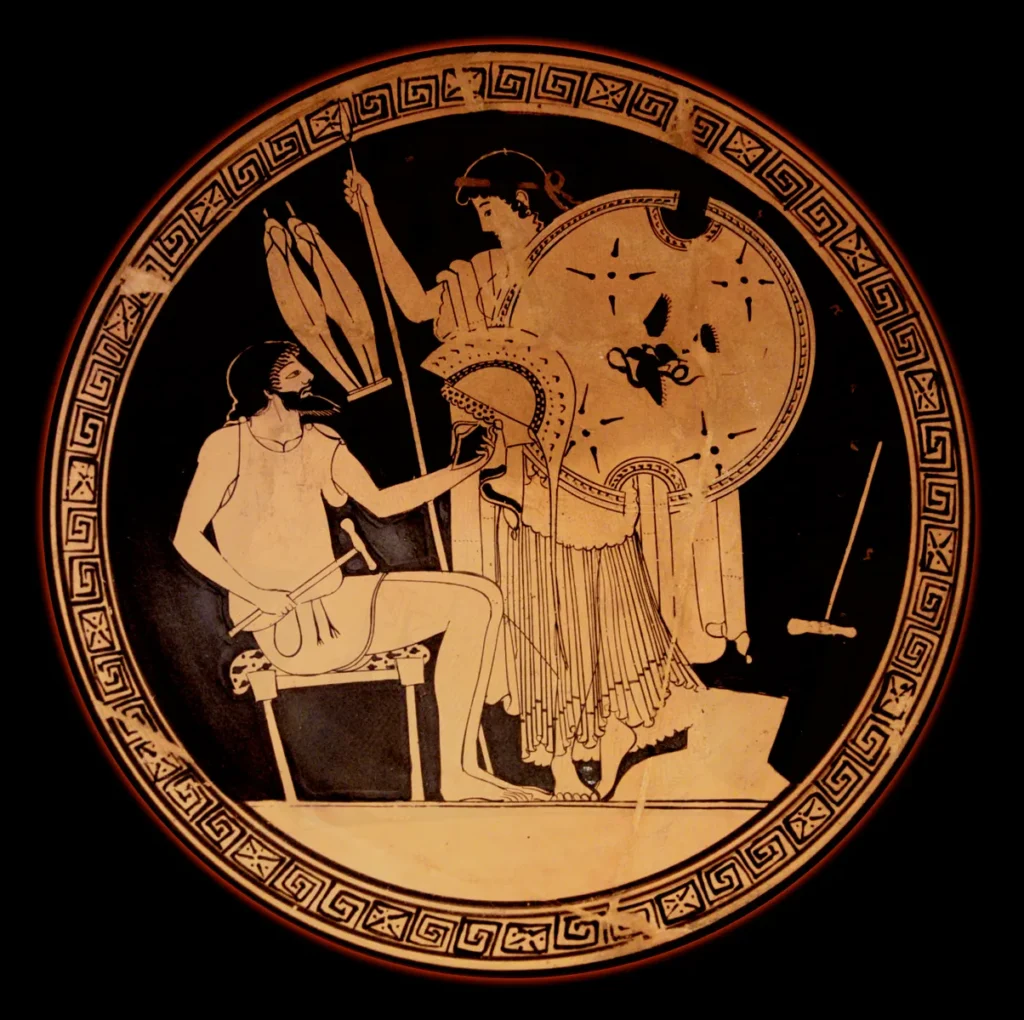
Some scholars argue that Greek tradition originally featured invulnerable armor rather than invulnerable skin. Hephaestus forged divine armor for Achilles in the Iliad, replacing the set Patroclus wore when Hector killed him. This new armor protected Achilles completely except at the vulnerable ankle joint.
According to this interpretation, later writers misunderstood the armor and transformed it into invulnerable flesh. The Styx-dipping story emerged from confusion about whether armor or skin provided protection. This theory remains speculative but would explain how the heel tradition developed from earlier sources.
The armor theory has problems. No surviving Greek text explicitly states that Achilles’ new armor was impenetrable. Homer describes the armor as beautiful and terrifying but not magically protective. Gods made superior equipment, not necessarily invulnerable equipment.
Prophecies and Fate
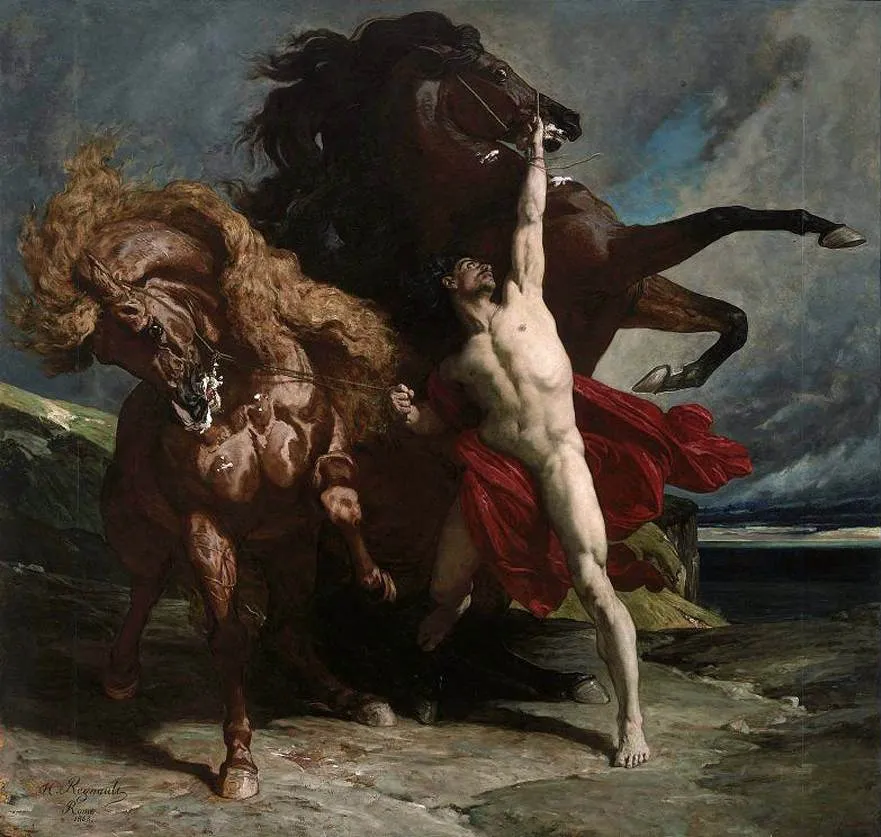
Achilles knew he would die young at Troy before the war even began. His mother Thetis gave him a choice between long life without glory or glorious death at Troy. He chose glory, accepting that he would never return home.
This foreknowledge shapes Achilles’ character in the Iliad. Unlike other warriors who hope to survive, Achilles fights with the certainty of approaching death. His awareness of mortality intensifies both his rage and his capacity for compassion.
The relationship between prophecy and fate in Greek thought was complex. Prophecies stated what would happen but did not cause events. Characters could not avoid their fates, but they still made meaningful choices about how to meet them.
Achilles death fulfills multiple prophecies made throughout the Iliad. Hector’s dying prediction comes true. Thetis’s warnings prove accurate. The horse Xanthos’s prophecy manifests. These fulfilled predictions create a sense of cosmic order in Greek epic, where outcomes match divine knowledge.
Archaeological Evidence
Bronze Age sites in Turkey have produced no archaeological evidence about Achilles or the Trojan War. The stories belong to mythology, not recoverable history. Ancient Greeks treated Troy as a historical event, but modern archaeology cannot verify the myths’ narrative details.
Heinrich Schliemann’s excavations at Hisarlik in the 1870s found a Bronze Age citadel that may be the historical Troy. However, nothing discovered there relates to specific mythological characters like Achilles. The site shows evidence of warfare and destruction but cannot confirm or deny mythological accounts.
Greek audiences believed Achilles was real and that the Trojan War actually occurred. They visited supposed burial mounds for Trojan War heroes and made offerings at these sites. The Black Sea coast had a shrine to Achilles that remained active into the Roman period.
The Power of Achilles Death
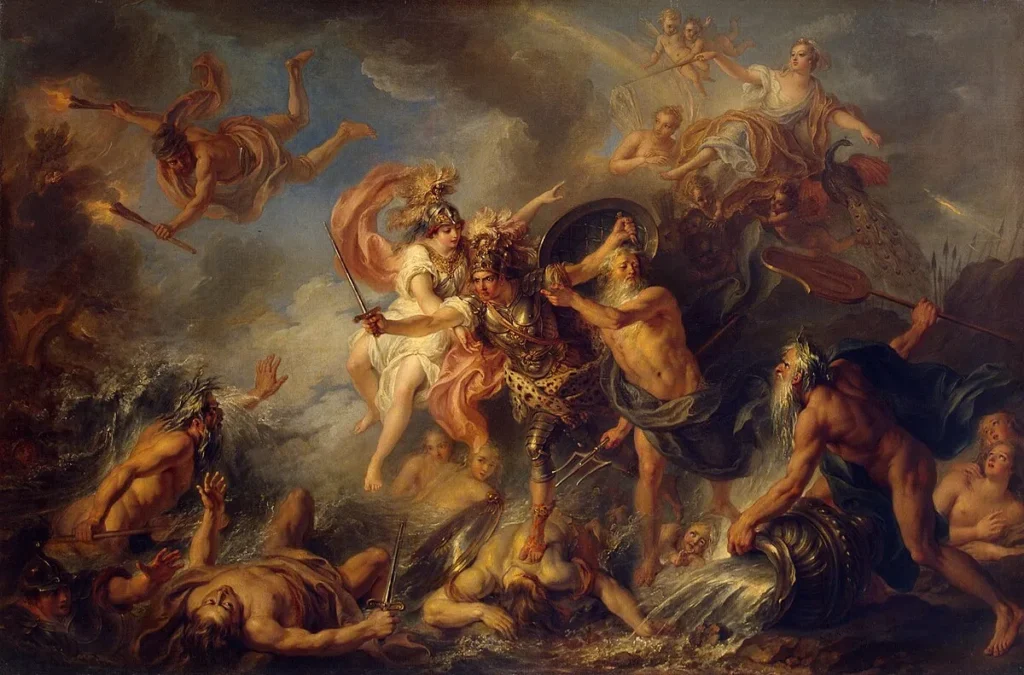
Achilles death became one of Greek mythology’s most powerful symbols. The greatest warrior, seemingly invincible in battle, falls to an arrow shot by the least impressive Trojan prince. Apollo’s involvement adds divine justice to what might otherwise seem like unheroic luck.
The death speaks to Greek anxieties about mortality and heroism. Even the best warrior cannot escape death. Glory lasts beyond life, but life itself ends for everyone. Achilles chose fame over years, yet he dies not in glorious single combat but from an arrow to the ankle.
Later ages transformed this story by adding the invulnerable body motif. The vulnerable heel became a metaphor for fatal weaknesses in otherwise strong systems. Modern English speakers use “Achilles’ heel” constantly without knowing the phrase comes from Roman poetry, not Greek mythology.
The original Greek version offered a different lesson. Achilles was mortal, exceptional but not invulnerable. His death proved that skill and divine favor cannot prevent fate. The ankle wound tradition showed that even protected warriors have vulnerable points. These Greek insights got obscured when Romans invented a magical origin for Achilles’ single weak spot.