
Ancient Warfare And Tactics
Articles tagged Ancient Warfare And Tactics.
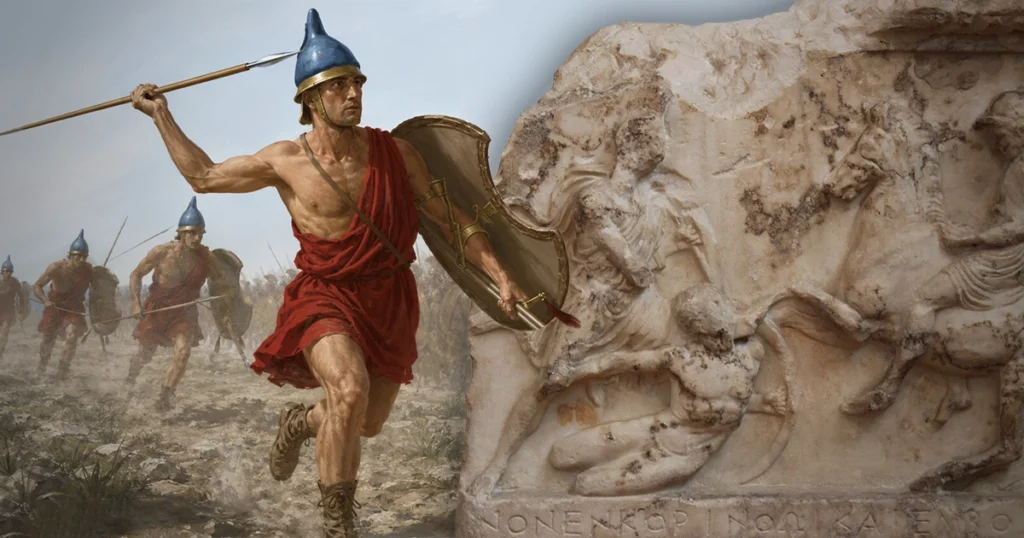
Peltasts: How Javelin Troops Defeated Spartan Hoplites
In 390 BCE, Iphicrates’ peltasts killed about 250 Spartan soldiers near Lechaeum. Xenophon explains how mobile javelin troops defeated unsupported hoplites.
Did Ancient Soldiers Have PTSD? The Debate Dividing Historians
Greek, Mesopotamian and Roman accounts reveal combat fear and distress. Historians disagree over whether any can establish an ancient case of PTSD.
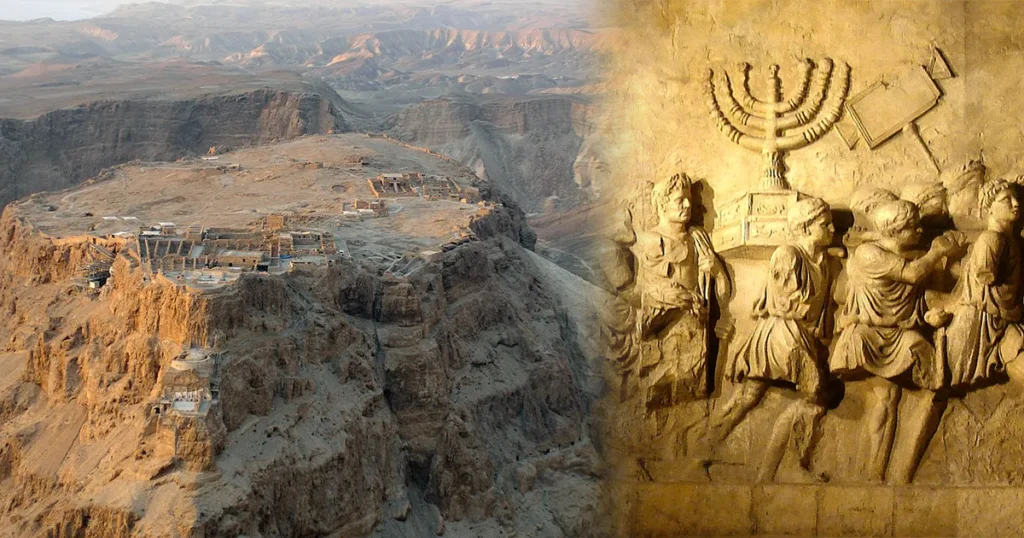
Siege of Masada: Jewish Rebels’ Last Stand Against Rome
Rome captured Masada in 73 or 74 CE. Josephus described 960 deaths, but the siege works, skeletons and inscribed pottery leave the rebels’ final...
Ancient Army Scouts: How Greek and Roman Armies Gathered Intelligence
Greek and Roman armies used scouts, informants and signals to track enemies. Caesar, Ammianus and Adrianople show how reports shaped battles.
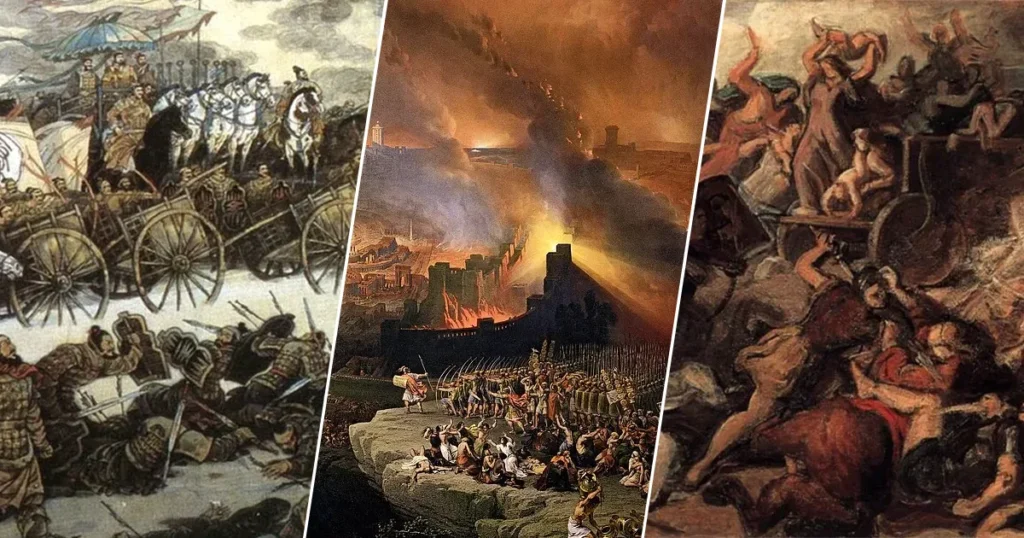
7 of the Bloodiest Battles and Sieges in Ancient History
Changping, Jerusalem and five more ancient disasters show why enormous battle death tolls survive, and why historians question them.

What Happened After Ancient Battles?
After ancient battles, victors collected weapons and prisoners while families struggled to recover the dead. Greek truces and archaeology show what followed.

Parthian Cataphracts: The Armored Cavalry Rome Feared
Parthian cataphracts combined heavy armour, long lances and mounted archery. Their role at Carrhae, what their equipment reveals and where the evidence ends.
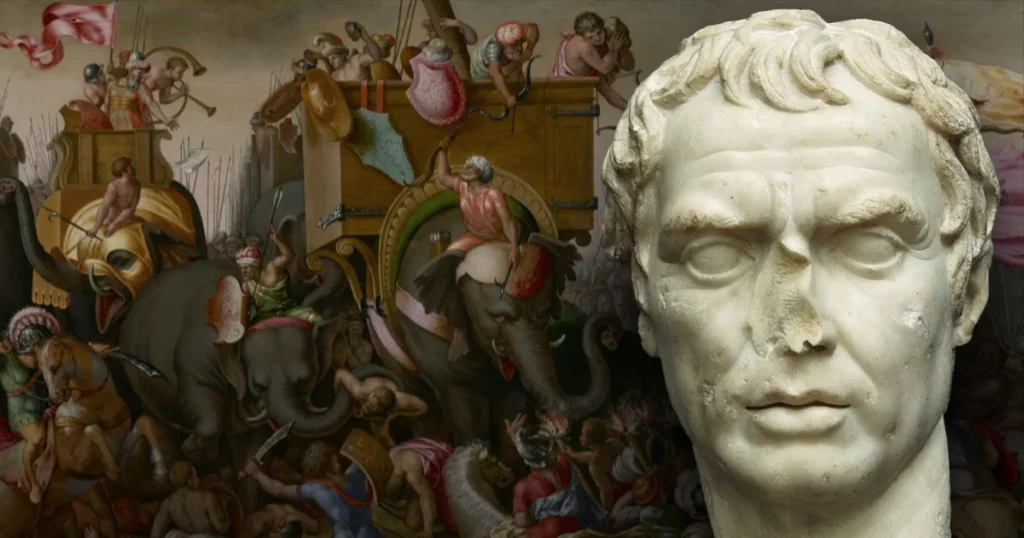
The Battle of Zama: How Scipio Defeated Hannibal
At Zama in 202 BCE, Scipio defeated Hannibal through infantry discipline, Masinissa’s cavalry and a battle far harder fought than the familiar elephant story.
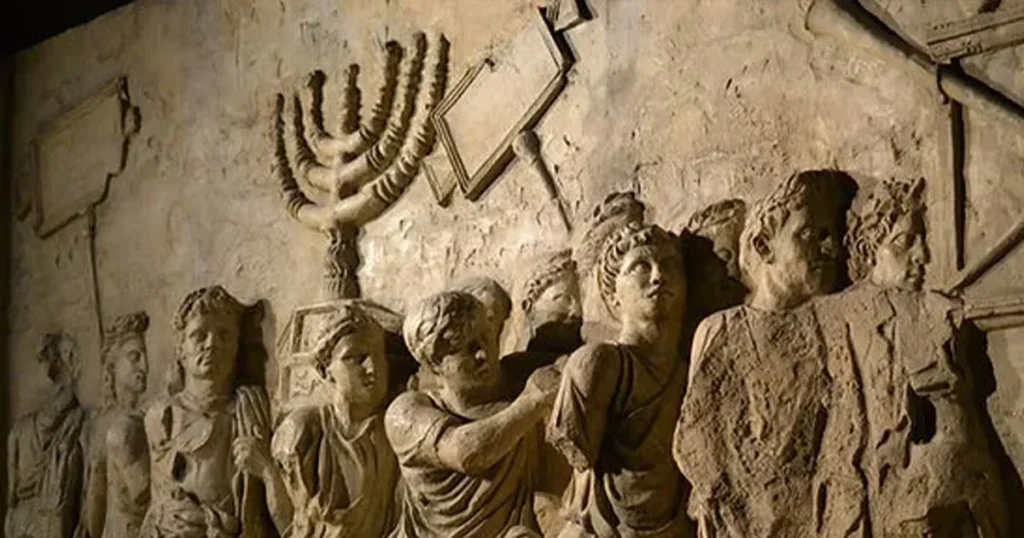
What Counts as Loot in War? From Booty to War Crimes
Ancient armies rewarded soldiers with spoils. Modern law bans pillage but still permits some military seizures. The difference depends on ownership, purpose and law.
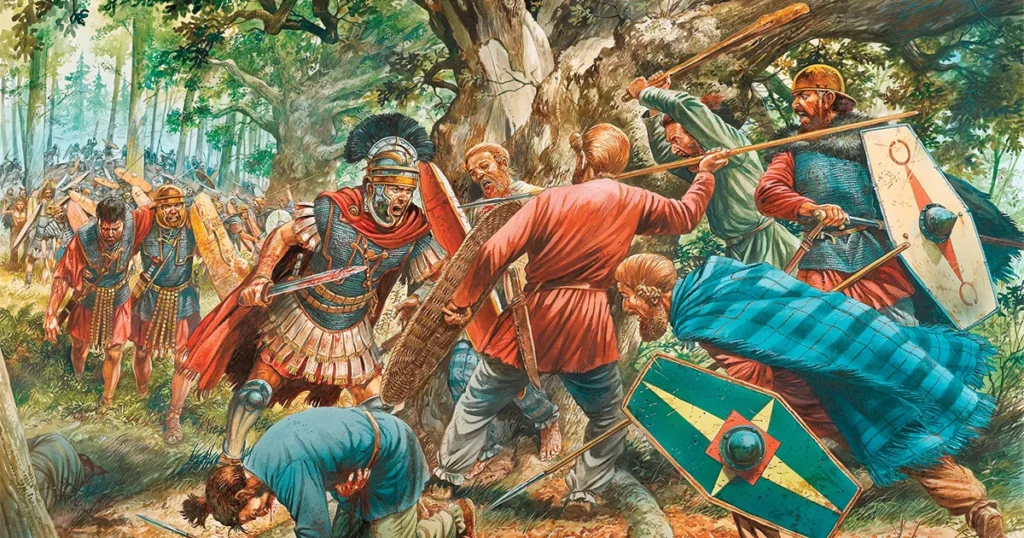
Ancient Ambush Tactics: How Terrain and Timing Won Battles
At Trasimene, Teutoburg and the Caudine Forks, ancient commanders exploited narrow routes, surprise and broken communications to trap Roman armies.
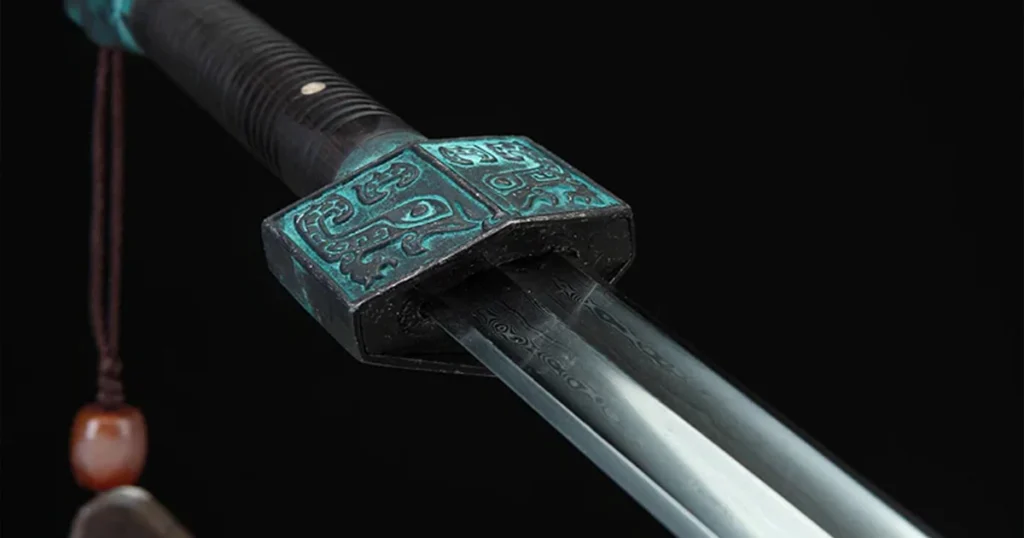
Qin Bronze Weapons: Why They Stayed Sharp
The Terracotta Army’s bronze swords and arrowheads survived for 2,200 years. Archaeological research explains their sharp edges, soil chemistry and the chromium myth.

Prehistoric Warfare: Raids, Mass Graves and Bronze Age Battles
Prehistoric warfare left evidence at Jebel Sahaba, Nataruk, Neolithic massacre sites and Tollense. What can archaeology prove about violence before states?