Ancient Trade And Economies
Articles tagged Ancient Trade And Economies.
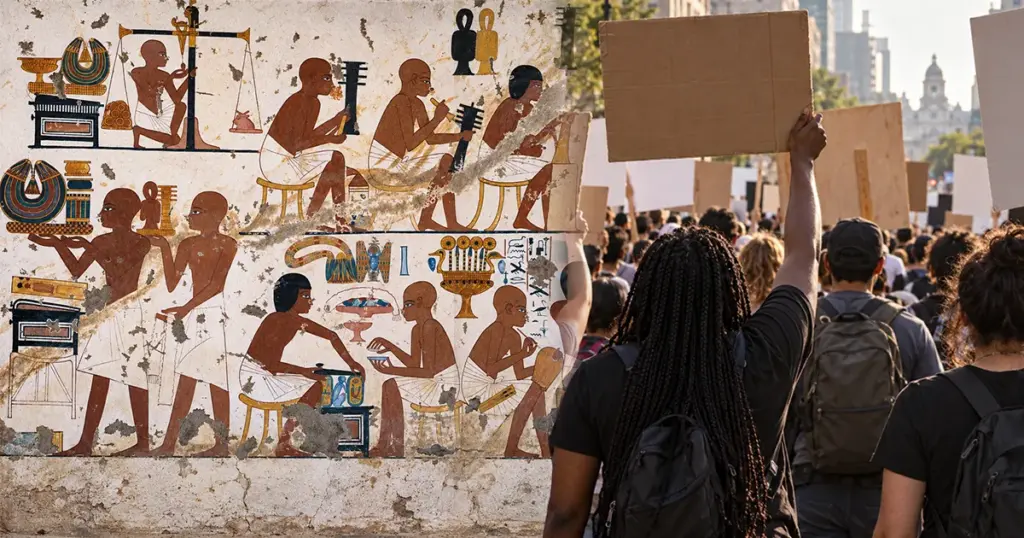
Why Did Ancient Egyptian Workers Go on Strike?
Unpaid grain wages drove Deir el-Medina’s royal tomb builders to stop work under Ramesses III, leaving a detailed record of their demands and protests.

The Inca Labor Tax System That Built an Empire Without Money
The Inca mit'a was a rotating labor tax that supplied roads, fields, armies and storehouses. How the system worked and what it cost Andean...
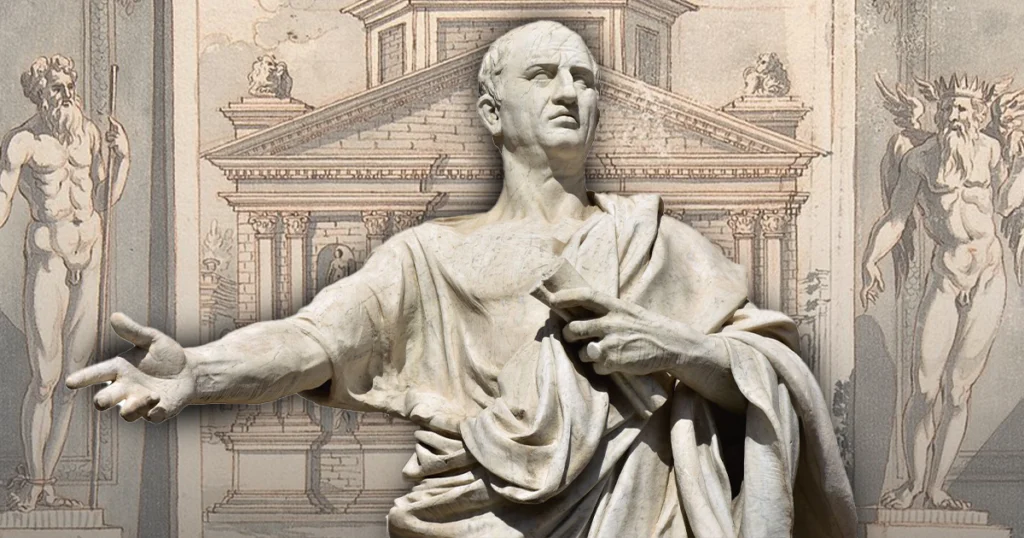
Roman Quaestors: The Officials Who Managed Rome’s Money
Roman quaestors supervised treasury accounts, provincial finances and military supplies. Cicero’s case against Verres reveals the limits of their power.
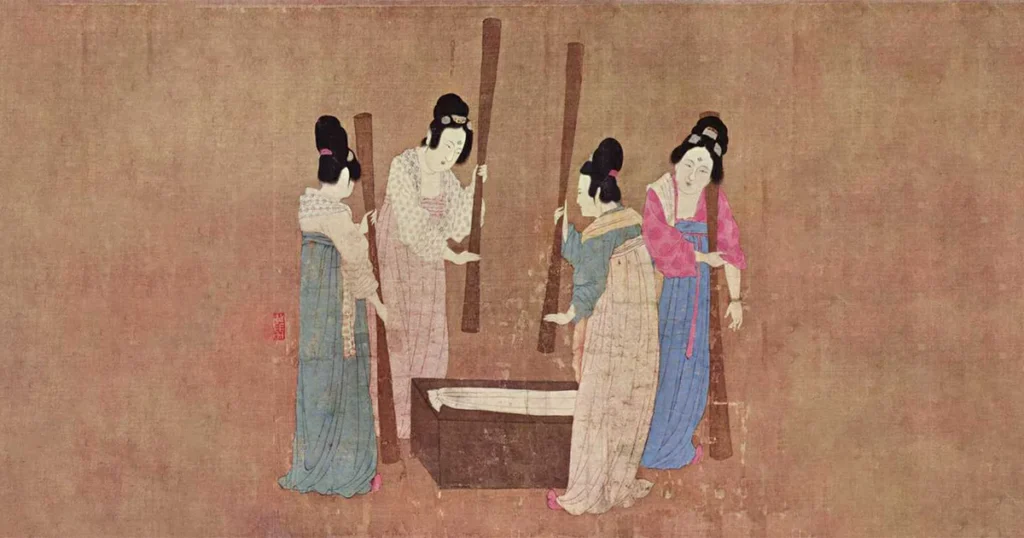
Byzantine Silk: How Monks Brought Silkworm Eggs to Justinian
Procopius says monks brought silkworm eggs to Justinian's court. A rival account names a Persian, and the empire continued to depend on imported silk.
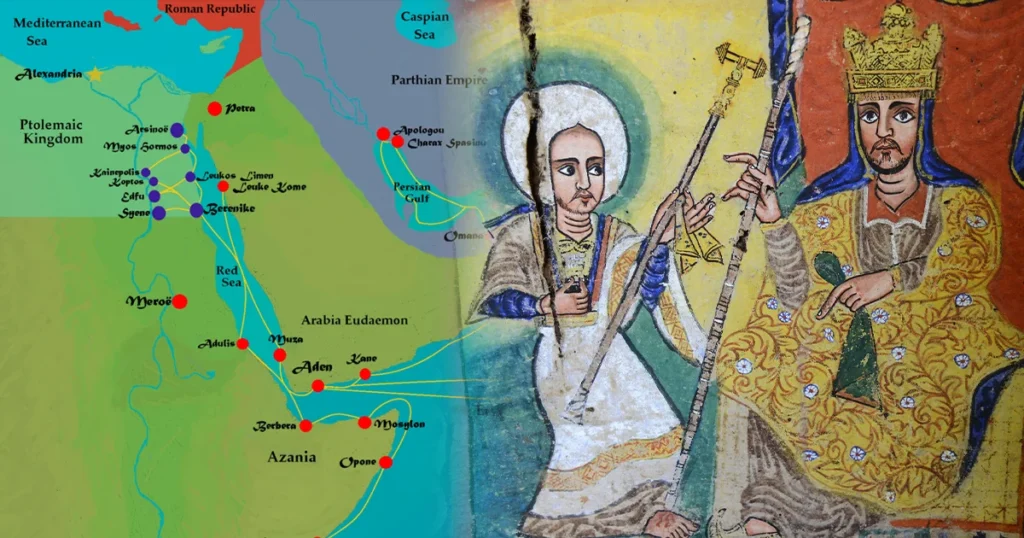
How Aksum Became a Power in Red Sea Trade
Aksum grew wealthy through Adulis, ivory, inland trade routes and coinage. Ancient texts and archaeology reveal the kingdom’s reach and its limits.
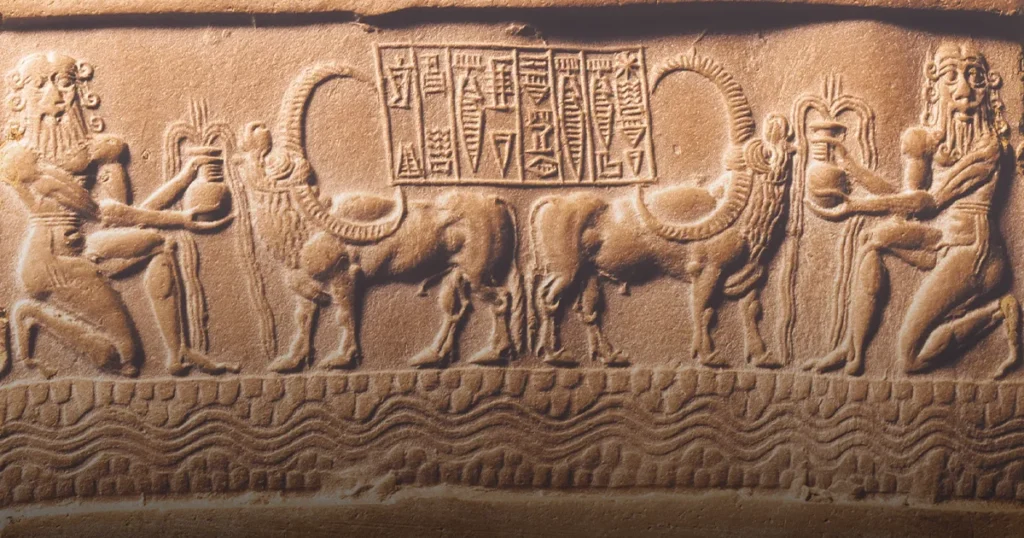
Ancient Mesopotamia: Life, Innovation, and Empire
Ancient Mesopotamia grew around rivers and canals. Its people built cities, developed writing, traded, worshipped and created powerful empires.
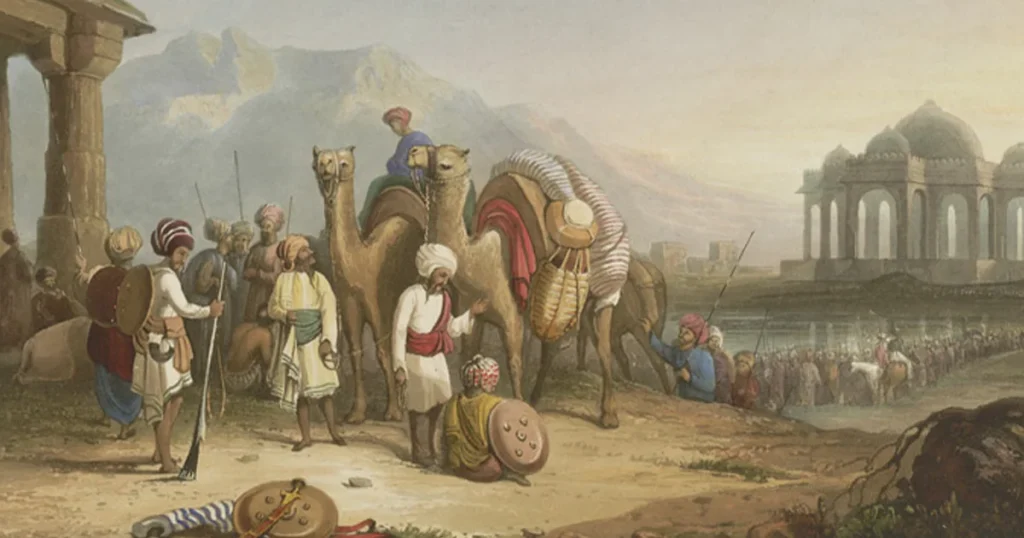
What Did Ancient Travellers Pack for a Long Journey?
Ancient travellers carried cloaks, food, water containers and money, but their baggage depended on the route. Ancient texts and finds reveal what we can...

Ancient Temple Accounts: How Festivals Were Funded
From Delos to Roman Egypt and Babylon, temple accounts reveal who supplied sacrifices, paid performers and financed ancient religious festivals.
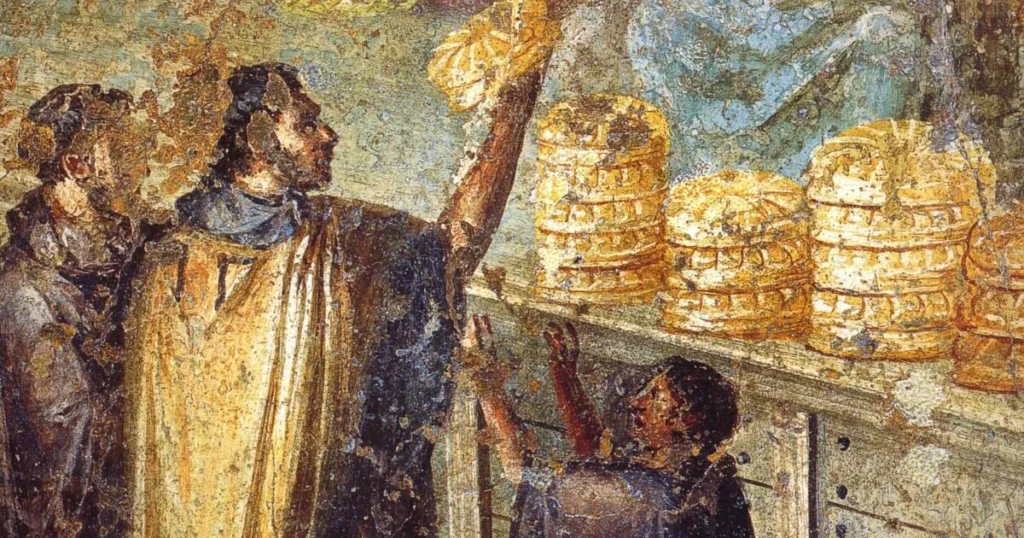
The Annona and Grain Dole: How Rome Kept Its People Fed
How did ancient Rome feed its population? Follow the annona and grain dole from African and Egyptian wheat to Portus, warehouses, distribution and bread.
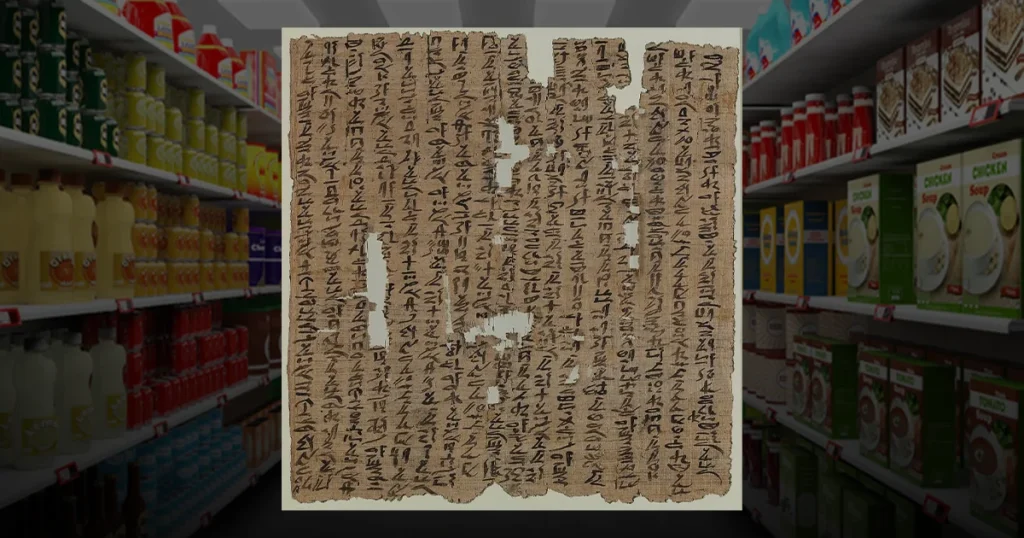
Ancient Egyptian Shopping Lists: Grain, Oil, and Household Accounts
Egyptian papyri recorded grain, debts, rations and household possessions. Heqanakht’s letters reveal how people managed supplies nearly 4,000 years ago.
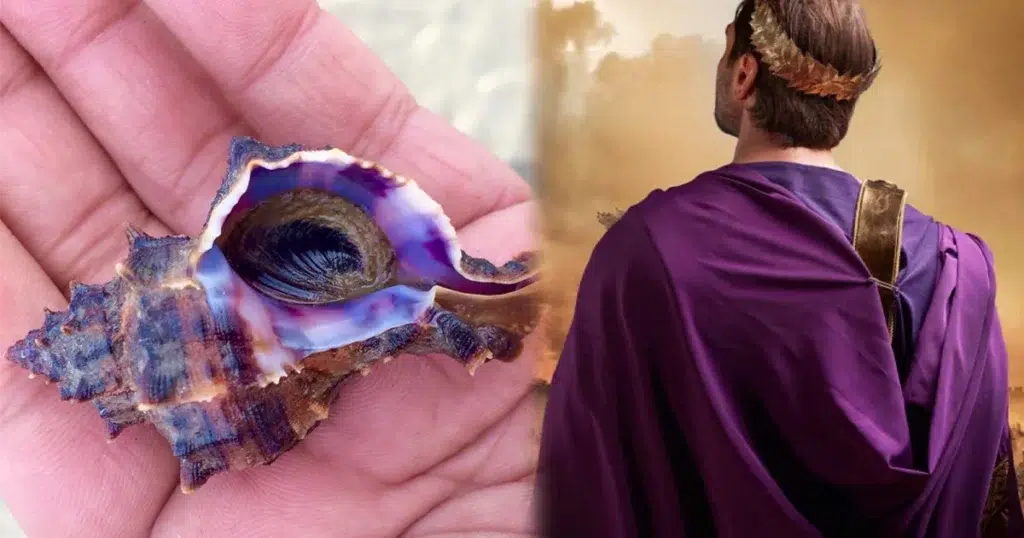
Tyrian Purple: The Ancient Dye of Kings and Emperors
Tyrian purple came from Mediterranean sea snails. Ancient workshops, Roman dress codes and surviving textiles reveal why the colour became a symbol of power.
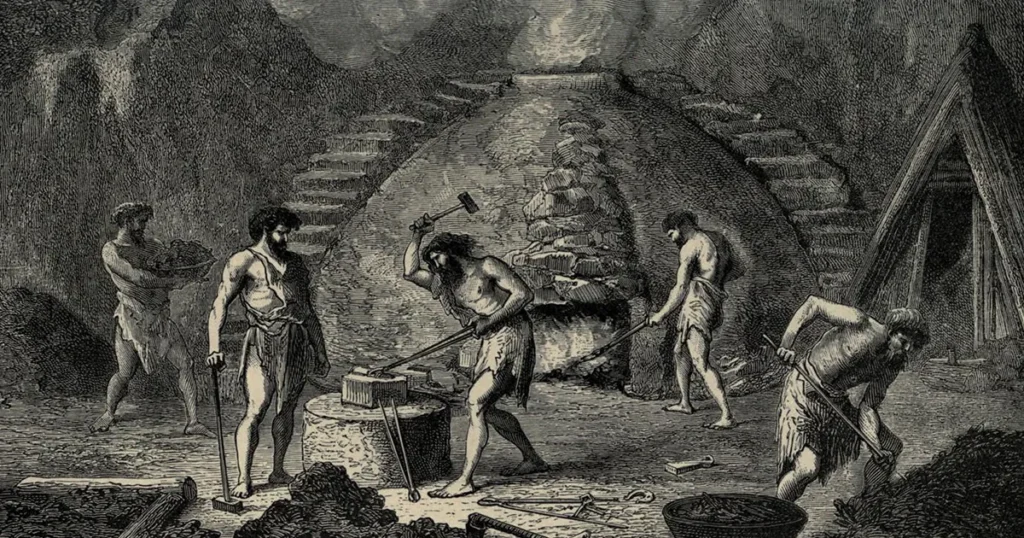
Hallstatt Salt Mines: How Salt Shaped Celtic Europe
At Hallstatt, prehistoric miners built vast salt workings. Preserved tools, food remains and rich graves reveal how salt supported Alpine trade and Iron Age...