
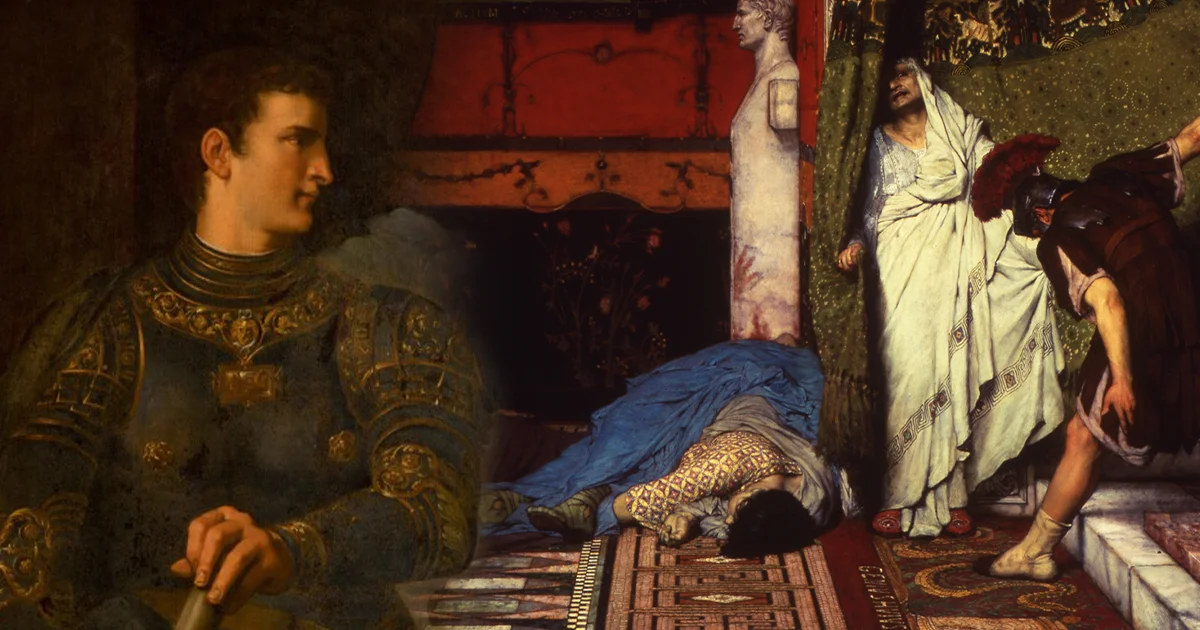
The Praetorian Guard, Rome’s most elite imperial bodyguards, murdered their own emperor in 41 AD. Gaius Caesar, known as Caligula, fell to a conspiracy led by tribune Cassius Chaerea in a covered gallery connecting the imperial palace to a temporary theater. The Caligula assassination ended nearly four years of erratic rule and demonstrated how the very soldiers sworn to protect could become the empire’s most dangerous threat.
The Man Behind the Plot
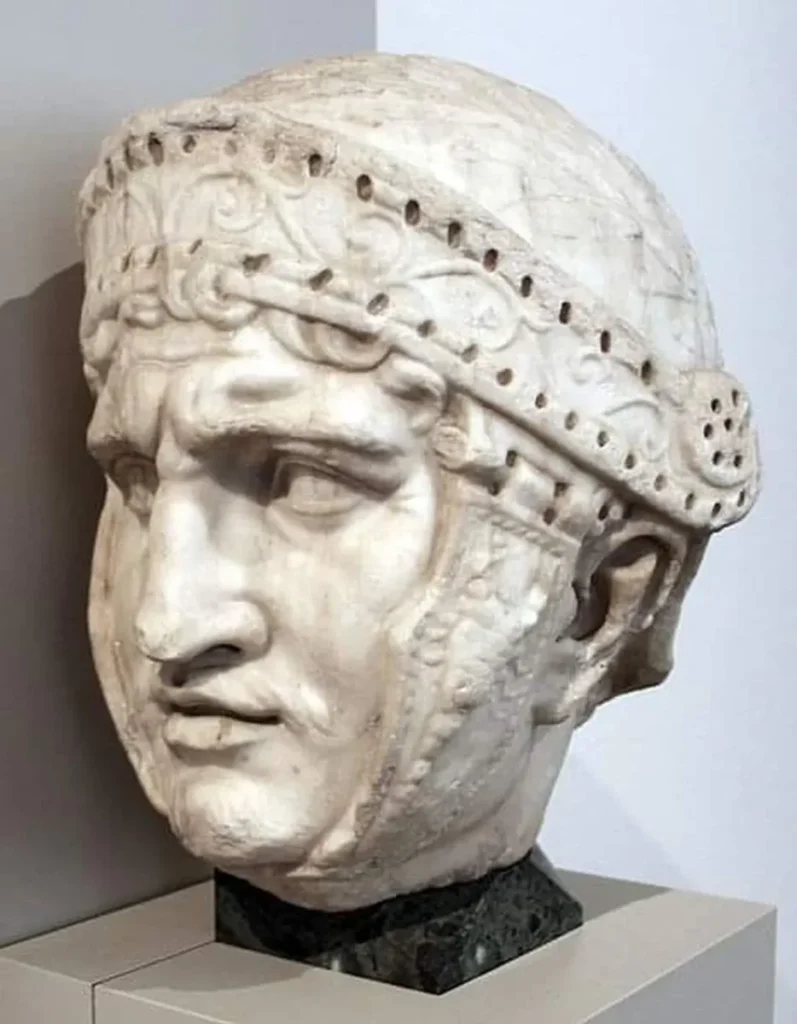
Cassius Chaerea served as tribune of a Praetorian cohort, a decorated veteran who survived the Teutoburg Forest massacre in 9 AD. His military record commanded respect among Rome’s fighting men. Yet Caligula mocked him relentlessly for his high-pitched voice, assigning him humiliating watchwords like “Priapus” and “Venus” when Chaerea requested the daily password.
The emperor’s insults went beyond words. When Chaerea thanked Caligula for anything, the emperor extended his hand in obscene gestures, forming and moving it lewdly. These public humiliations ate at Chaerea’s dignity. A man who faced Germanic warriors now endured daily mockery from the boy he protected.
Dangerous Paranoia in the Palace
Caligula’s behavior grew increasingly erratic after 39 AD. He accused trusted advisors without evidence, worrying both Callistus and the Praetorian prefects about their own safety. The emperor threatened those closest to him, creating an atmosphere where survival meant striking first.
Court officials and household staff lived in constant fear. Baseless accusations could result in execution without trial. The Praetorian Guard existed to protect the emperor, yet increasingly these same guards realized they faced the greatest danger from the man they served.
By early 41 AD, multiple factions within the palace recognized that removing Caligula offered better survival odds than keeping him alive. The conspiracy grew beyond a few angry guardsmen. Senators, equestrians, and high-ranking household members all knew the plot was forming.
The Plan Takes Shape
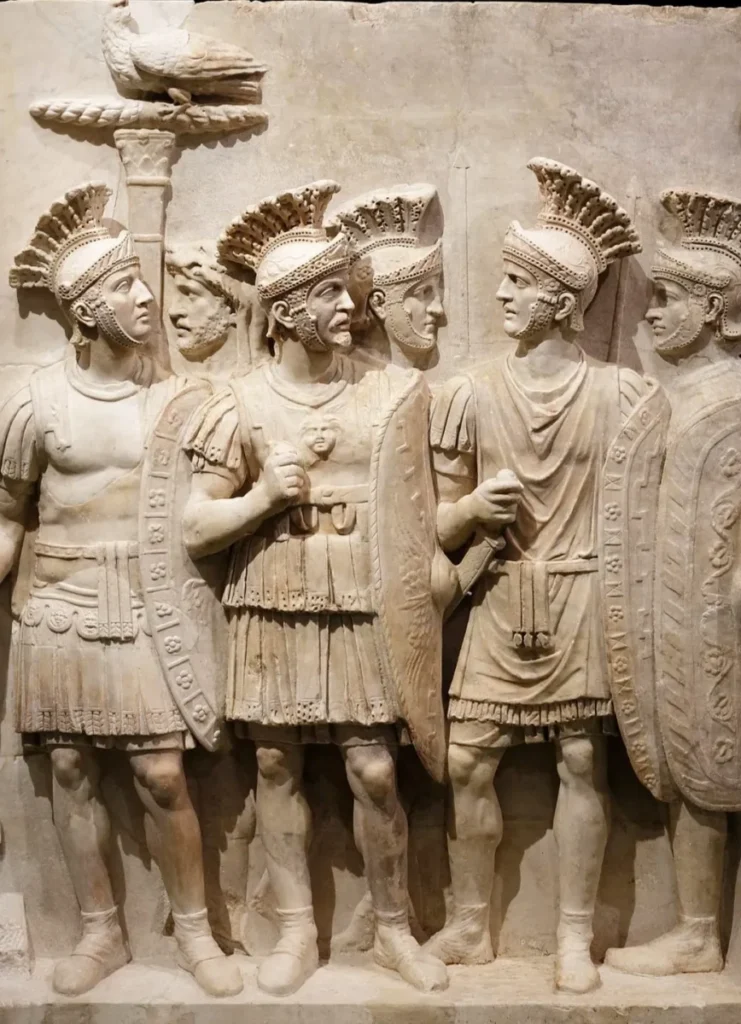
Planning an emperor’s murder required extraordinary courage and coordination. The conspirators faced execution if discovered. Chaerea and fellow tribune Cornelius Sabinus led the military side of the plot. They needed Senate backing to legitimize what came after.
The key challenge was separating Caligula from his Germanic bodyguards. These foreign soldiers remained fiercely loyal and heavily armed. Getting the emperor away from them long enough to strike demanded careful timing.
January 24, 41 AD presented the opportunity. The Palatine Games brought theatrical performances to a temporary wooden structure beside the imperial palace. A covered gallery connected the theater to the palace. During a performance break, the conspirators could catch Caligula moving through this narrow passage without his German guards.
Built out of a love for history, kept free from distractions.
Spoken Past is an independent project shaped by curiosity, care, and long hours of research. Reader support helps keep it maintained, carefully researched, and open to everyone.
The Strike in the Gallery
The conspirators detained Caligula in the covered gallery. Chaerea asked for the day’s watchword, the prearranged signal. The tribune struck first, slashing the emperor’s face. Other Praetorians joined immediately, stabbing repeatedly. Ancient sources report thirty separate wounds covering Caligula’s body.
The attackers aimed for the neck and chest but also struck his genitals. This deliberate mutilation expressed their rage and contempt. Within moments, the twenty-eight-year-old emperor lay dead on the gallery floor.
Chaos erupted throughout the palace complex. The Germanic guards rampaged through rooms searching for anyone involved. They killed several innocent people caught in their path. Meanwhile, the theater audience received conflicting reports about whether Caligula was wounded or dead.
Securing the New Order
The conspirators murdered Caligula’s wife Caesonia and their infant daughter Drusilla. Soldiers smashed the child’s head against a wall. These killings aimed to eliminate any Julio-Claudian heirs who might rally opposition. The plotters sought to end the dynasty completely.
Roman consuls moved with remarkable speed. They transferred imperial treasury funds to the Capitoline Hill where guards could easily defend them. Money meant power in Rome. The swift securing of these resources suggests the consuls knew the plot beforehand and prepared to restore senatorial government.
The Senate proclaimed restoration of the Republic. For two days, Rome existed without an emperor. Consuls and senators controlled the city, backed by Praetorian officers who killed Caligula. The dream of republican restoration seemed within reach.
The Guard Finds a New Emperor
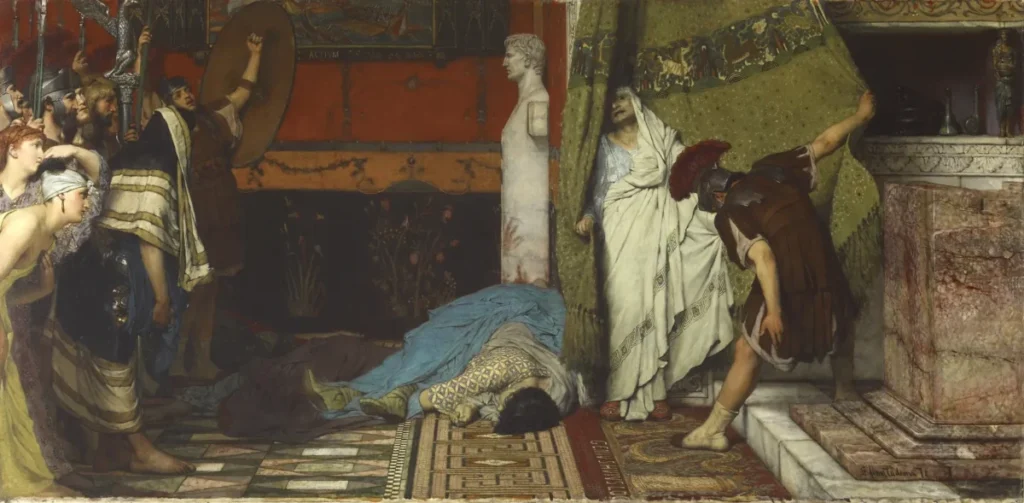
Praetorian Guards pillaging the palace discovered Claudius, Caligula’s uncle, hiding behind a curtain. The fifty-year-old suffered from physical disabilities including a limp and speech impediment. His family considered him weak and kept him from public life.
The Praetorians needed an emperor to justify their own existence and privileges. Without an emperor, the guard had no purpose. They brought Claudius to their camp and proclaimed him emperor, the first chosen solely by Praetorian backing.
Claudius compensated each guardsman with 15,000 sesterces, worth five years’ salary. This massive bonus bought their loyalty and established a dangerous precedent. Future emperors would need Praetorian approval, often purchased with gold. The Senate’s republican dreams died when Claudius accepted the purple.
Justice and Memory
Claudius faced a delicate political situation. Many senators and guards supported the Caligula assassination. Punishing everyone involved risked civil war. The new emperor needed to establish authority without creating enemies.
Claudius executed only Cassius Chaerea for taking personal initiative to murder Caesonia and the infant. The emperor pardoned other conspirators with the understanding that future activities would be closely monitored. This selective justice sent a clear message about proper conduct while avoiding widespread purges.
Caligula’s memory suffered systematic destruction. His statues were smashed throughout Rome. Official records were altered to diminish his achievements. Later historians, writing under senatorial approval, portrayed him as insane and monstrous. The Caligula assassination became justified as removing a tyrant rather than murdering a legitimate ruler.