Ancient Technology And Materials
Articles tagged Ancient Technology And Materials.
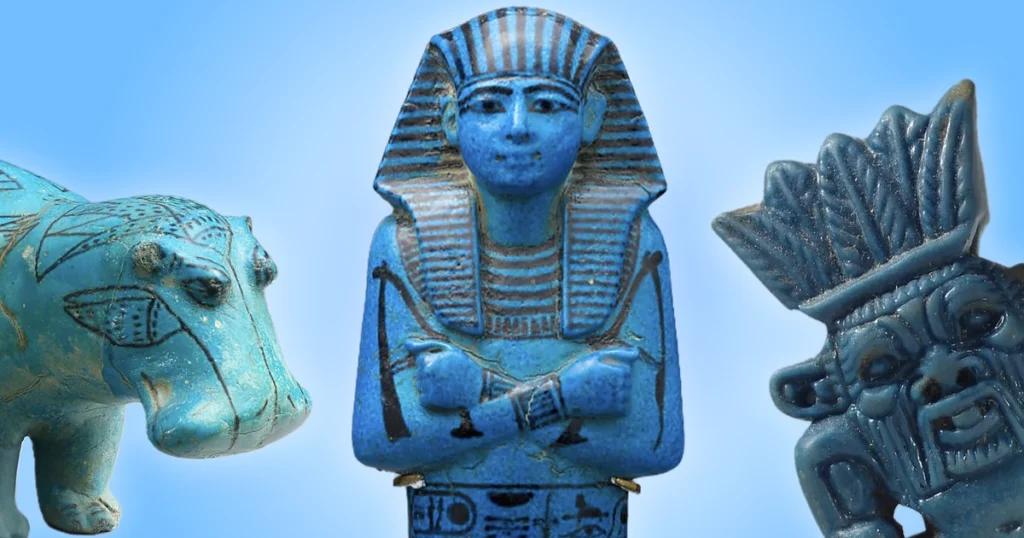
What Is Egyptian Faience? The Blue Ceramic Made Without Clay
Egyptian faience was made from crushed quartz, salts and copper. Learn how its blue glaze formed, why it mattered and where it was made.
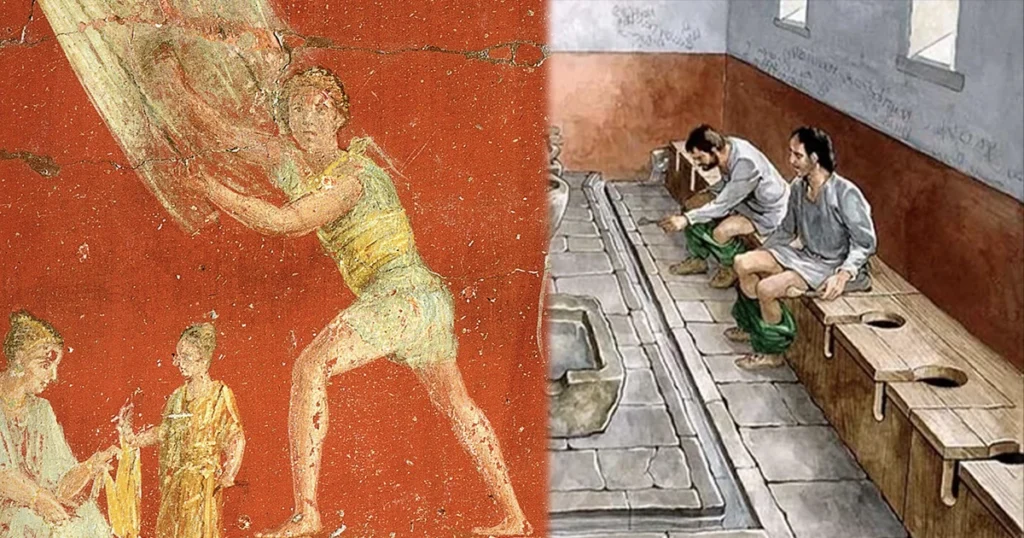
How Roman Fullers Used Urine to Clean Clothes
Roman fullers cleaned and finished wool using alkaline liquids, mineral earths and repeated rinsing. Pompeii reveals their workshops and why stale urine was useful.
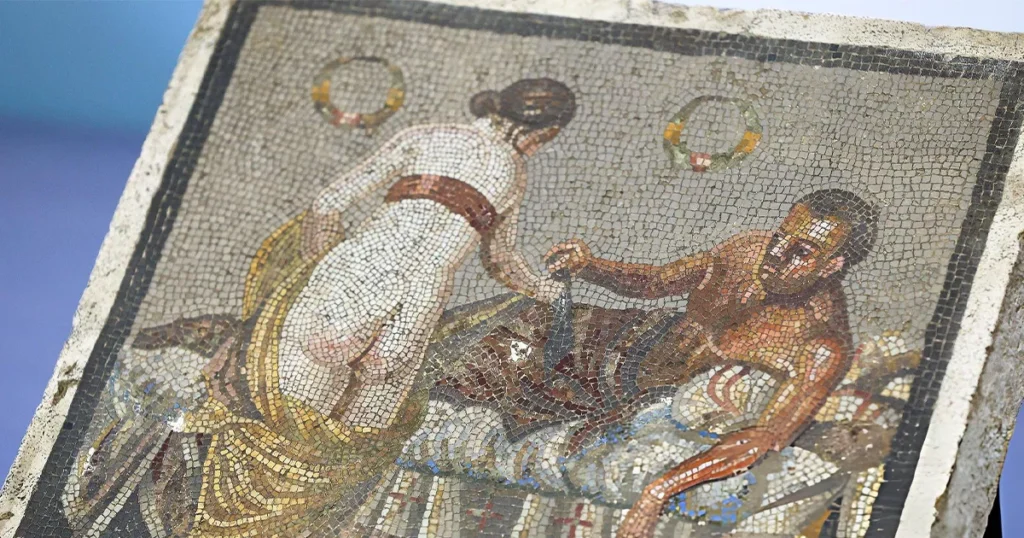
How Were Roman Mosaics Made?
Roman mosaicists built floors in layers, cut stone and glass into tesserae, and arranged detailed pictures in mortar. Excavated pavements reveal how they worked.

Roman Surveying Tools That Measured an Empire
How Roman surveyors used the groma, chorobates and measuring rods to lay out roads, aqueducts and land grids, and what the surviving evidence proves.

5 Roman Innovations That Still Shape Modern Life
Roman concrete, aqueducts, roads, arches and heated floors changed the built world. What the Romans invented, adapted and left behind is more complex.

Sextus Julius Frontinus: The General Who Managed Rome’s Water
Sextus Julius Frontinus fought in Roman Britain, compiled military stratagems and investigated Rome’s aqueducts. His writings reveal how imperial government worked.
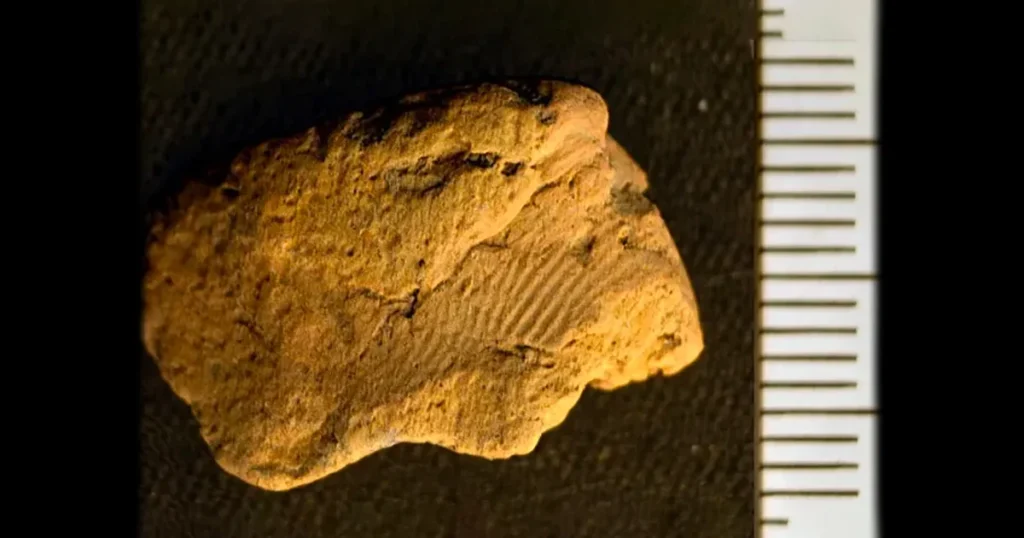
Kiln Fingerprints: How Ceramics Reveal Their Origins
How archaeologists trace pottery to its origins using clay fabrics, kiln debris and chemical analysis, and what those fingerprints cannot prove.
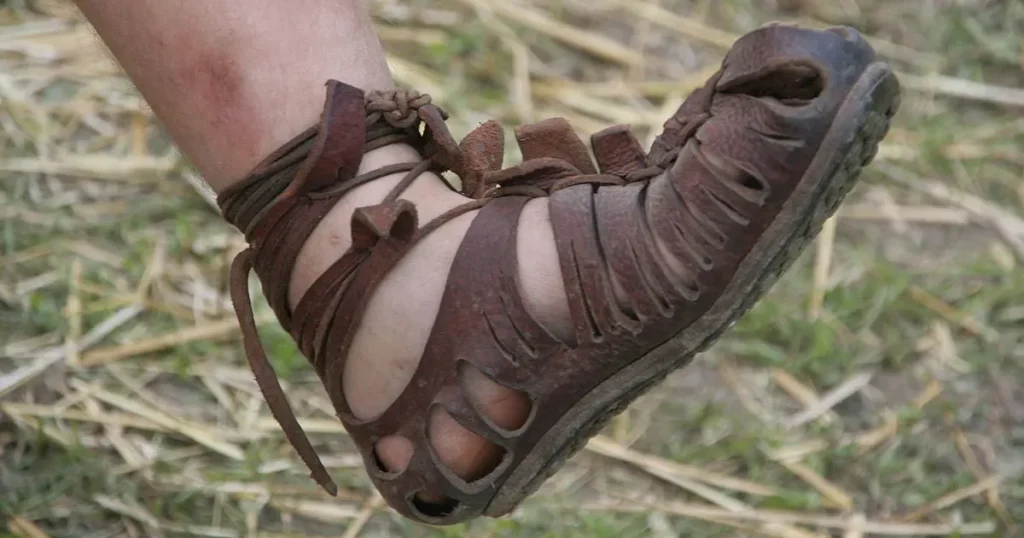
Roman Caligae: How Soldiers’ Hobnailed Boots Worked
Roman caligae were leather military shoes reinforced with iron hobnails. Surviving finds reveal how they were made, worn, repaired and replaced.
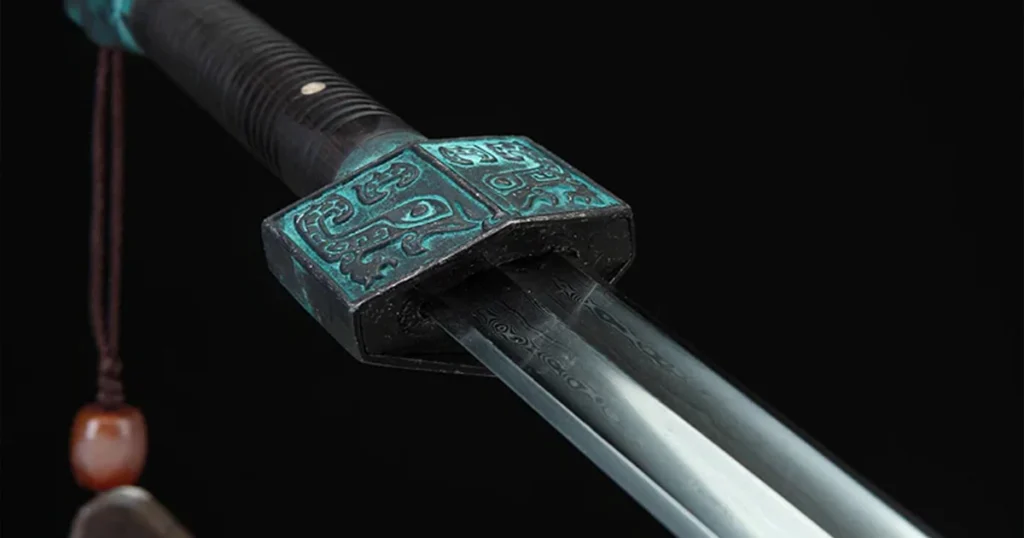
Qin Bronze Weapons: Why They Stayed Sharp
The Terracotta Army’s bronze swords and arrowheads survived for 2,200 years. Archaeological research explains their sharp edges, soil chemistry and the chromium myth.
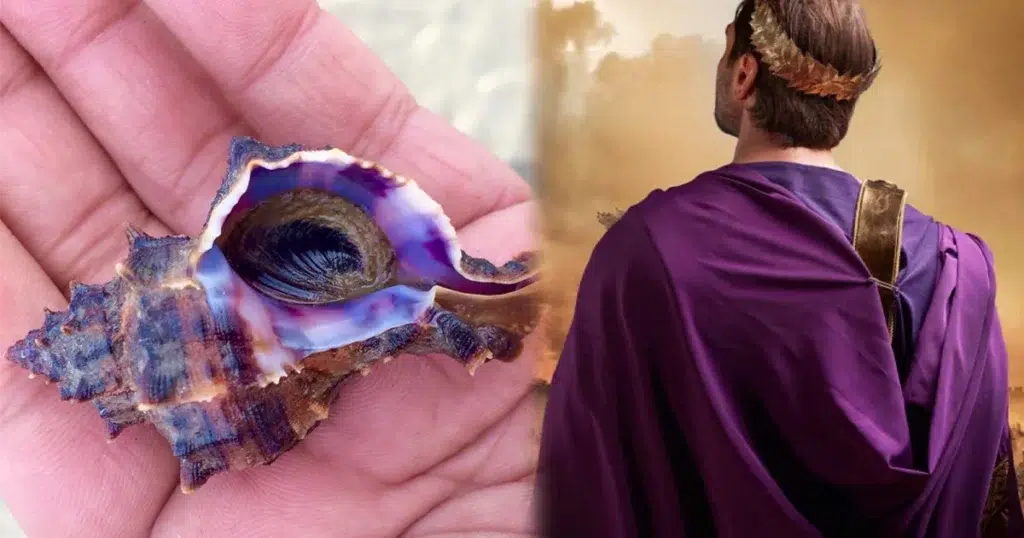
Tyrian Purple: The Ancient Dye of Kings and Emperors
Tyrian purple came from Mediterranean sea snails. Ancient workshops, Roman dress codes and surviving textiles reveal why the colour became a symbol of power.
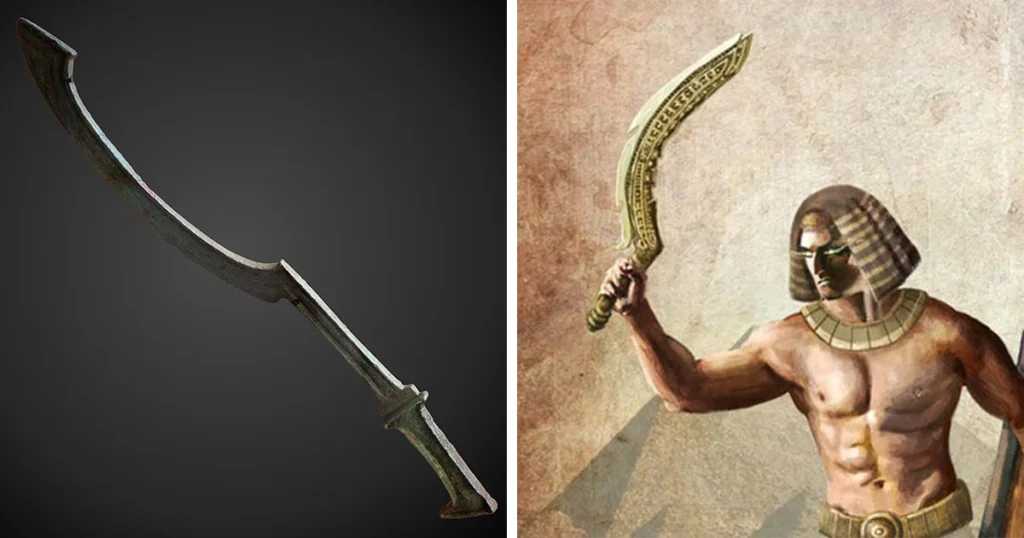
The Khopesh: Egypt’s Curved Sword and Its Place in Warfare
The khopesh was Egypt’s distinctive curved bronze sword. Surviving weapons and temple reliefs reveal its cutting edge, royal symbolism and uncertain battlefield tactics.
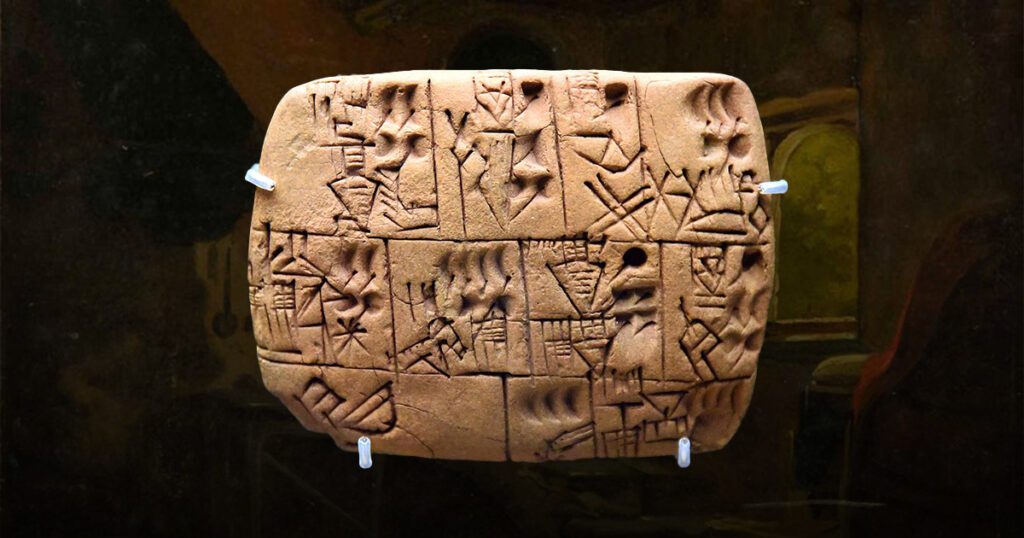
What Did Ancient Economies Use Before Coins?
Before coins, Egyptians priced goods in deben, Mesopotamian merchants used silver accounts, and Bronze Age traders weighed metals across the Mediterranean.