
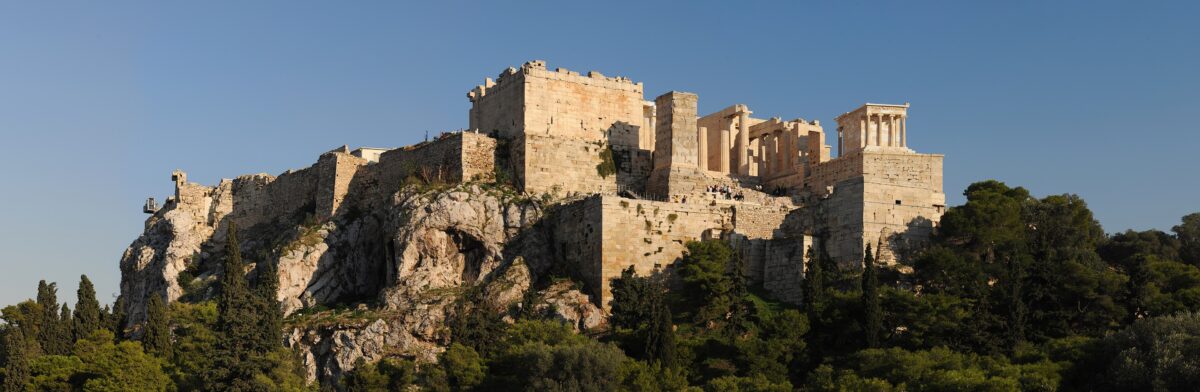
Athens was inhabited long before the famous temples of the fifth century BC. Bronze Age fortifications, the meeting place of the ancient Assembly, Roman imperial buildings, Byzantine churches and the nineteenth-century capital still occupy a relatively compact area. These monuments tell different parts of the city's history. The National Garden and former Royal Palace belong to the formation of modern Greece, while the ruins beside Monastiraki preserve buildings from the Roman and late antique city.
This free guide covers 21 stops. No single admission ticket is needed to follow it. The Acropolis, Ancient Agora, Kerameikos, Temple of Olympian Zeus, Hadrian's Library and Roman Agora all have paid archaeological enclosures, but there are public approaches or viewpoints for the stops covered here. The extent of the free view differs. At the Acropolis you can see the skyline and much of the sanctuary from neighbouring hills; at Kerameikos you look down into a complex of foundations and burial remains from the street. The latter is a historical stop rather than a promise of spectacular standing architecture.
The guide describes what to look at, how the site developed, and which claims come from excavation, inscriptions or later tradition. The dates of some ancient structures and the names of individual ruins remain debated. They are identified as such rather than presented as settled facts.
Understanding the city today
The Acropolis dominates the centre. To its west are the Areopagus, Pnyx, rock-cut houses traditionally called Socrates' Prison and Philopappos Monument. North of the Acropolis are the Ancient Agora, Hadrian's Library and Roman Agora, with Kerameikos farther west along Ermou Street. The Choragic Monument of Lysicrates and Byzantine churches lie in Plaka and the surrounding pedestrian streets. The Arch of Hadrian, Olympieion, National Garden, Parliament and Panathenaic Stadium form a southern and eastern group. The Old Parliament House stands on Stadiou Street north of Syntagma.
The 21 markers in the interactive map preserve the Guide Studio stop order. That order is not the most efficient walk. Use the following groupings instead:
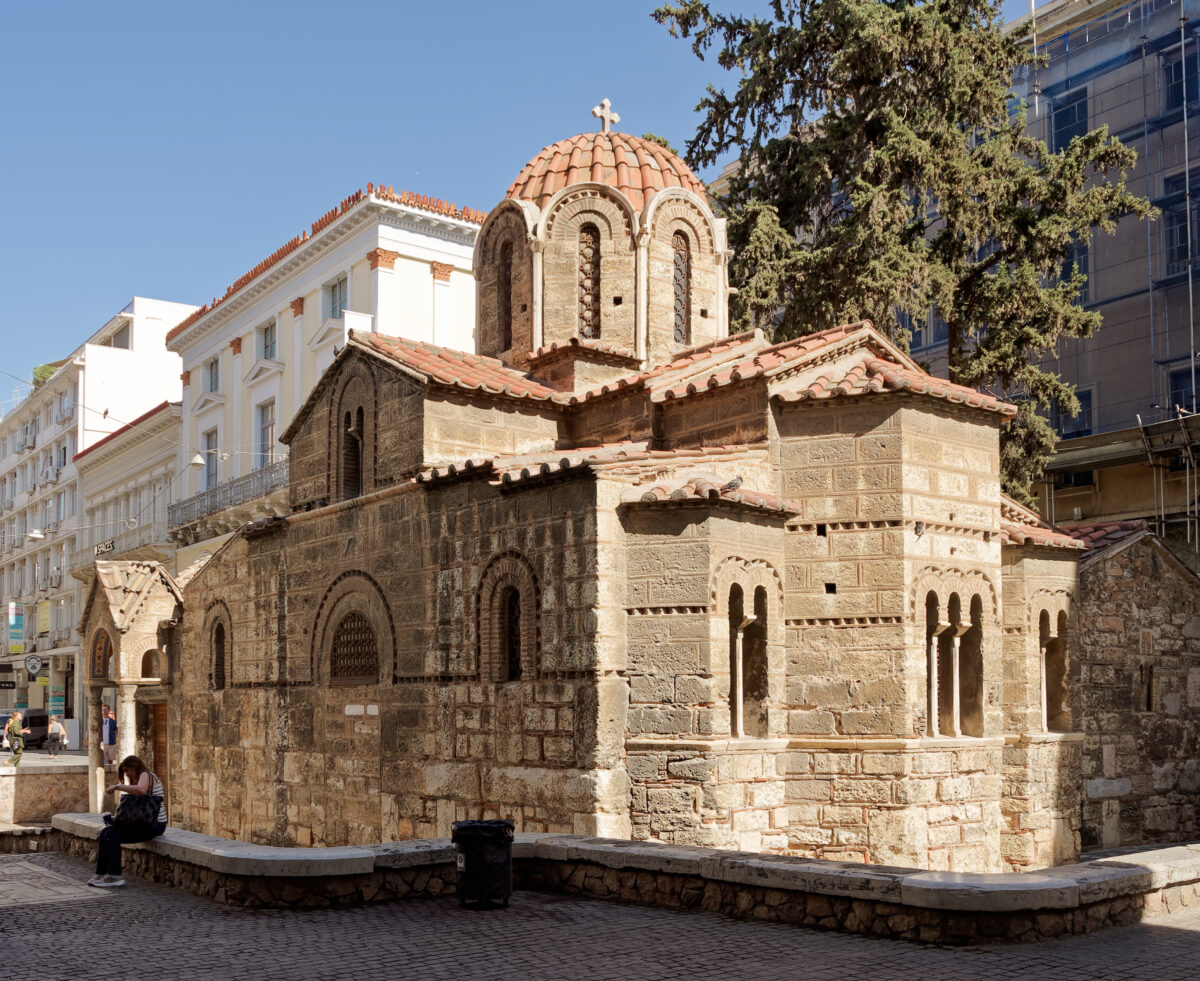
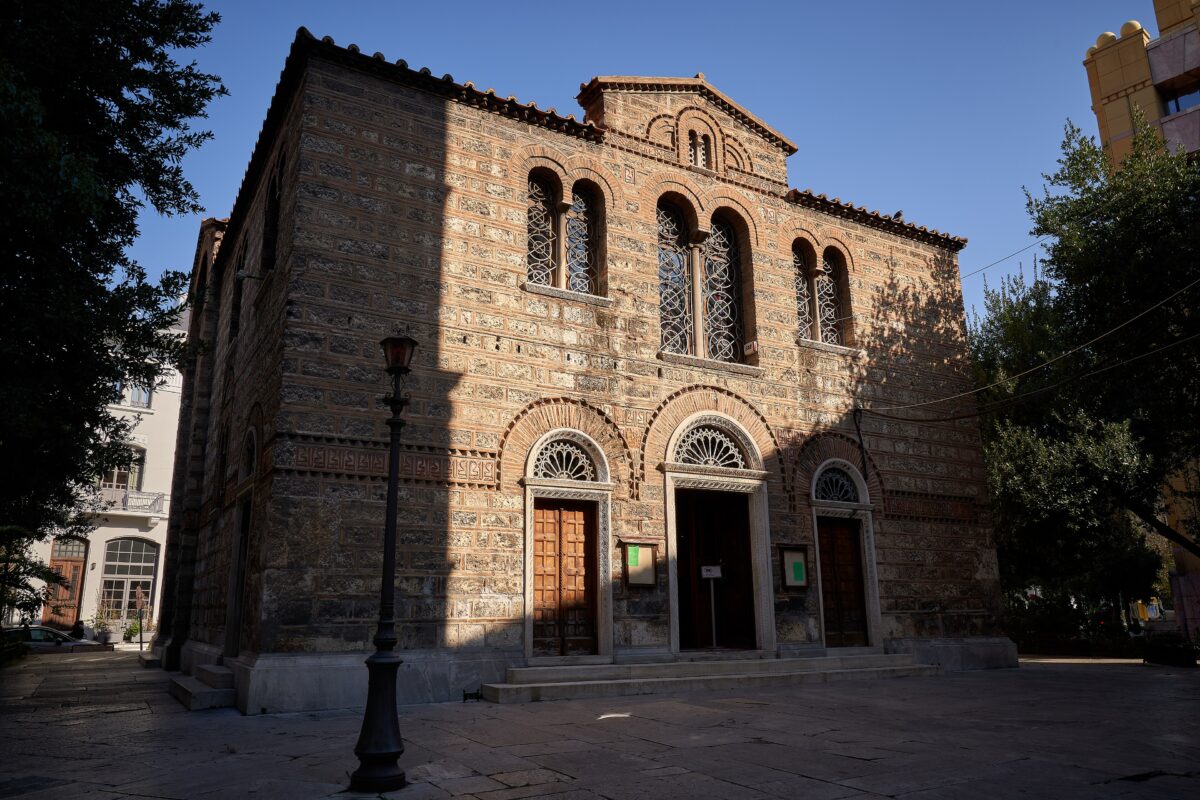
- Ancient centre: Kerameikos, Ancient Agora, Hadrian's Library, Gate of Athena Archegetis and Tower of the Winds. Add Kapnikarea, Little Metropolis and the Metropolitan Cathedral as you move through the centre and Plaka.
- Acropolis and western hills: Acropolis viewpoints, Areopagus, Pnyx, the so-called Prison of Socrates and Philopappos Monument. Paths are steep or stony in places; begin while there is daylight.
- Roman and modern Athens: Choragic Monument of Lysicrates, Arch of Hadrian, Temple of Olympian Zeus, Agia Triada, National Garden, Parliament, Panathenaic Stadium and National Historical Museum. These can be divided into shorter walks.
How long should you allow?
- One full day: Choose the Acropolis exterior views, Areopagus, the Roman monuments around Monastiraki, Plaka and the Parliament. This does not cover every stop.
- Two days: Most of the 21 stops, with time for the western hills, National Garden and stadium.
- Three days: All 21 stops at a slower pace, including Kerameikos, churches and longer history readings. Paid visits to the Acropolis or Ancient Agora deserve additional time.
Visitor information:
Free exterior viewing does not imply free admission to the archaeological area behind a fence. Ticketed sites have separate operators, restrictions and closing times. The following prices apply only if you choose to enter; they are not required to use this sightseeing guide.
Information updated November 2026.
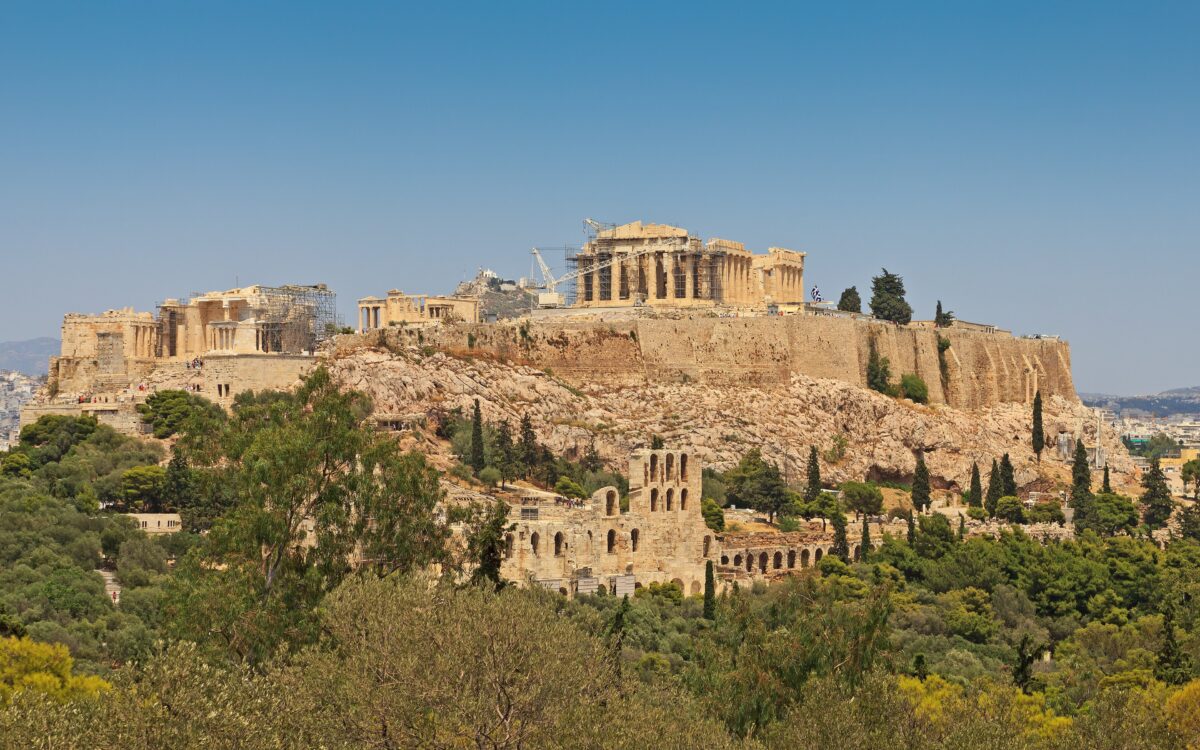
Acropolis of Athens
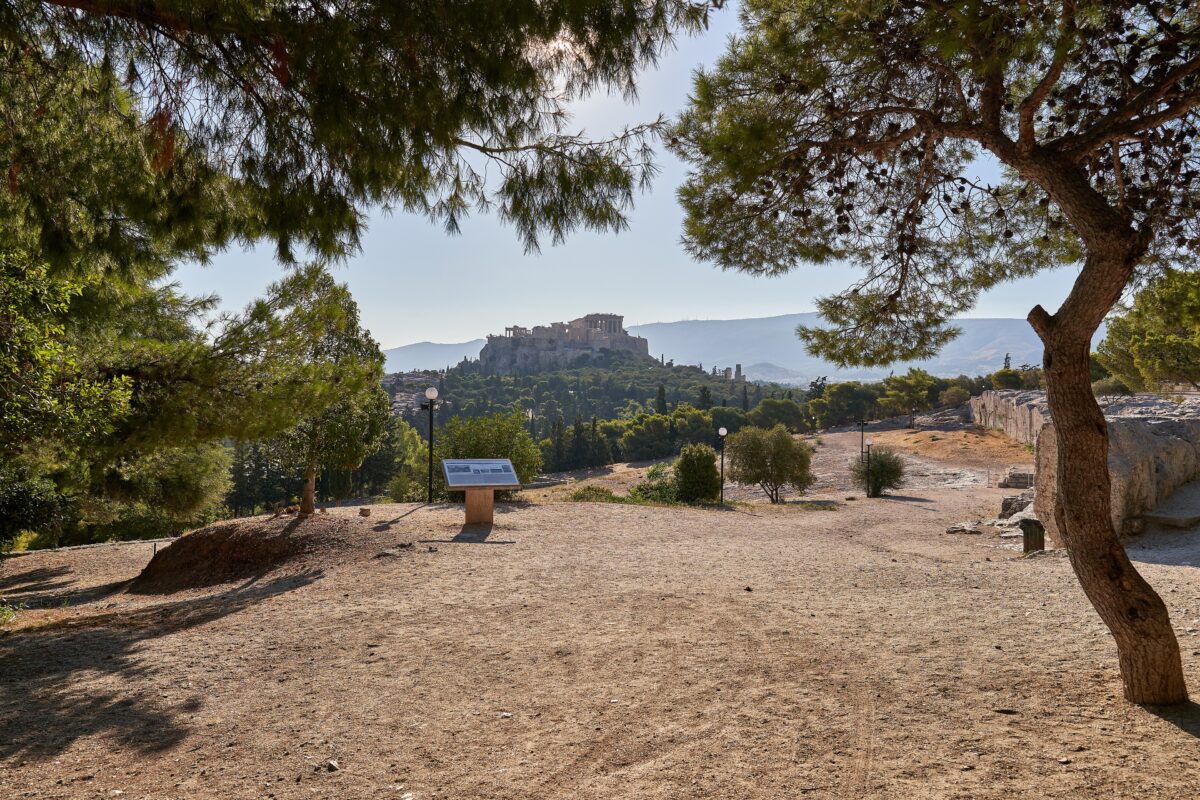
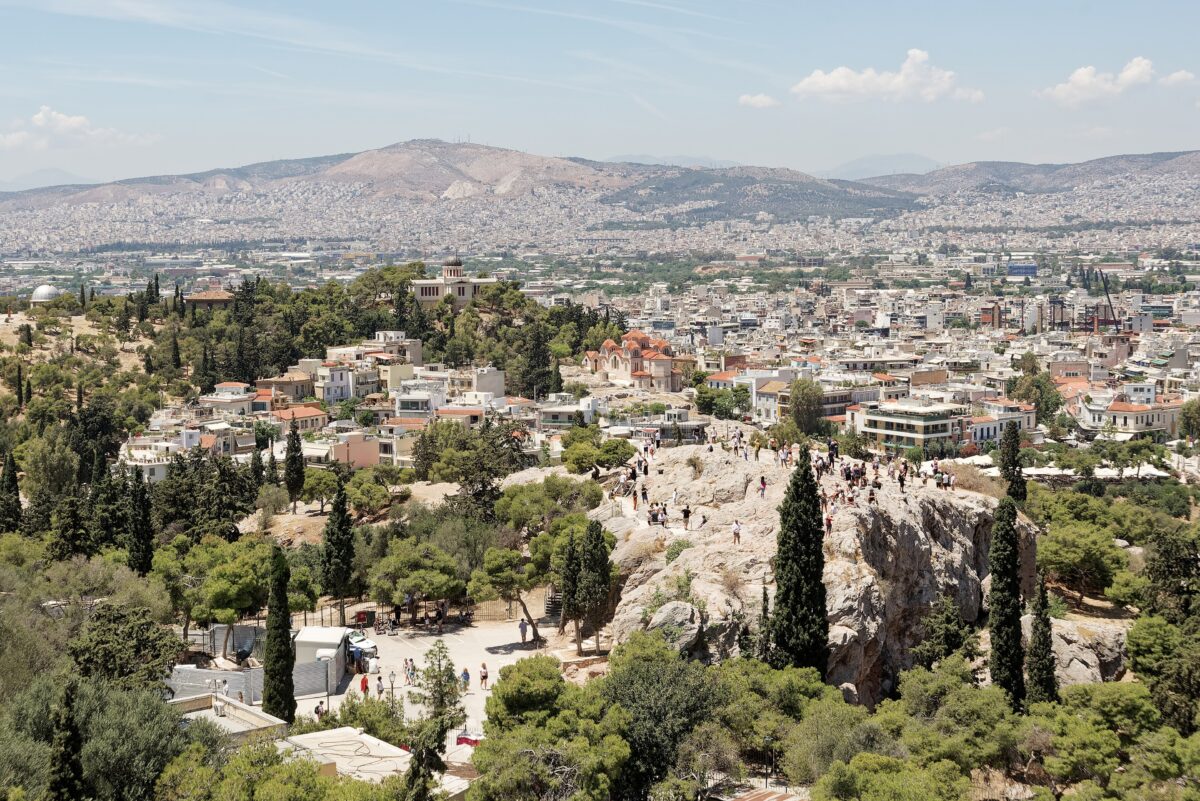
- Free experience: View the Acropolis and Parthenon from Areopagus, Philopappos Hill or public approaches around the rock. The plateau, temples and South Slope monuments themselves require site admission.
- Paid entry: €30 full, €15 reduced for eligible categories. The Acropolis Museum has a separate ticket. Buy through https://tickets.hh.gr/ and select an available entry slot.
- Hours: 8 AM-8 PM, April 1-August 31; 8 AM-7:30 PM, September 1-15; 8 AM-7 PM, September 16-30; 8 AM-6:30 PM, October 1-15; 8 AM-6 PM, October 16-31; 8 AM-5 PM, November 1-March 31. Last admission 20 minutes before closing. Archaeological-site rules do not govern the hours of the neighboring public viewpoints.
- Accessibility warning: the official operator announced an interruption of the summit accessibility lift on July 25, 2026. A later confirmation of normal operation was not established for this guide. Check with the guardhouse rather than assuming the lift is available.
- Complete history and paid route: https://spokenpast.com/guides/acropolis-athens-guide/
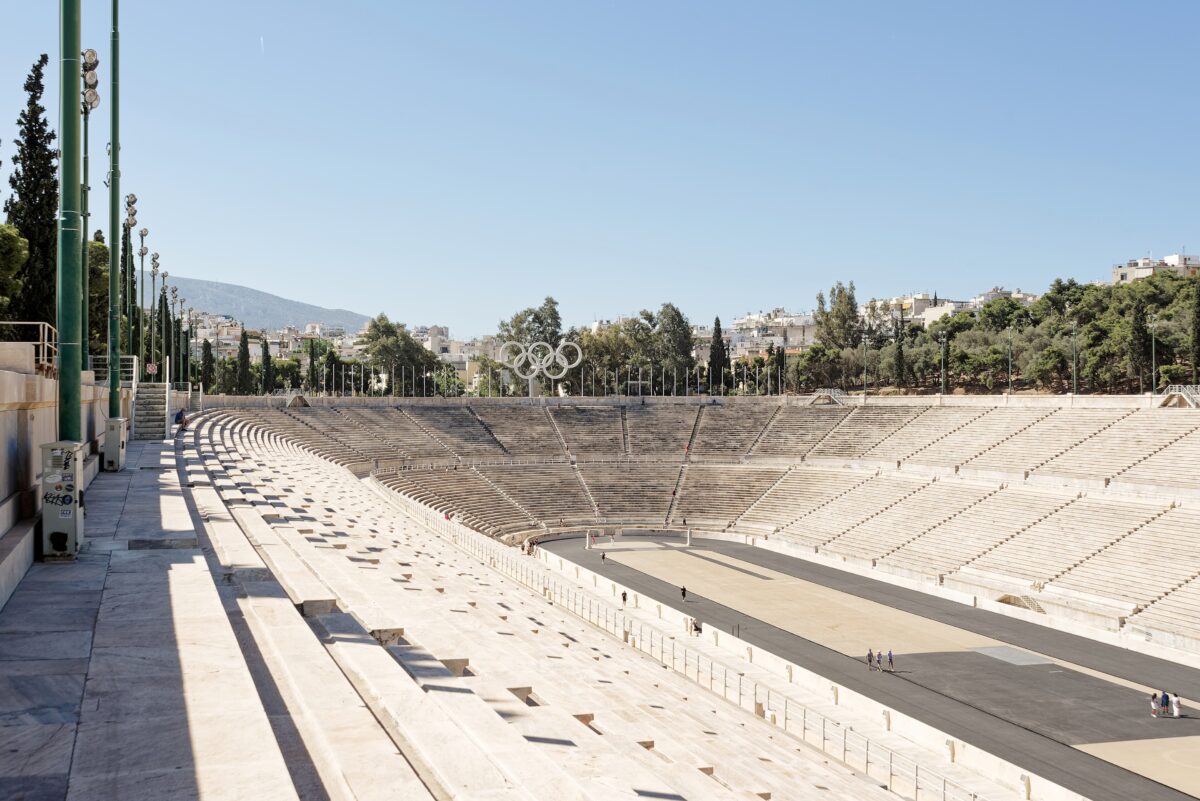
Panathenaic Stadium
- Free experience: View the horseshoe-shaped marble auditorium from the public forecourt outside the main entrance. The inner track, ancient passage and stadium museum require a ticket.
- Paid entry: €12 full and €6 reduced, with other exemptions determined by the stadium operator. Published visiting hours: March-October, 8 AM-7 PM; November-February, 8 AM-5 PM. The stadium may host events or operate temporary restricted routes.
- Conservation: Marble cleaning and associated improvements began August 10, 2026. The Hellenic Olympic Committee expected work to continue through 2026, so parts of the seating could be affected by maintenance even while the monument remains visible from outside. Official information: https://www.panathenaicstadium.gr/en/visit/
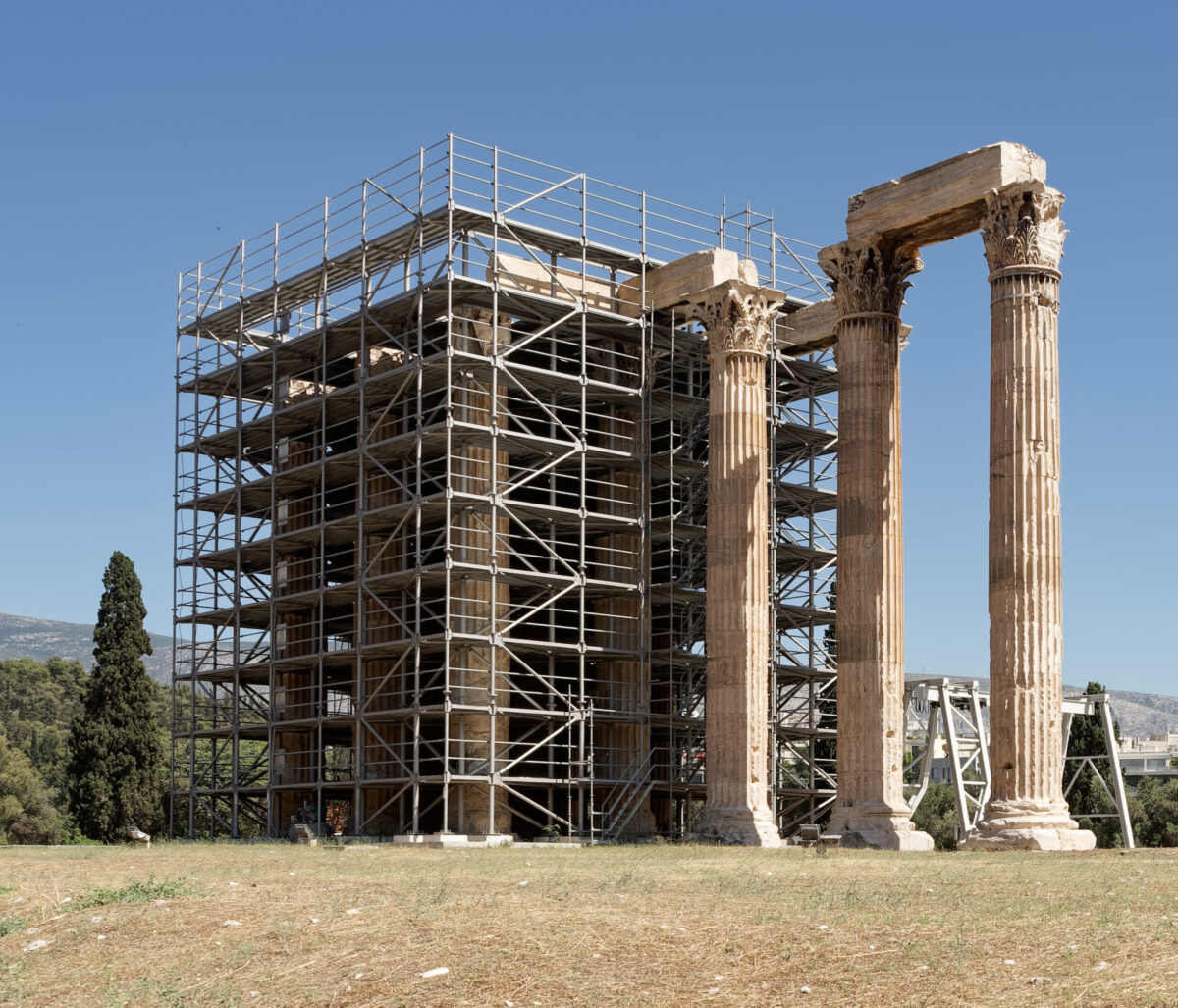
Temple of Olympian Zeus (Olympieion)
- Free experience: View the huge standing columns from the surrounding public pavements, particularly Vasilissis Olgas Avenue. The full archaeological enclosure is not freely accessible.
- Paid entry: €20 full, €10 reduced. Winter hours from November 1 to March 31 are 8 AM-3 PM, with last admission 20 minutes before closing. Hours and details: https://www.hh.gr/en/destinations/olympieion/.
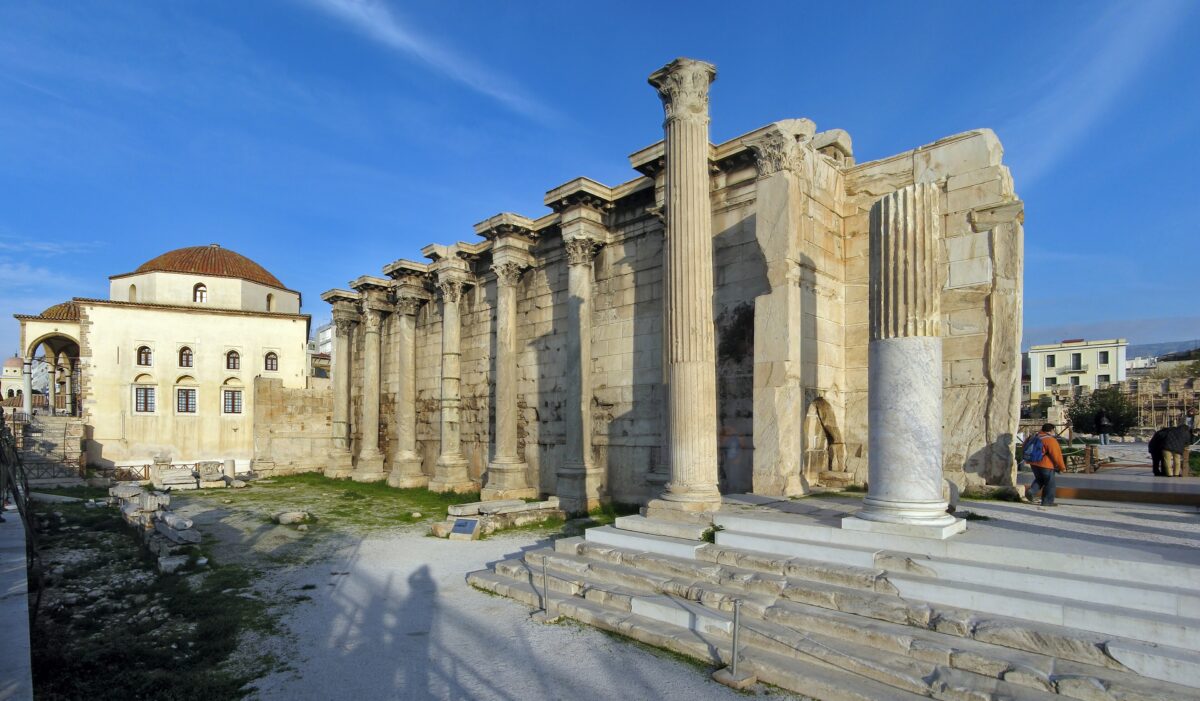
Hadrian's Library
- Free experience: See the western monumental entrance and Corinthian columns from Areos Street. The interior ruins and church remains belong to the paid archaeological enclosure.
- Paid entry: €10 full, €5 reduced. Winter hours from November 1 to March 31 are 8 AM-3 PM. Official information: https://www.hh.gr/en/destinations/hadrian-library/.
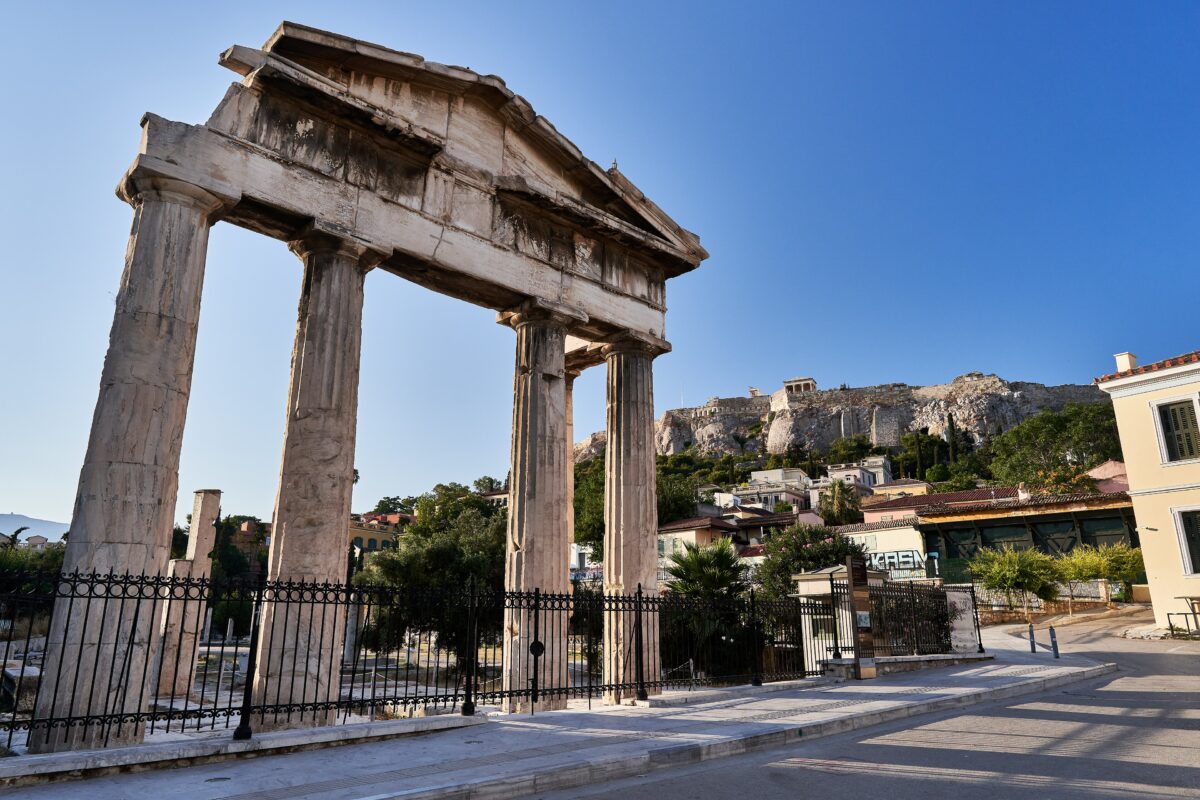
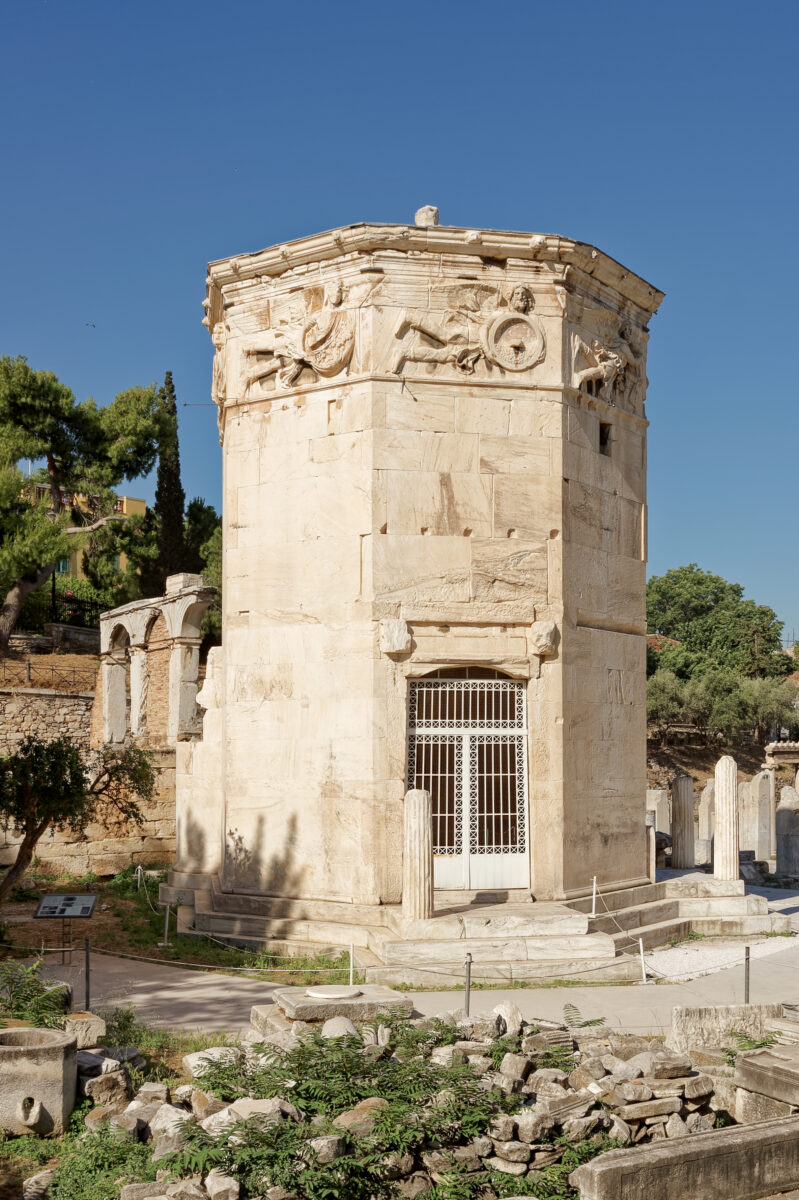
Roman Agora: Gate of Athena Archegetis and Tower of the Winds
- Free experience: See the four-column gateway from Epaminonda Street and the substantial octagonal tower from streets around the archaeological enclosure. Exact views can vary with construction barriers, vegetation and parked equipment.
- Paid entry: €10 full, €5 reduced. Winter hours from November 1 to March 31 are 8 AM-3 PM. Official information: https://www.hh.gr/en/destinations/roman-agora-athens/.
Ancient Agora of Athens
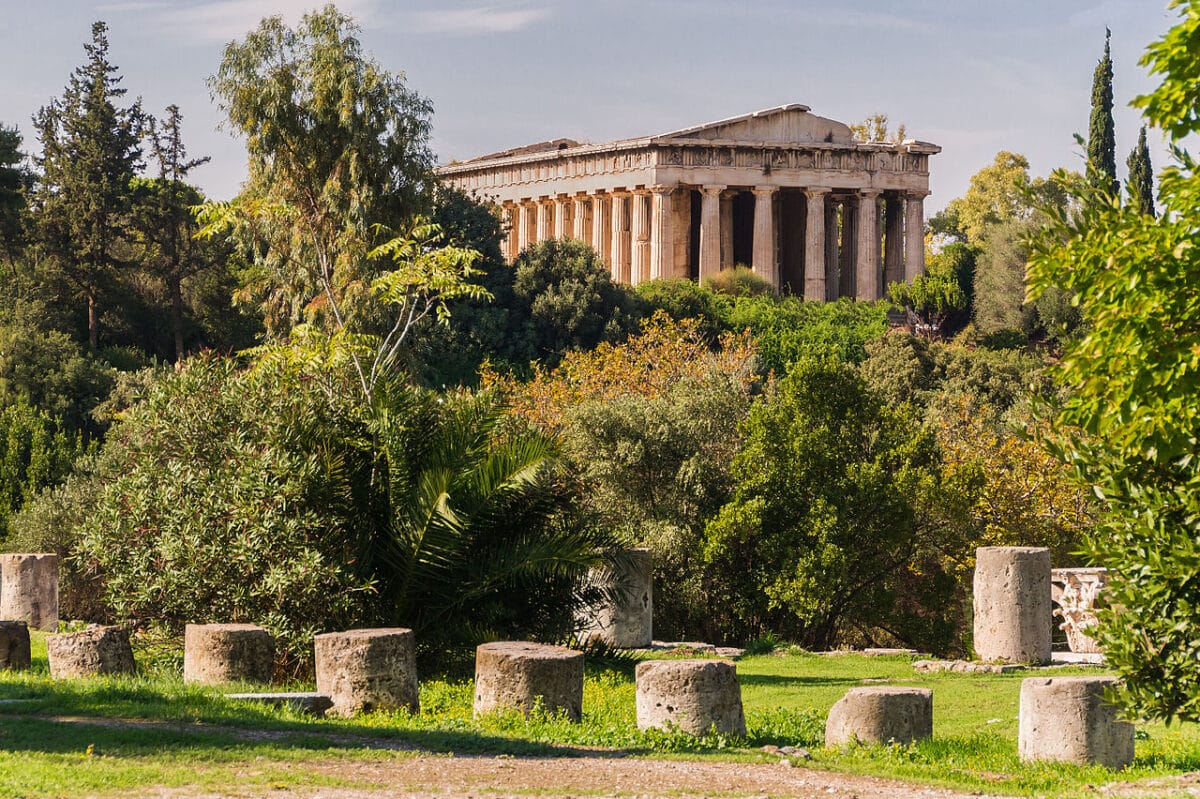
- Free experience: The archaeological park can be surveyed from adjoining streets and hills. You will not get the same close view of the Temple of Hephaestus, reconstructed Stoa of Attalos, government buildings and museum exhibits from outside as you would on a paid visit.
- Paid entry: €20 full, €10 reduced. The published winter timetable is 8 AM-5 PM, with last admission 20 minutes before closing. The Stoa of Attalos Museum normally opens later, at 10 AM, on Tuesdays. Since July 30, 2026 the official public entrance is at 24 Adrianou Street. Official information: https://www.hh.gr/en/destinations/ancient-agora-athens/.
For the full history, map and individual Agora monuments: https://spokenpast.com/guides/ancient-agora-athens-guide/
Kerameikos Archaeological Site
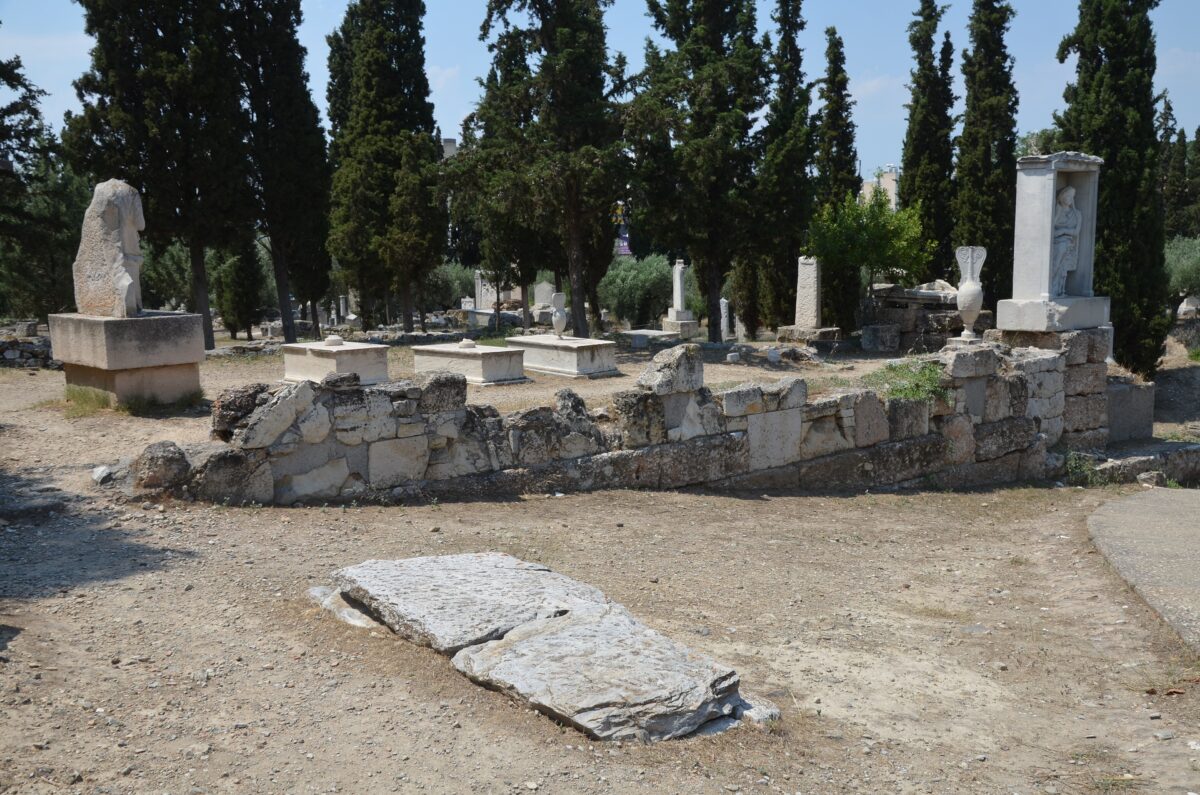
- Free experience: View the excavated gates, burial area and ruined structures below the public street level, especially from Ermou Street. The site is a broad archaeological excavation, not a standing monumental gateway visible in its original height.
- Paid entry: €10 full, €5 reduced, including the Kerameikos Museum. Official entrance: 148 Ermou Street. Winter hours from November 1 to March 31 are 8 AM-3 PM, with last admission 20 minutes before closing. Official information: https://www.hh.gr/en/destinations/kerameikos/.
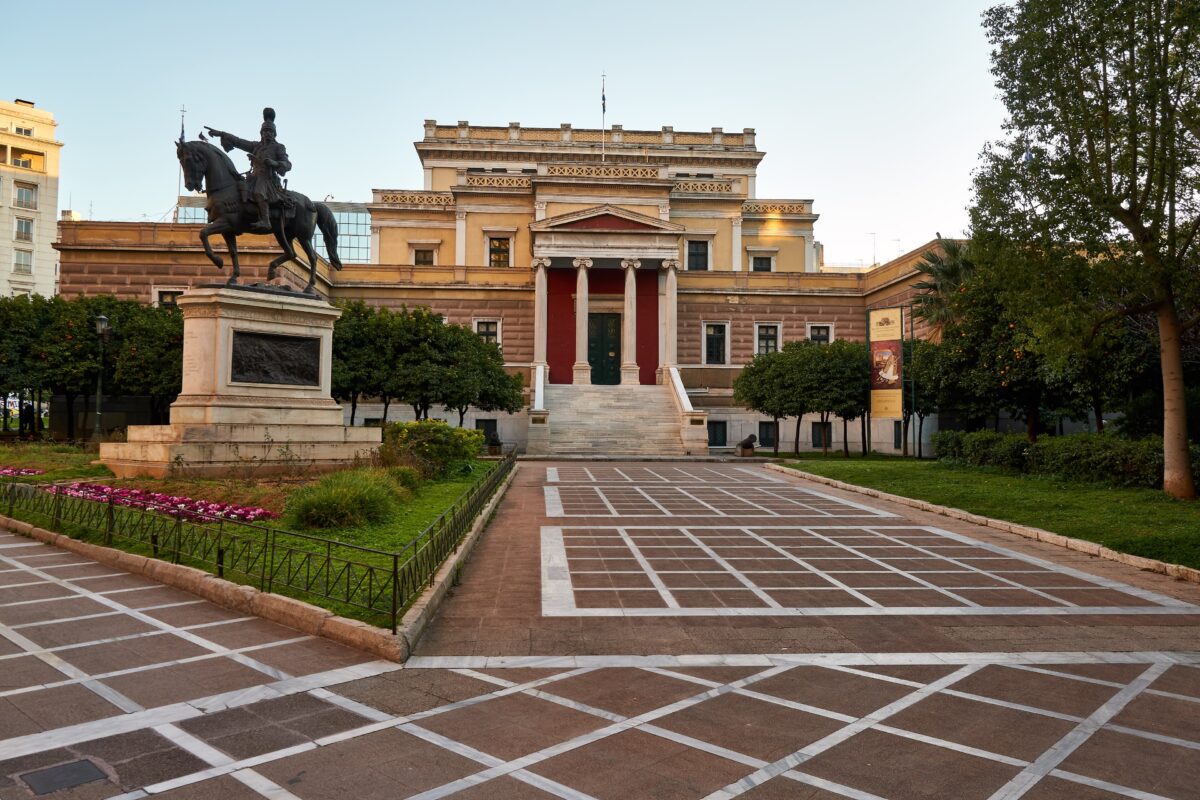
National Historical Museum (Old Parliament)
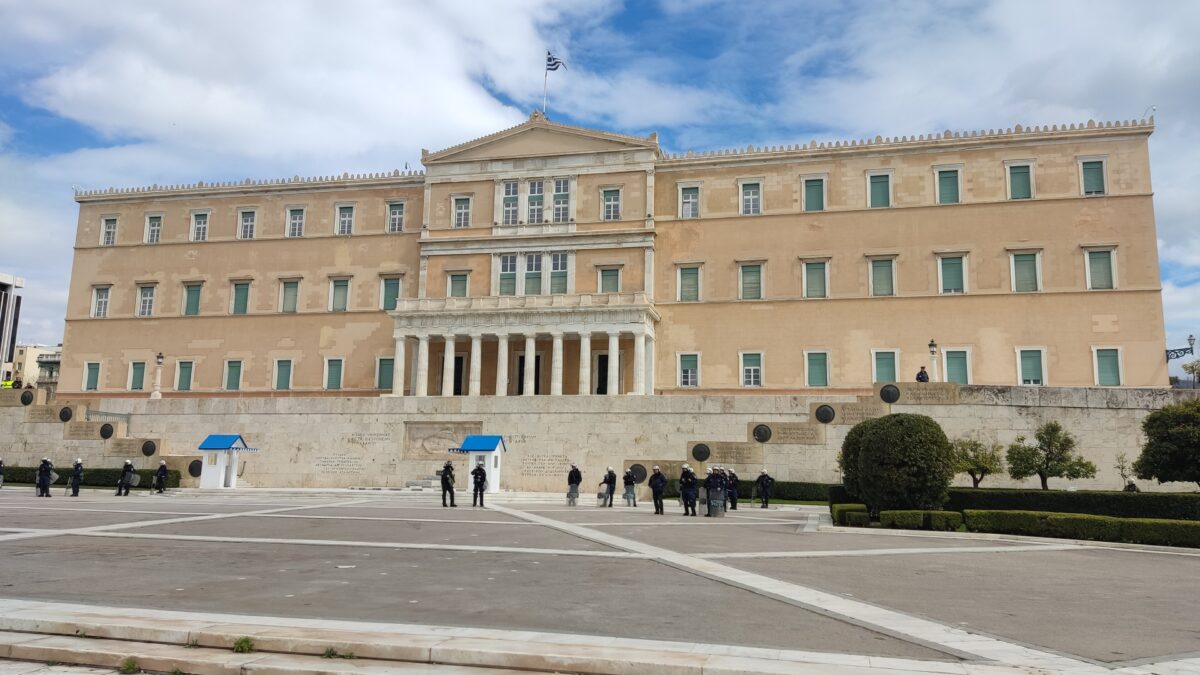
- Free experience: See the neoclassical building, parliamentary facade and large equestrian statue of Theodoros Kolokotronis in the square outside.
- Paid entry: The museum publishes €10 for the permanent exhibition and €10 for temporary exhibitions, or a €15 combined ticket; reduced categories differ. From September through June it opens Tuesday-Friday 9 AM-4 PM and Saturday-Sunday 10 AM-4 PM, with last admission at 3:30 PM. Check https://nhmuseum.gr/en/about-us/information-for-visitors.
Free public spaces and churches
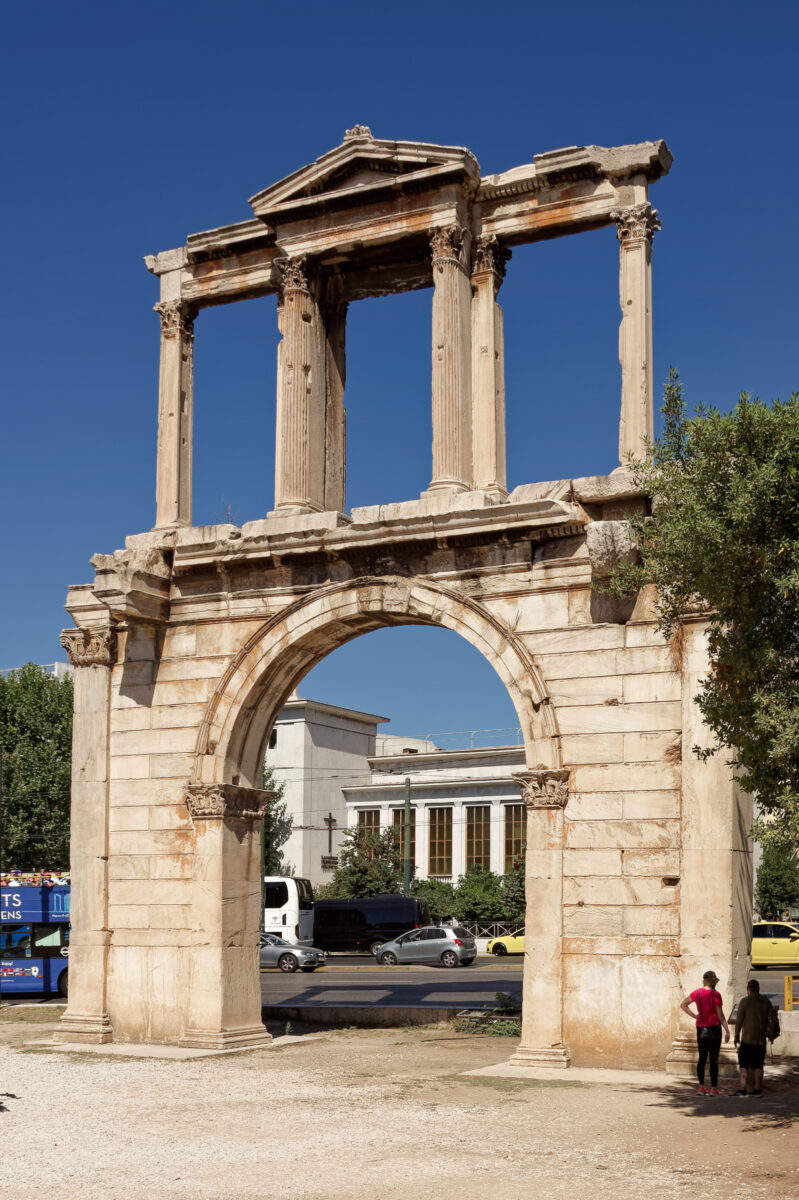
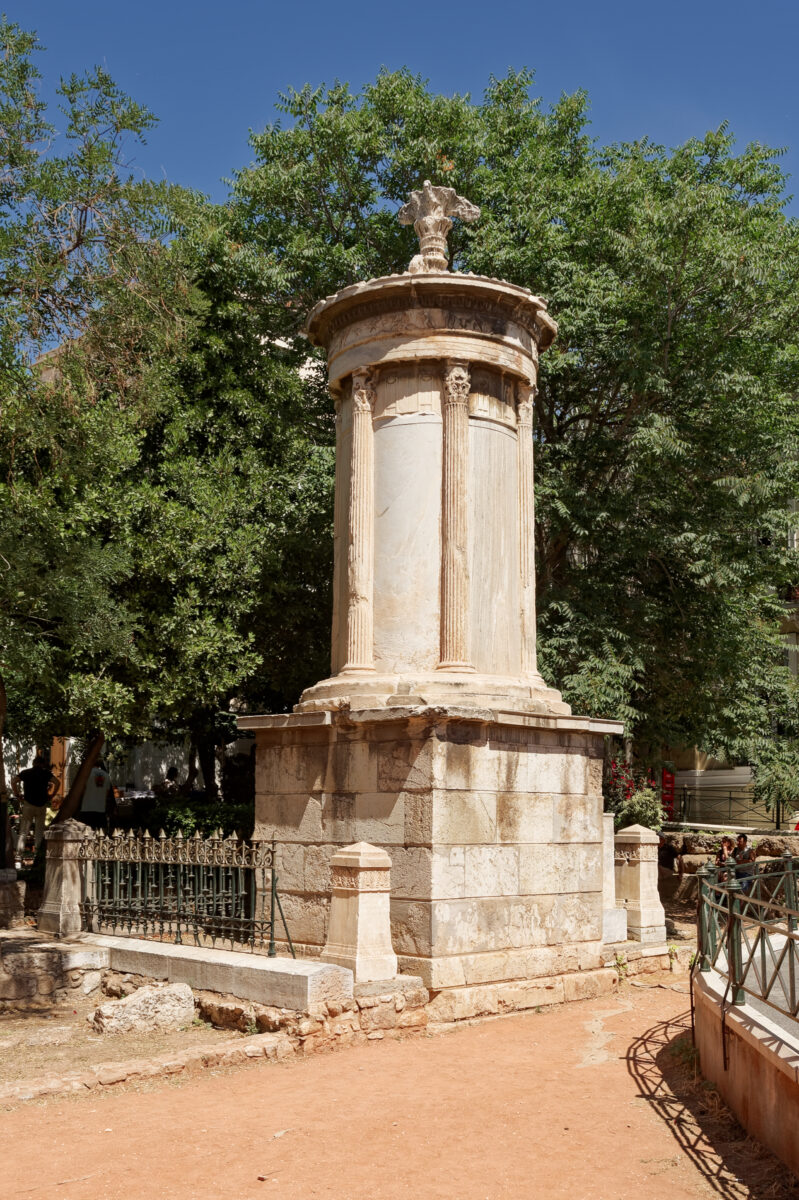
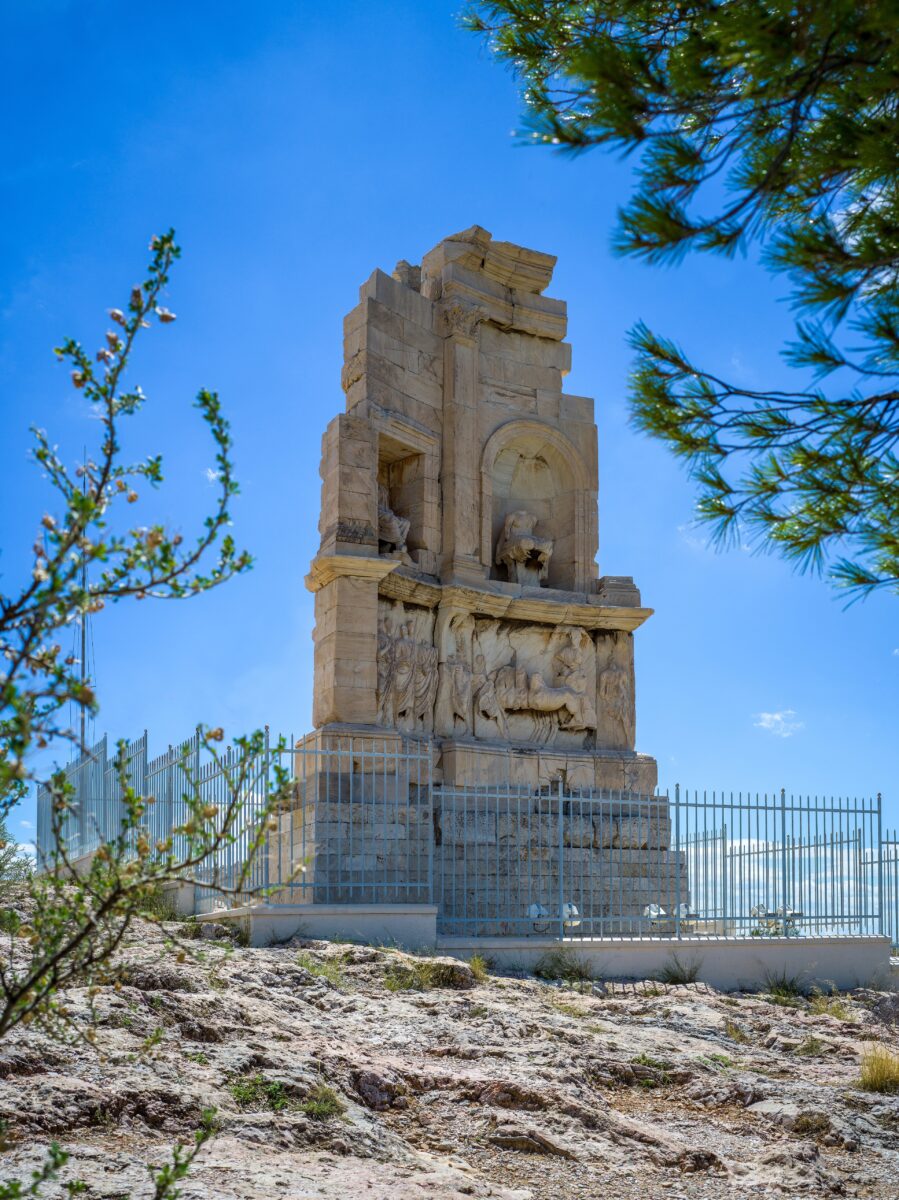
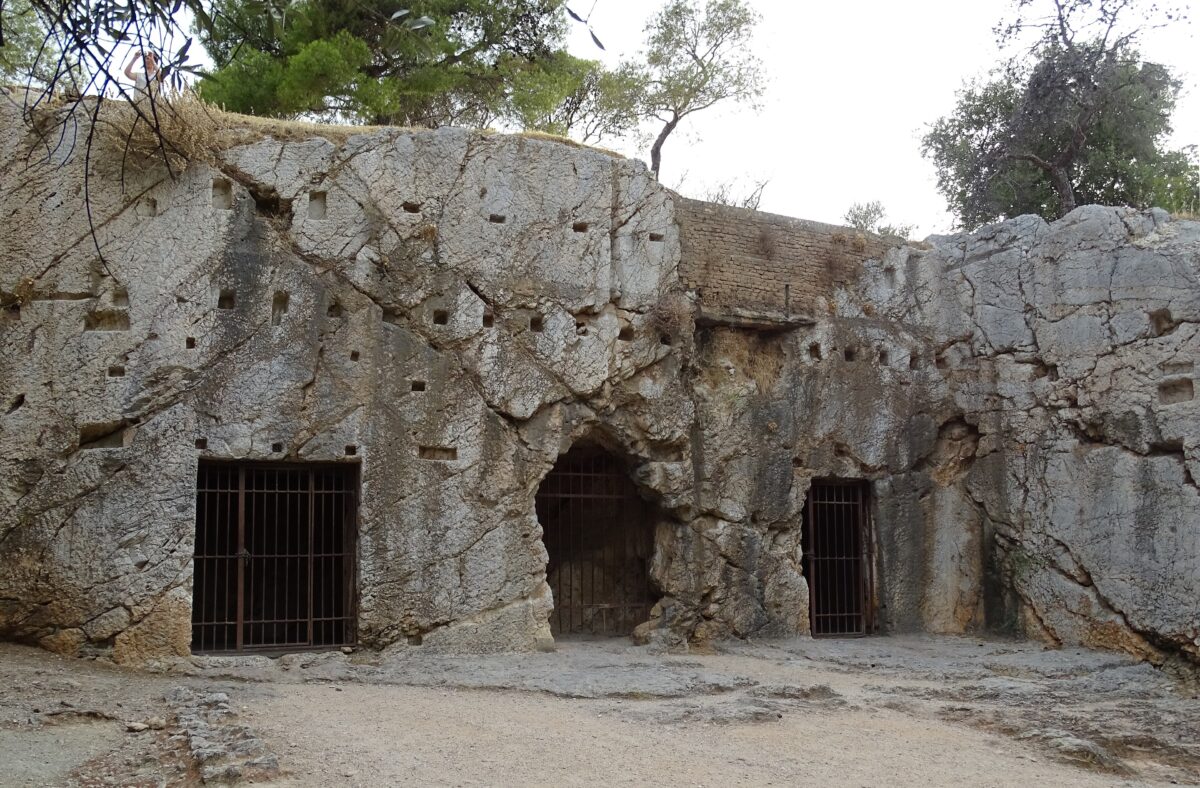
The Pnyx, Areopagus, western-hill paths, Philopappos Monument, Choragic Monument of Lysicrates, Arch of Hadrian, church exteriors and the public streets around Parliament require no normal sightseeing ticket. Hill paths can be gated or temporarily restricted for fire risk, security or conservation, so do not assume the entire park is accessible at any hour. The so-called Prison of Socrates is protected by metal grilles and is viewed from outside.
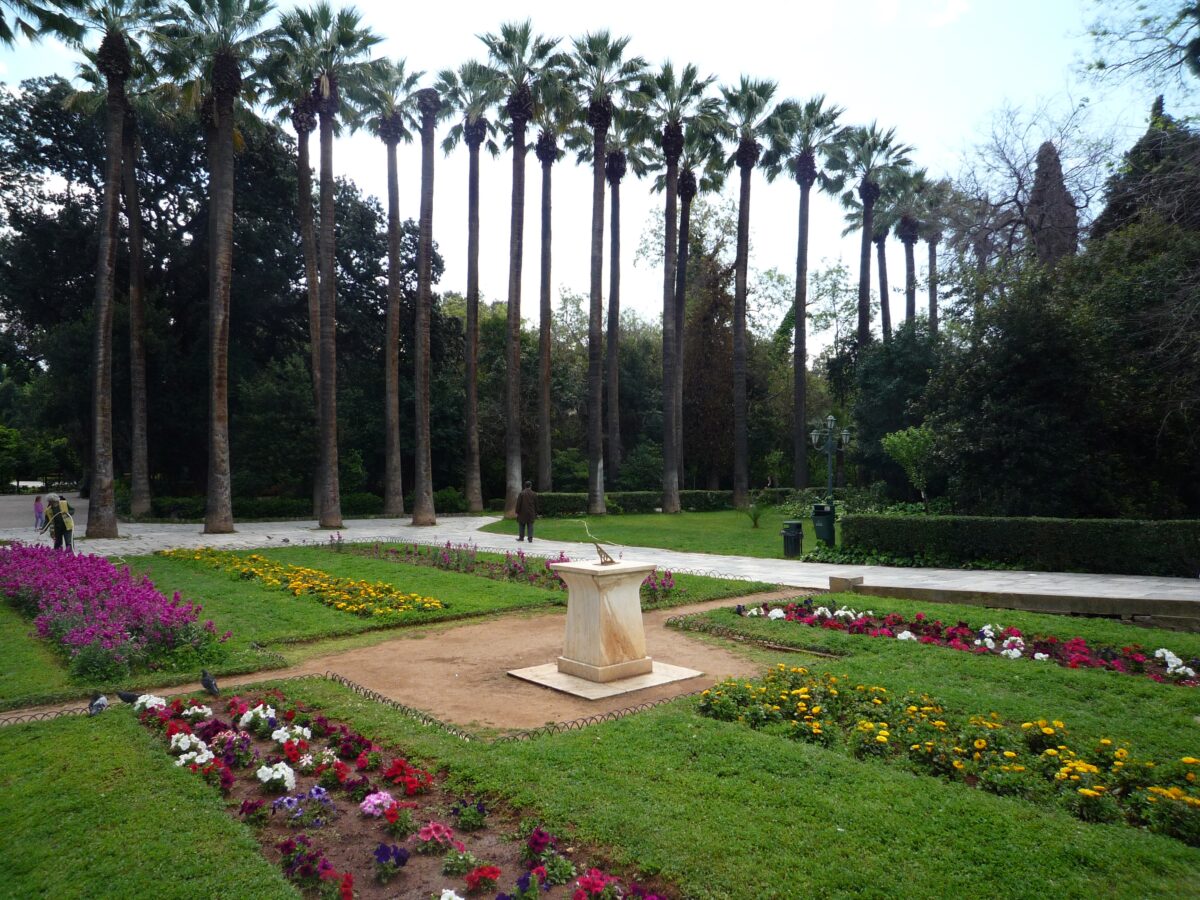
The National Garden is free and is officially open from sunrise to sunset. Some entrances are more accessible than others. Its principal access points include the Amalias Avenue side near Syntagma. Information: https://green-athens.gr/en/national-garden/.
The Presidential Guard changes at the Tomb of the Unknown Soldier every hour, with a larger ceremony at 11 AM on Sundays. Special events may alter access. Official information: https://www.presidency.gr/en/organisation-operation/presidential-guard/.
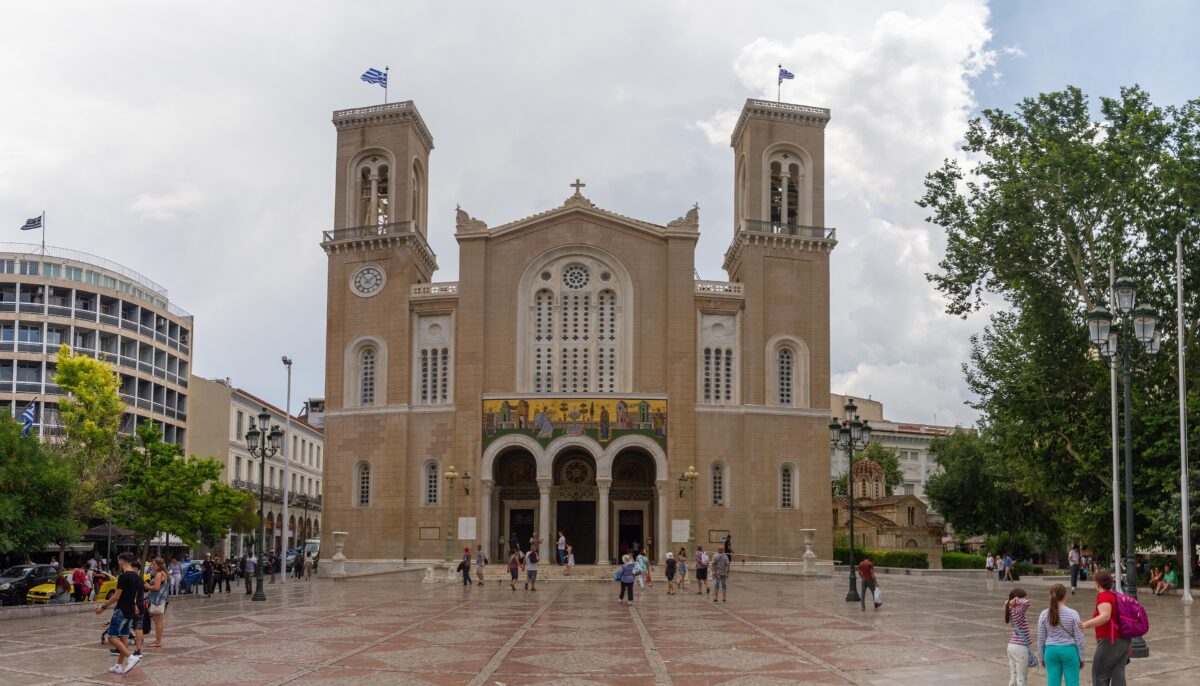
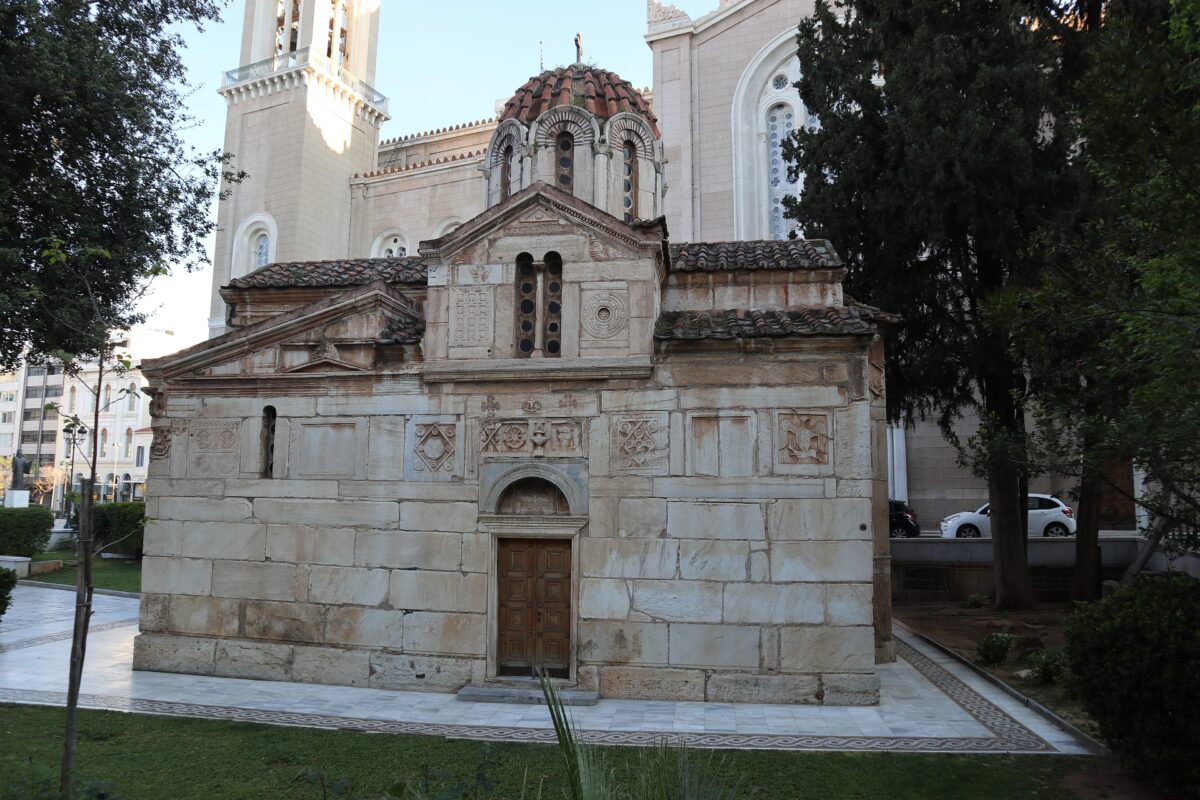
The churches remain places of worship. Visiting inside may depend on services, religious events and staff arrangements. The free exterior experience is available from public streets even when the doors are closed. Modest clothing is advisable if entering.
Free admission dates and concessions
For the participating Greek state-managed archaeological sites, the published free-entry dates are March 6, April 18, May 18, the last weekend of September, October 28 and the first and third Sundays of each month from November 1 through March 31. These arrangements do not automatically apply to the privately administered Panathenaic Stadium or the National Historical Museum. In winter 2026-27 the first two free Sundays are November 1 and 15, 2026. Eligibility exemptions also apply on ordinary days, including some age, nationality and disability categories. Check the Ministry's current rules and carry the required proof: https://www.culture.gov.gr/en/service/SitePages/view.aspx?iID=2695.
Getting around Athens
The central sights can mostly be explored on foot. Monastiraki serves Metro Lines 1 and 3; Syntagma serves Lines 2 and 3; Akropoli is on Line 2; Thissio is on Line 1. For the stadium, a walk from Syntagma through the National Garden is convenient for many visitors. Kerameikos is west of the Agora and is an extra stretch, not an attraction beside Syntagma.
Athens' public transport operator lists the standard 90-minute urban ticket as €1.20 and a 24-hour urban ticket as €4.10. Airport services have separate charges, including €9 for a Metro journey to the airport and €5.50 for the airport express bus. Contactless Tap2Ride accepts supported bank cards, but the standard city ticket does not include the airport Metro surcharge. Check fares and service announcements at https://www.oasa.gr/en/.
Accessibility, weather and safety
The main urban streets have a mixture of pedestrian surfaces, paving stones, steps and busy crossings. The route onto the western hills requires climbing uneven rock and paths that become slippery in rain. The Areopagus has smooth, polished exposed stone. The path to Philopappos Monument gains height and includes irregular sections. These hill stops are not interchangeable with level, step-free urban squares.
During summer, the Acropolis and many open squares have little shade. Bring drinking water, protection against the sun and shoes with good traction. In severe heat, Greek authorities may close archaeological sites at short notice. The National Garden provides more shade, but its gate schedule means it cannot be used as a guaranteed evening through-route.
Personal photography from public streets is normally possible, but drones, filming crews, tripods and commercial work at protected monuments can require permissions. Follow barriers, respect religious services, and do not climb onto fragile ruins or enter fenced excavation areas. Keep valuables secure in crowded transport and tourist streets. Emergency number: 112.
Useful official links
State archaeological monuments, prices and opening hours: https://www.hh.gr/en/
Official state archaeological ticketing: https://tickets.hh.gr/
Panathenaic Stadium, access and tickets: https://www.panathenaicstadium.gr/en/visit/
National Historical Museum: https://nhmuseum.gr/en/about-us/information-for-visitors
National Garden access: https://green-athens.gr/en/national-garden/
Presidential Guard: https://www.presidency.gr/en/organisation-operation/presidential-guard/
Athens public transport: https://www.oasa.gr/en/
Western Hills research and excavation history: https://athenswesternhills.org/en/timeline/
American School of Classical Studies, Agora excavation reports: https://www.ascsa.edu.gr/excavations/athenian-agora
Visitor information checked November 1, 2026. Ticket prices, monument access, transport and temporary conservation conditions may change.

Discussion
Comments